Kojima on Physint drama and PlayStation ties
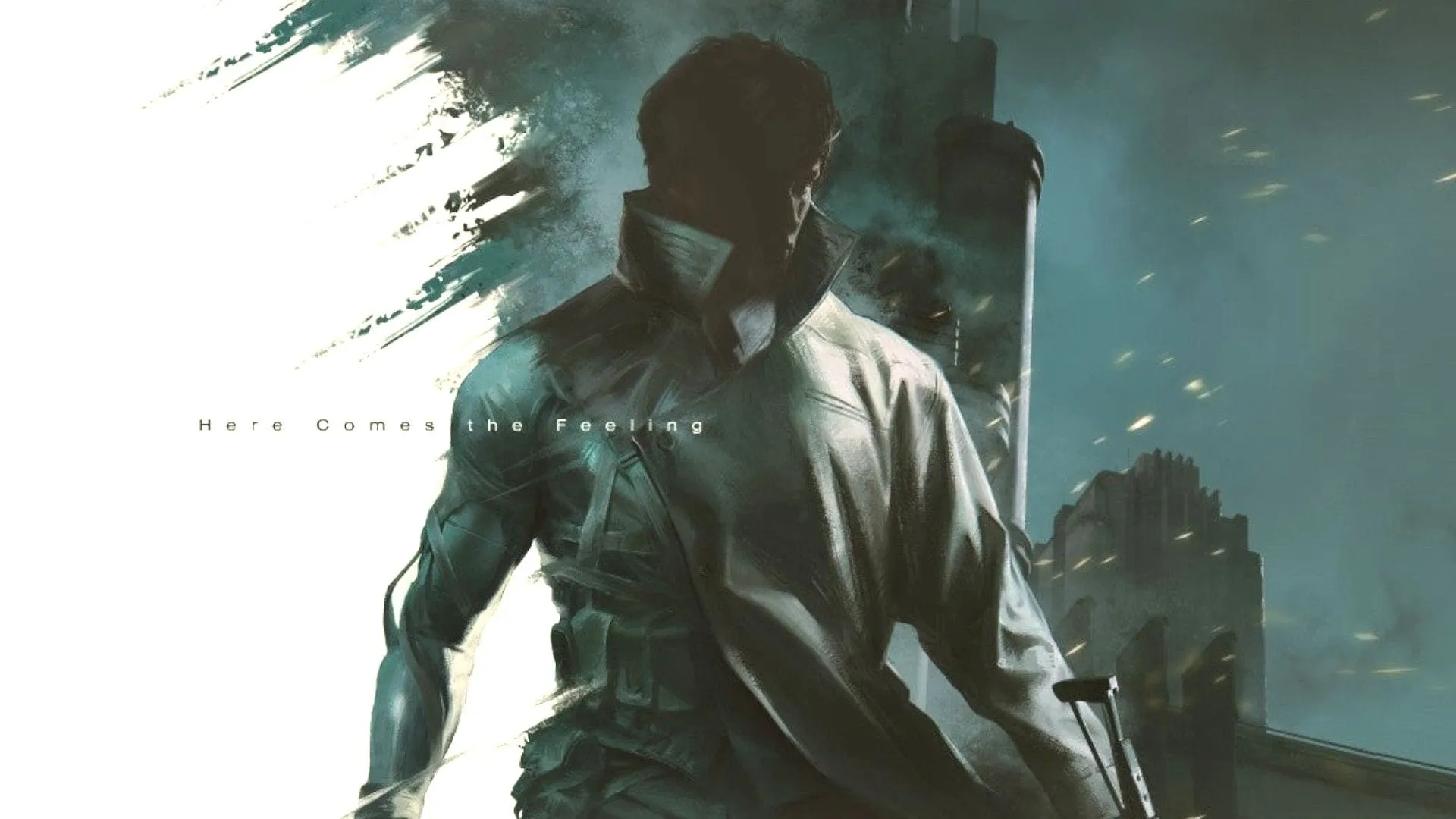
The high-stakes world of video game development is often filled with dramatic shifts, but when those shifts involve titans like Hideo Kojima and major publishers, the resulting headlines can feel like a corporate thriller. Recently, whispers circulated that Sony had unexpectedly dropped its upcoming action game Physint due to budget concerns and missed deadlines, leading to a seismic shift in publishing strategy.
This perceived cancellation immediately triggered a major pivot. Reports emerged that the title, which was set to be a significant flagship, was quickly picked up by Xbox to continue development. This move suggested a complex negotiation took place behind the scenes, potentially involving friction over development timelines and creative control that are often inherent in massive cross-platform projects.
The drama wasn’t just about a single title; it touched on the relationship between the creative force behind the game and the corporate entities backing it. Hideo Kojima Productions, known for pushing the boundaries of interactive storytelling, faced scrutiny regarding the studio’s flagship project. This situation was compounded by earlier discussions suggesting tension over Kojima’s desire to release the game on PC, mirroring the dynamic seen with the Death Stranding series.
In response to the internet speculation, Kojima Productions issued a statement to address the rumors. While they declined to comment on unsubstantiated online claims, the message was clear: they reassured fans and colleagues that the studio remained in a healthy, profitable state, and development for Physint was actively moving forward with Xbox, while the relationship with PlayStation remained strong.
However, the narrative behind the cancellation was even more nuanced than a simple dismissal. Reports indicated that the decision was not entirely sudden. Jason Schreier, who reported on the situation, explained that the cancellation followed several months of intense negotiations between Kojima Productions and Sony. Schreier noted that his findings were drawn from conversations with multiple stakeholders across Sony, Xbox, and Kojima Productions, suggesting the change was a strategic outcome rather than a sudden whim.
Ultimately, the story of Physint’s journey underscores a universal truth in the gaming industry: massive projects are often complex negotiations between artistic vision and commercial reality. While the rumors may have caused alarm, the underlying reality is that development continues, proving that even when publishers change course, the creative momentum often finds a new, exciting path forward.
Buy on Amazon
Credit