Kojima reviews Resident Evil’s visceral feeling
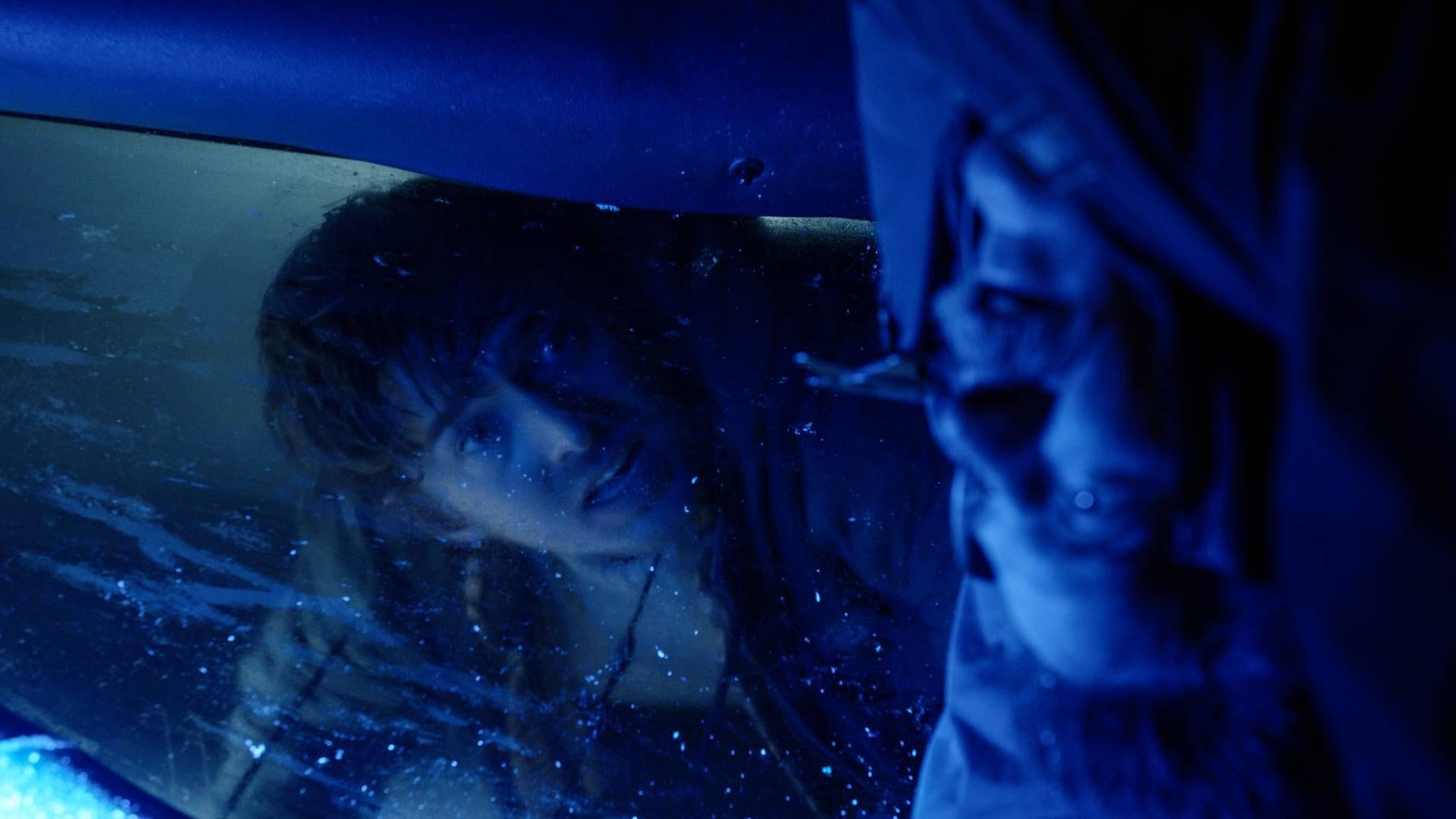
When a visionary like Hideo Kojima steps into the world of cinema, his perspective is always unique. Recently, he offered his take on Zach Cregger’s adaptation of the horror franchise, Resident Evil. While Kojima might not have been initially immersed in the spectacle, his observations reveal a fascinating deep dive into the intersection of video game lore and cinematic horror.
Kojima framed the film not as a straightforward adaptation, but as a story set on the periphery of the established canon. This shift immediately redefined the movie’s focus: instead of focusing solely on the monsters, the film turned its lens toward the people driving the chaos—the players and remote control operators of the game. In this unique interpretation, the film became less about the narrative of the game and more about the experience of playing it.
When discussing the film’s atmosphere, Kojima noted an immediate immersion into classic horror aesthetics. He pointed out that the film employed a soundtrack reminiscent of films like The Thing, layering classical horror staging, intense scenarios, and an unrelenting barrage of jump scares from beginning to end. This attention to traditional horror techniques provided a familiar yet exhilarating cinematic experience.
The real magic, however, lay in Kojima’s comparison of the cinematic experience back to his own gaming memories. He drew a striking parallel between the movie’s themes and his early experiences with the franchise, specifically recalling the feeling of playing the first Biohazard game on the PlayStation in 1996. He humorously reflected on the frustration of repeated game over screens and the relentless shouting of “F\u2026!”, linking that nostalgic gameplay loop directly to the cinematic suspense.
This comparison underscored the film’s core message: it wasn’t just a movie about zombies and survival; it was a movie about the psychological toll and the sheer, visceral thrill of being a player trapped in a terrifying scenario. It was an homage to the player’s journey, rather than a mere retelling of the plot.
Beyond the cinematic conversation, Kojima also shared some lighter tangents, indicating that his interests span the entire spectrum of pop culture. He expressed pleasure at obtaining merchandise for other projects, including the pamphlet for Tom Cruise’s new film, Digger. This glimpse into his wider enthusiasm shows that for a master of narrative, the lines between gaming, filmmaking, and celebrity are seamlessly blended.
Ultimately, Kojima’s perspective elevates the Resident Evil movie. By focusing on the players and wrapping the experience in potent, familiar horror elements, it transforms a franchise adaptation into a commentary on the immersive, often brutal, relationship between the audience and the digital world.
Buy on Amazon
Credit
