Kojima warns of frightening digital future after PS ends disc production
The world of digital entertainment is rapidly evolving, pushing physical media into the rearview mirror. Just as Sony announced it would cease production of physical PlayStation discs in January 2028, industry giants are grappling with a future where ownership shifts from tangible objects to ephemeral data streams. This transition has sparked deep concerns among creators and long-time fans about what truly happens when we trade physical possession for access.
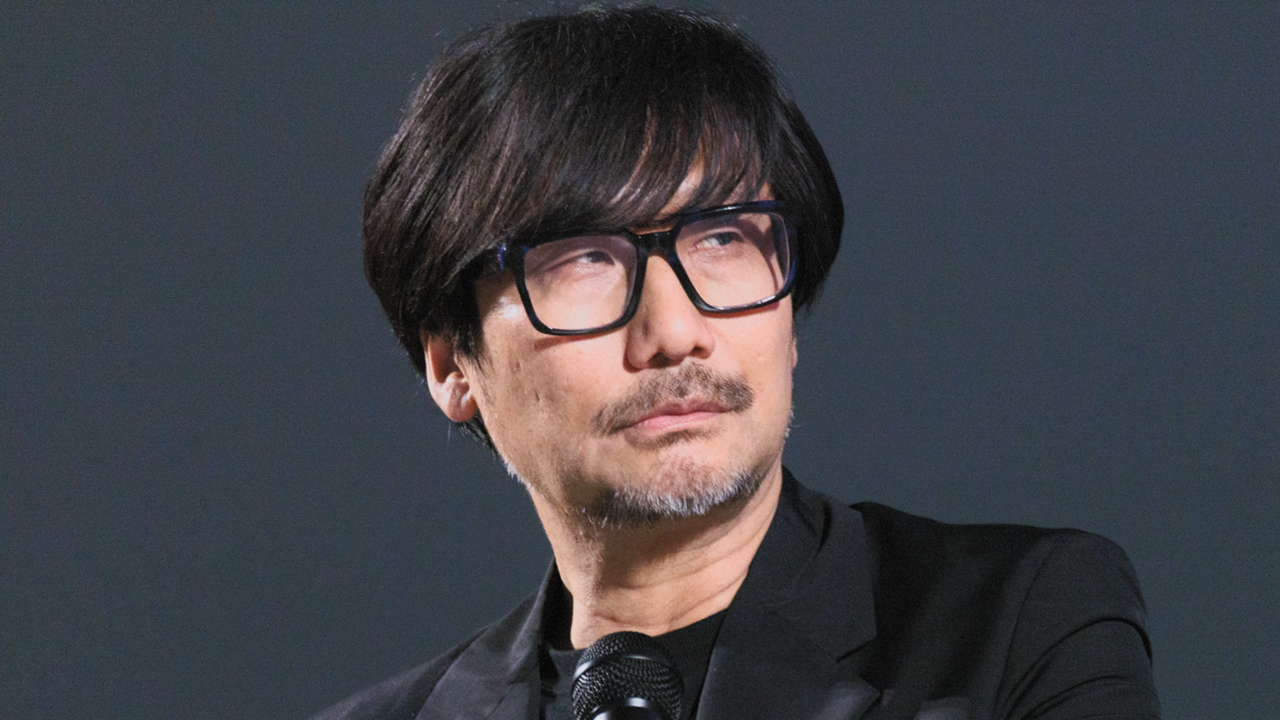
Hideo Kojima, the celebrated creator of franchises like Metal Gear Solid and Death Stranding, has weighed in on this shift, offering a perspective that is less about technology and more about the fundamental human desire for possession. Speaking at the Il Cinema film festival in Rome, Kojima expressed a sense of sadness regarding the move away from physical media, noting his personal enjoyment of collecting Blu-rays and CDs.
His feelings are amplified by a prior warning he issued: that if the trend toward an all-digital future continues unchecked, individuals risk losing free access to the content they love. He previously cautioned that without tangible ownership, we might lose the ability to freely access movies, books, and music.
The philosophical divide becomes stark when examining how games and cinema operate in the digital realm. While video games are largely downloaded directly to the hardware, meaning the data remains on your own machine, the shift toward streaming fundamentally changes the dynamic. For services like Netflix or Amazon, you don’t download the data; you access it through a subscription. This means you don’t actually possess the content—you merely have the right to turn the tap and let the data flow.
This concept of separated ownership is hitting home across the entertainment landscape. Just weeks ago, Rockstar Games announced that the physical version of GTA 6 would come in a box with no disc, available only as a download code. This trend is mirrored by Sony’s decision to end physical disc production for PlayStation games.
The implications are stark, particularly regarding media libraries. Sony has also indicated plans to delete access to a library of more than 550 digital titles for PlayStation users. While corporations push for an all-digital future, the reaction from consumers is growing, with many questioning whether the convenience of streaming truly justifies relinquishing physical ownership.
As major corporations focus on consoles like the PS6 and Project Helix, the focus is laser-sharp on gaming performance. Yet, the broader concern remains: what happens when the underlying distribution systems change? Kojima suggests that if political and societal shifts lead to changes in how data is distributed, the content itself could vanish, leaving users unable to access their favorite movies and games.
The future of media ownership isn’t just about discs and downloads; it’s about control. For those who cherish physical artifacts, the digital shift presents a profound challenge to the notion of personal possession. The question remains whether accessing content via subscription truly fulfills the promise of owning a piece of culture.
Buy on Amazon
Credit