Kojima’s PS6 Tech Dilemma Physint and Decima Engine
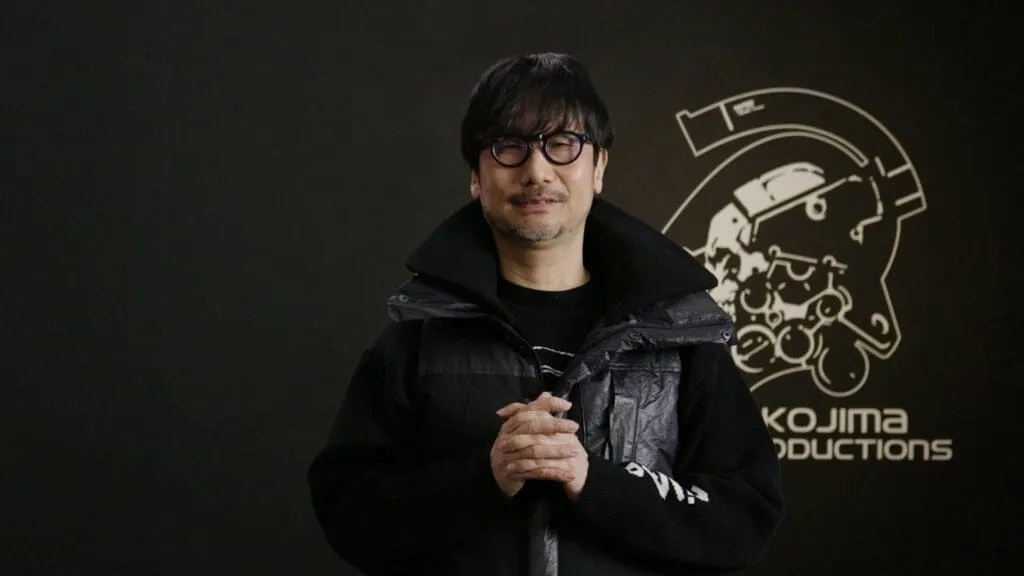
In the high-stakes world of gaming development, where creative visions often collide with corporate strategy, the recent maneuvers involving Hideo Kojima, Sony, and the wider gaming press have provided a fascinating glimpse into the delicate dance of negotiation.
Following the recent curtailing of the Tokyo Game Show due to weather concerns, an opportune moment arose for key figures to share insights. Hideo Kojima leveraged this timing, releasing timely interviews simultaneously with IGN and The Washington Post, offering a direct perspective on the tumultuous relationship between Kojima Productions and Sony.
These simultaneous releases were not just casual interviews; they were a coordinated effort to address ongoing speculation surrounding the development of Physint technology and its future role in PlayStation projects. The timing suggests that these discussions had been simmering for quite some time, likely spanning months of intense back-and-forth between the creative team and the corporation.
The underlying tension stems from reports suggesting shifts in focus, particularly concerning exclusivity and development budgets. Kojima Productions also issued a statement, subtly encouraging fans to approach recent coverage—including reports from journalists like Jason Schreier—with a healthy dose of scepticism.
This move turned the spotlight back onto the narrative, suggesting that the official statements now carry a heavier weight. It emphasizes that behind the glossy headlines and official announcements lies a complex web of internal negotiations and strategic decisions regarding major intellectual property.
The story highlights a recurring theme in the industry: the powerful intersection of artistic vision and commercial reality. When giants like Kojima and Sony are involved, the process is rarely simple. Instead, it is a careful balancing act where artistic ambition must align with commercial imperatives, often resulting in stories far more complex than what is immediately broadcast.
Buy on Amazon
Credit