KOTOR boss calls BioWare closure “sad”
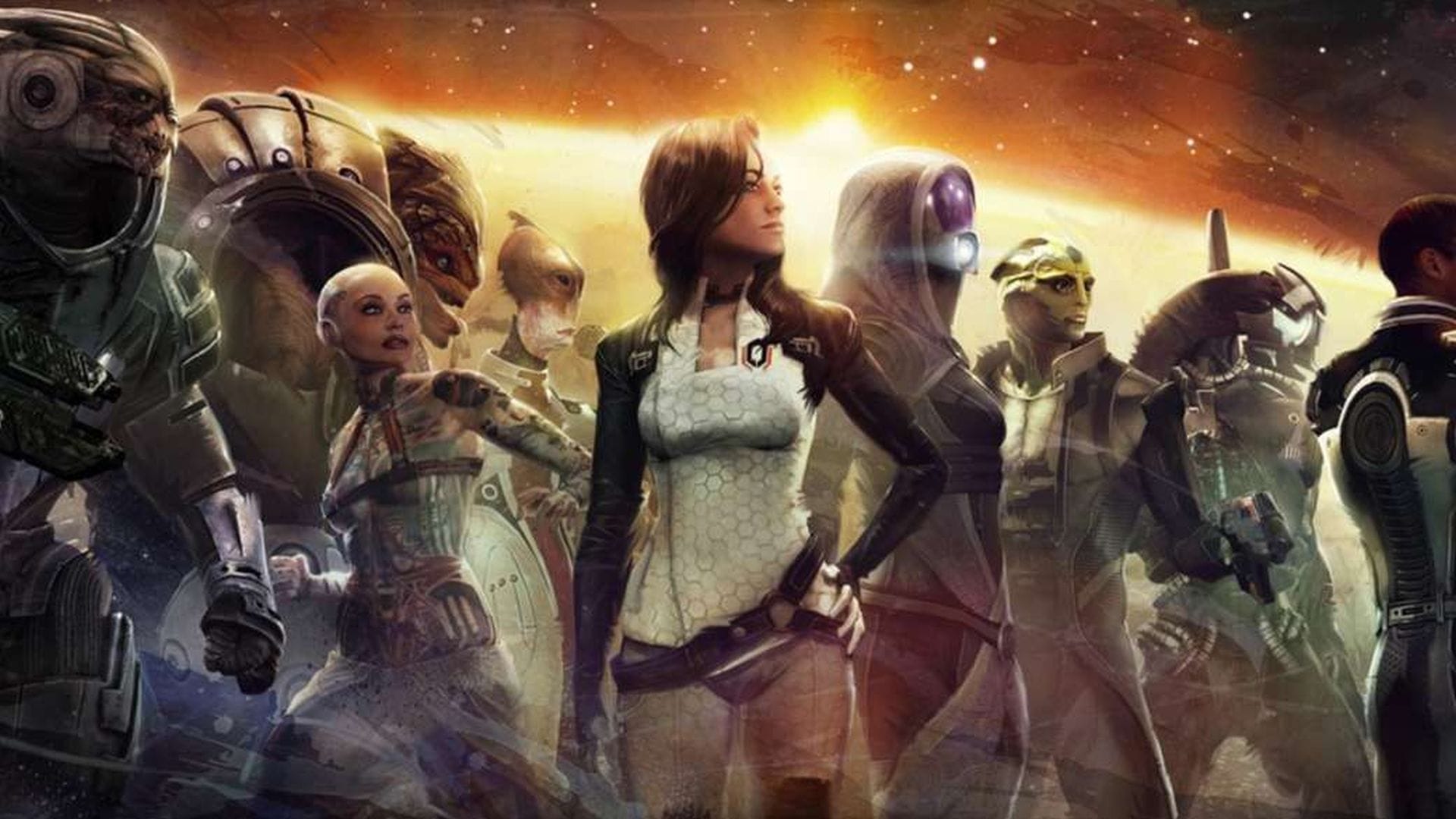
The gaming world is currently navigating a turbulent patch of corporate restructuring, with massive studio closures and unexpected acquisitions shaking the foundations of the industry. At the center of this dramatic shift is the fate of BioWare, a studio once synonymous with some of the most beloved science fiction franchises in gaming.
BioWare recently confirmed the studio’s closure and the cancellation of development for the next Mass Effect title, signaling the end of an era for one of gaming’s most influential narrative franchises. This news is compounded by the fact that its parent company, Electronic Arts, was acquired by Saudi Arabia’s Private Investment Fund, Jared Kushner’s Affinity Partners, and Silver Lake. This staggering move comes amidst predictions of significant corporate shifts, including widespread layoffs expected across the industry.
The transition has already impacted the workforce directly. Just over two months after the acquisition, BioWare was eliminated as part of 400 job cuts across various EA studios, including at the development house for Skate.
For those who built worlds and characters within BioWare, the news delivered a profound sense of loss. Casey Hudson, who directed the original Mass Effect trilogy, took to social media to share his reaction, acknowledging the sadness surrounding the closures.
Hudson reflected on the legacy, stating that while it is sad news for the employees and fans who were eagerly anticipating the next adventure, the legacy of BioWare will endure. He emphasized that the spirit of creating unforgettable stories, worlds, and characters lives on through those who were part of the team and continue to pursue game development through passion.
Hudson’s journey within the studio is notable, tracing back to his early work on MDK 2 before leading the development of Star Wars: Knights of the Old Republic and the Mass Effect trilogy. He later rejoined BioWare in 2017 as general manager, overseeing titles like Anthem and the Mass Effect Legendary Edition.
The current landscape reflects broader industry trends where large corporations are prioritizing debt reduction and massive cost-cutting. EA has taken on significant debt, and the company’s leadership has focused on fiscal responsibility, which has led to substantial cuts. This environment is mirrored elsewhere in the gaming sphere, with reports indicating that even other established studios are facing intense pressure.
The trend of streamlining and layoffs is not unique to EA. Other major players are also undergoing restructuring; for instance, Microsoft is reportedly planning multiple waves of layoffs among its Xbox employees, and the company has faced its own internal challenges regarding its organizational strategy.
The situation serves as a stark reminder that regardless of corporate ownership or financial strategy, the creative force behind games—the passionate developers and the unforgettable narratives they craft—remain the true lasting assets in the digital world.
Buy on Amazon
Credit