Lanterns creator reveals Hal Jordan’s murderer secret
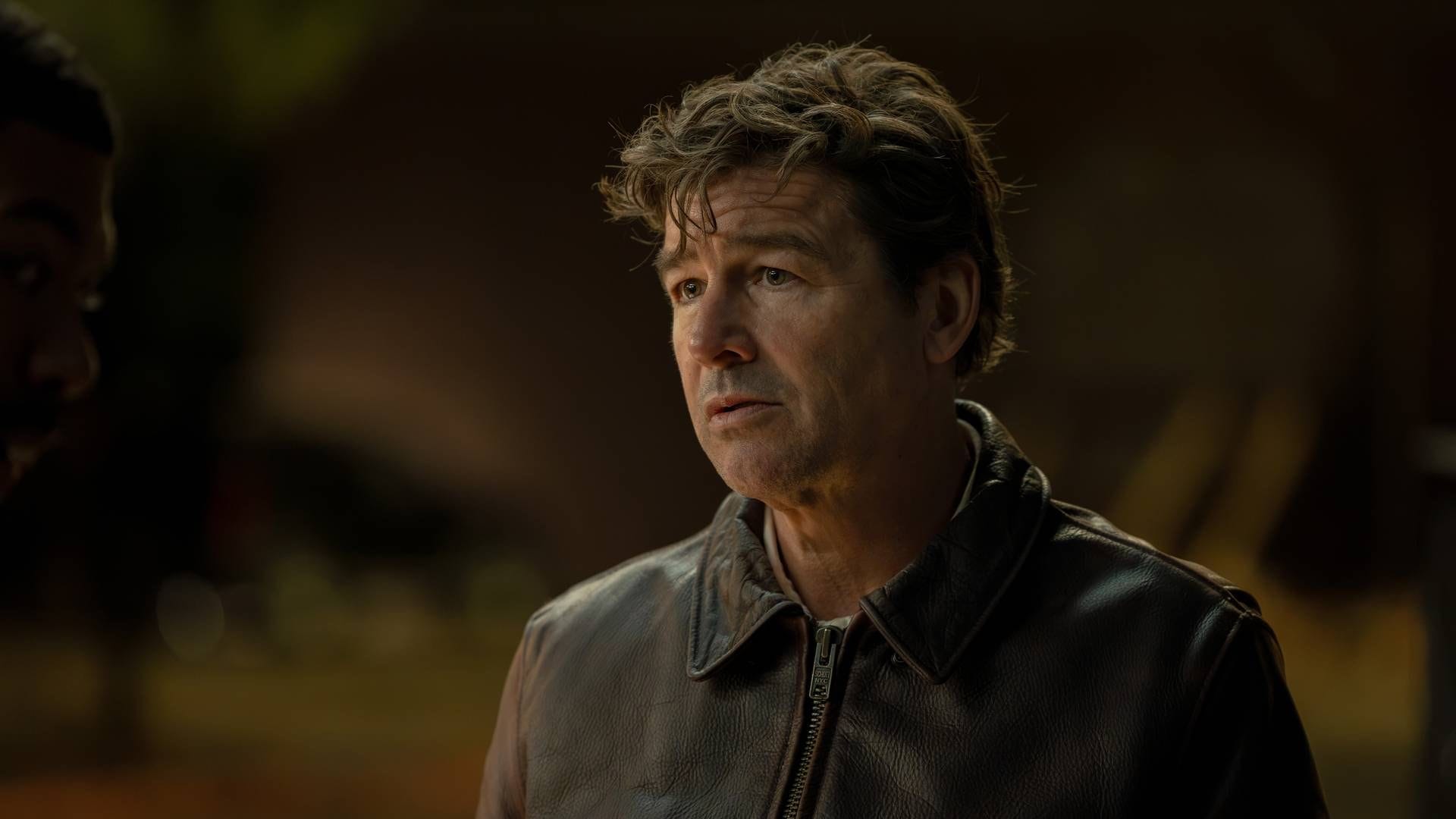
In the high-stakes world of superhero narratives, sometimes the greatest act is not the one that delivers immediate justice, but the one that challenges the very definition of punishment. The finale of <Lanterns> didn’t just deliver a shocking revelation about a crime; it forced the audience to confront a far more complex moral debate about consequence, freedom, and the boundaries of justice.
The mystery surrounding Hal Jordan’s death was finally cracked, revealing that the perpetrator was Sheriff Kerry Kane, Hal’s own girlfriend. She was the one who found Hal’s body and alerted John Stewart.
When John discovered this devastating truth, he faced an impossible choice: how to handle the gravity of the situation. Instead of seeking to punish Kerry or imprison her, John made a decision that resonated far beyond the courtroom walls.
“We had a big debate,” co-creator Tom King explained, reflecting on the team’s creative process. “It was like, ‘Does Kerry Kane get punished?'” He added that no punishment could be worse than the reality of living with the deed itself.
John ultimately chose not to impose external jail time, opting instead for a different kind of reckoning. He allowed Kerry to face the full weight of her actions, choosing to let her live with the consequences of what she had done.
The choice extended to Kerry’s son, Noah. Upon discovering that Noah was a Manhunter, an incredibly dangerous extraterrestrial, John faced another ethical crossroad. Despite Noah’s plea for justice, John refused to execute him. Instead, he insisted that Noah be granted the freedom to make his own choices, a reflection of John’s own journey in learning how to navigate morality beyond programmed rules.
This narrative choice emphasizes that true justice isn’t just about retribution; it’s about creating space for individuals to exercise free will. John’s decision was a powerful statement: sometimes the most profound outcome is allowing people to face their reality, rather than simply imposing external suffering.
As the story wraps up, the focus shifts from the crime itself to the complex human and cosmic relationships that define the characters. While the immediate arc of <Lanterns> concludes, the seeds planted regarding morality and freedom promise an interesting future for the DC universe. With the writers’ room open for potential season two, and upcoming projects like James Gunn’s DCU Chapter One and Man of Tomorrow on the horizon, the exploration of these complex themes continues to captivate fans.
Buy on Amazon
Credit
