Last Full Moon: In Wandering Earth, you must destroy the Moon
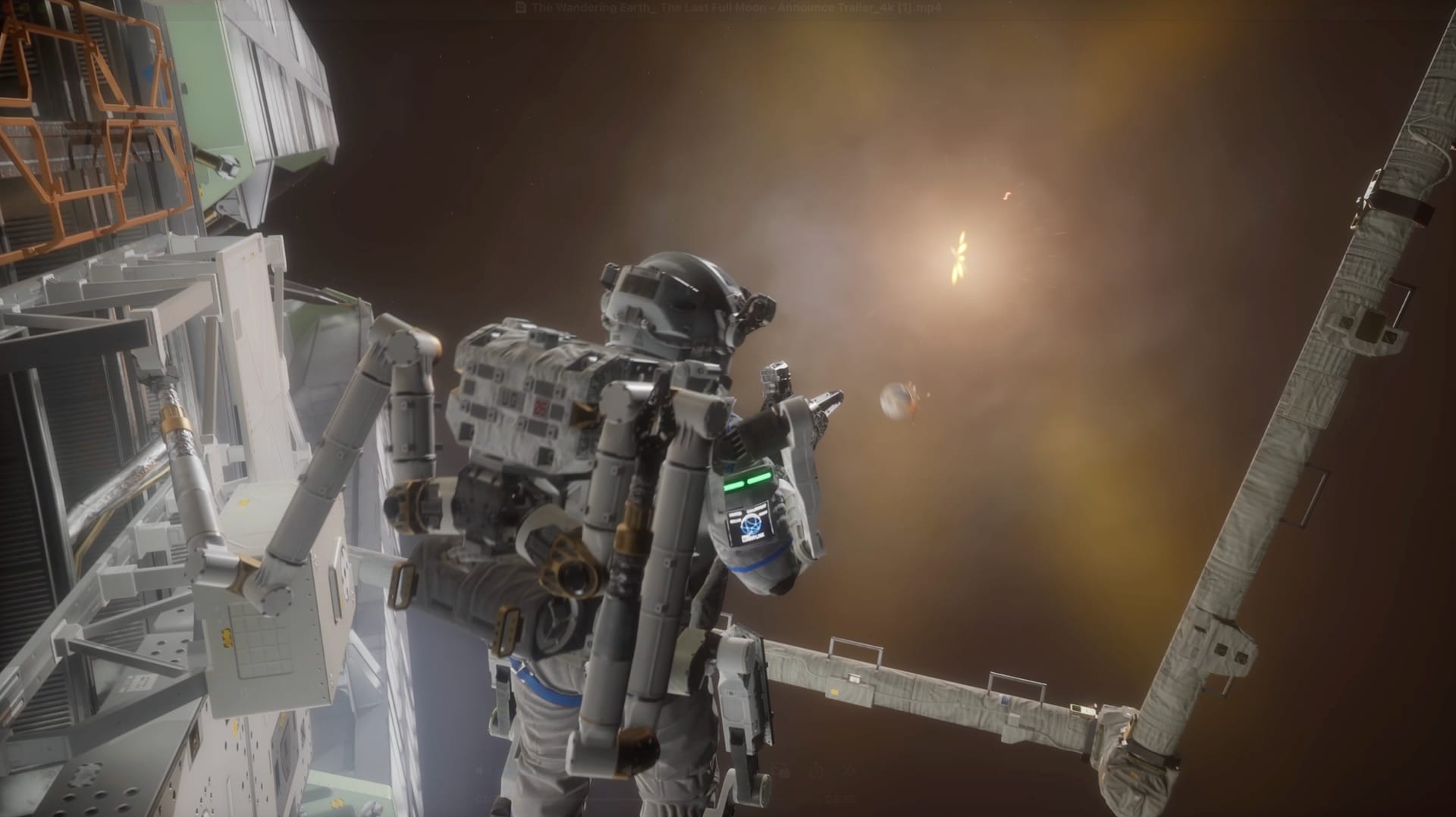
The Sun is set to consume the Earth. Before humanity can escape, the ultimate existential crisis requires a desperate maneuver: getting rid of the Moon. This dramatic premise is the foundation for a sprawling sci-fi epic, and now, a new gaming experience is bringing that cosmic drama directly to the controller.
The groundwork for this epic was laid by Liu Cixin, the author known for bending the nature of reality in The Three-Body Problem. His vision for the universe found blockbuster life in the 2019 film The Wandering Earth, which proved Chinese cinema’s capacity for hard science fiction. This commercial success sparked a wave of creative exploration, proving the immense potential of science-fiction intellectual property.
Now, that powerful narrative is being translated into interactive reality with The Wandering Earth: The Last Full Moon, a new game from Studio Surgical Scalpels. Skipping the film entirely, this project dives deep back into the novella’s origins, treating the story not just as a cinematic event but as a living, breathing conflict.
The game opens in the turbulent Braking Era, a time when humanity is racing against time to launch planetary engines and initiate the “Wandering Earth Project”—a 2,500-year mega-plan to flee the solar system. The central tension of the game revolves around the violent conflict between the Earth Faction and the Spaceship Faction, two groups whose 300-year disagreement dictates the fate of the future.
The title itself, Fly Me to the Moon, perfectly captures this dichotomy: the ache of letting go of familiar comforts while pursuing a desperate, monumental resolve to keep moving. Players step into the role of an engineer sent to the Moon just as the critical window opens, forcing them to confront an assault, a conspiracy, and the long-simmering philosophical arguments that define the conflict.
Surgical Scalpels has deliberately focused on translating this vast, physics-heavy story into a grounded, skill-driven shooter experience. The studio insists that while the setting is futuristic, the core feeling of shooting must remain physical and believable, avoiding the pitfalls of mere sci-fi power fantasies. Instead of relying on ability-driven mechanics, the game emphasizes how the player interacts with a physically demanding environment.
This commitment to realism extends to the player’s perspective. The aiming system is a groundbreaking element, utilizing a triple-reticle setup tied directly to the character model and the effects of lunar gravity. This forces players to truly study their environment, integrating inertia and velocity into every shot, creating an immersive experience where the player’s physical viewpoint matters above all.
Visually, the aesthetic leans toward the tangible, aiming for a Planetary Engine look—a sense of dwarfing scale that reminds players just how incredibly vast the cosmic landscape truly is. Despite the enormous stakes, the development team is confident that by focusing on faithful storytelling and grounded gameplay mechanics, they are building something truly special.
Buy on Amazon
Credit