Leaker demands you delete Sony to save Banjo-Kazooie
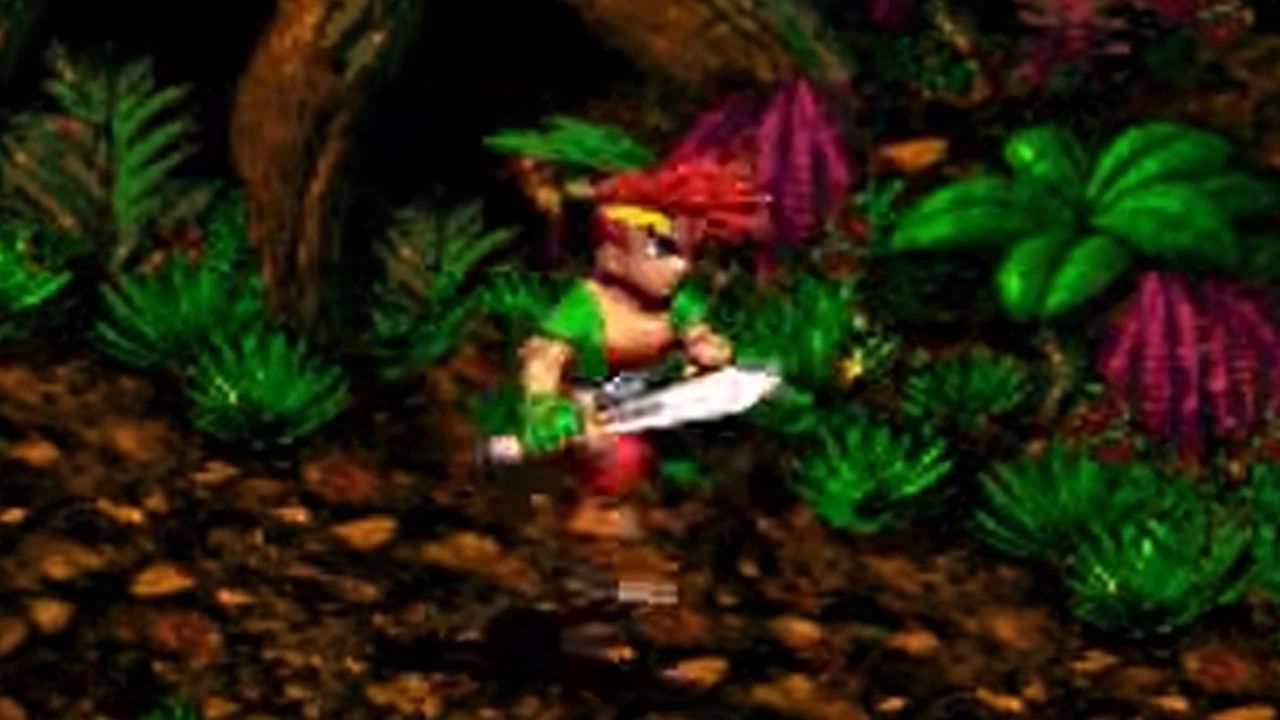
In a defiant act of digital archaeology, a piece of forgotten gaming history has surfaced, offering a tantalizing glimpse into the development of a beloved franchise. A leak has released the ROM files for Project Dream, a canceled proof-of-concept for a pirate RPG that would ultimately seed the legendary Banjo-Kazooie series.
This prototype, intended for the 16-bit Super Nintendo era, looks strikingly ahead of its time. The character models and jungle environments showcased in the files demonstrate a level of graphical advancement that pushed the boundaries of what was considered possible on the SNES. It represents a chapter of Rare’s ambitious history, an idea that was shelved after nearly two years of intense development in 1997, largely due to insurmountable technical hurdles.
While Rare has always spoken about Project Dream, this is the first time the prototype has been widely disseminated online. The source of the leak, operating under the online moniker FvckAsha&Phil, has framed this release not merely as sharing old files, but as a necessary act of preservation against a rapidly shifting, unforgiving industry.
In a manifesto-style writeup, the leaker argues that in the current climate, it is imperative to safeguard these beautiful, overlooked artifacts. They suggest that with the relentless march toward AI, massive layoffs, and shifting corporate control—particularly concerning Microsoft and other giants—releasing these hidden treasures is a crucial measure.
The message is clear: in a landscape where ownership is increasingly threatened, the physical and digital remnants of creative history become vital. The uploader implores readers to “get the last beautiful things hiding on our hard drives out there for everyone,” advocating for a shift in focus away from modern, exploitative systems toward preservation.
This call extends beyond gaming. It touches upon a broader dissatisfaction with the current state of the entertainment world, urging a rejection of modern corporate and economic structures. It is a reminder that in the late stage of capitalism, the only things that truly count are the experiences and creations we choose to keep.
Though Project Dream ultimately did not see the light of day as a full game, its existence as a prototype now stands as a testament to the enduring spirit of creative ambition. It reminds us that history is not only written in finished games but also in the carefully preserved remnants of those that were dreamed.
Buy on Amazon
Credit