Level-5 Boss addresses AI backlash after fan outcry
The AI Dilemma: Level-5 Faces Backlash Over Generative Art
The world of game development is currently grappling with a thorny question: where is the line between technological efficiency and artistic integrity? This tension became sharply visible following a presentation by the Japanese studio Level-5, which sparked significant fan outcry over the perceived use of generative artificial intelligence in their upcoming projects.
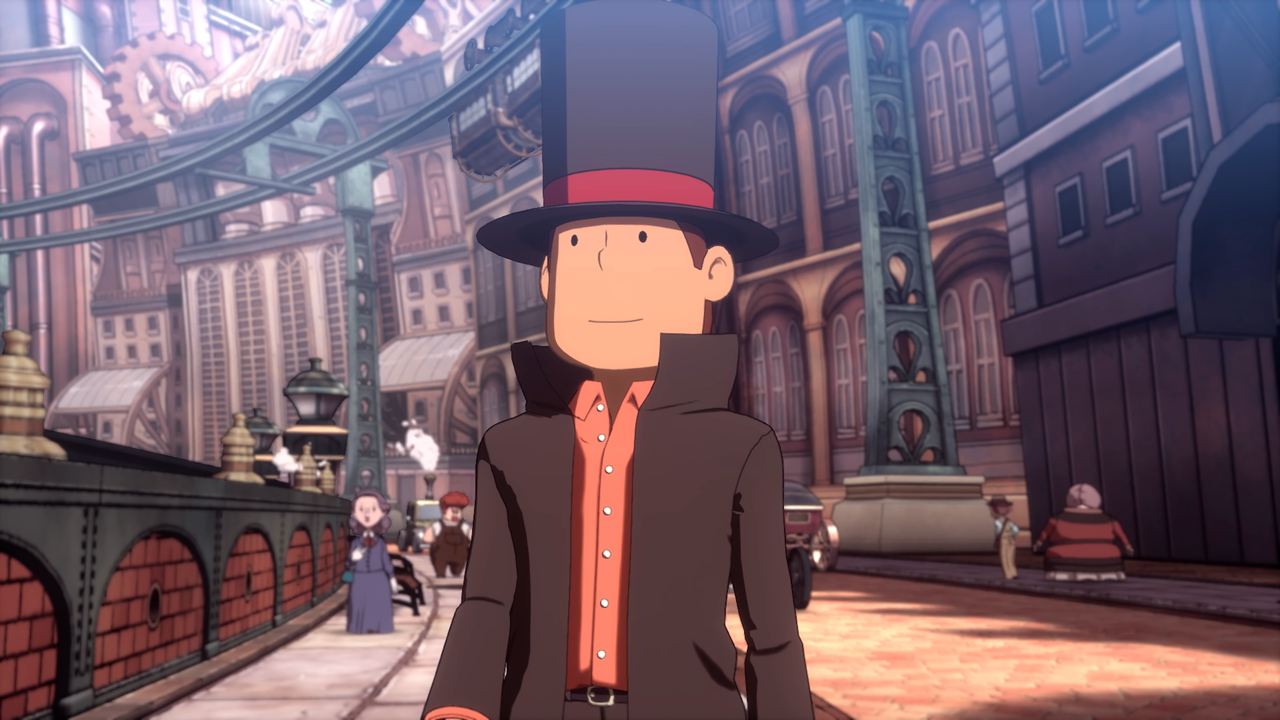
Concerns erupted when footage presented during the studio’s showcase, dubbed Level5 Vision 2026 II: Dreams, featured elements that many fans suspected were the result of generative AI. Specific games causing the most friction included the remake of Professor Layton and the Curious Village, DecaPolice, and Yo-Kai Watch 2: Haunted Domain.
While the footage itself was mostly background material, the mere presence of suspected AI involvement prompted intense scrutiny. Fans felt that the presentation shifted focus away from the exciting gameplay and toward the methods of creation, turning anticipation into controversy.
The backlash was immediate and vocal. Some community members expressed deep disappointment, viewing the integration of generative technology as a betrayal of the studio’s reputation. Comments ranged from outright condemnation to a sense of alarm over the future of artistic labor, with some lamenting the perceived use of “AI s>t” in game development.
Level-5 President and CEO, Akihiro Hino, addressed the mounting noise by issuing an apology and a detailed explanation. Hino confirmed that the studio has indeed utilized generative AI in certain aspects of the development process, describing it as an attempt at experimentation with the latest technology.
Hino clarified that the AI was primarily used to streamline the process of digitizing human-created assets, such as converting original artwork into 3D polygon models. He assured the community that the core elements defining the appeal and individuality of their released titles—including scenarios, character designs, and foundational settings—remain entirely the work of human creators.
The studio noted that this reliance on AI was driven by a desire to accelerate the development cycle for major titles, aiming to reduce the time from five years down to two. However, Hino acknowledged that this experience served as a valuable learning opportunity, and the team committed to taking this feedback into account for future presentations.
Despite the studio’s assurances, the deeper debate remains unresolved. Many critics worry that leveraging generative AI risks devaluing the skill of human artists. Concerns persist that the technology is being trained on stolen works, raising fundamental questions about the ethics of using AI to profit from the labor of countless artists.
Ultimately, the controversy underscores a critical juncture in the gaming industry. As technology continues to evolve, the conversation must shift toward ensuring that innovation does not overshadow the irreplaceable value of human creativity and the trust placed in the work we consume.
Level-5 remains focused on their upcoming titles, including the remake of Professor Layton and the Curious Village, slated for release in 2027, and The New World of Steam in December.
Buy on Amazon
Credit