Level Up PC Gaming in 2026 With What You Have
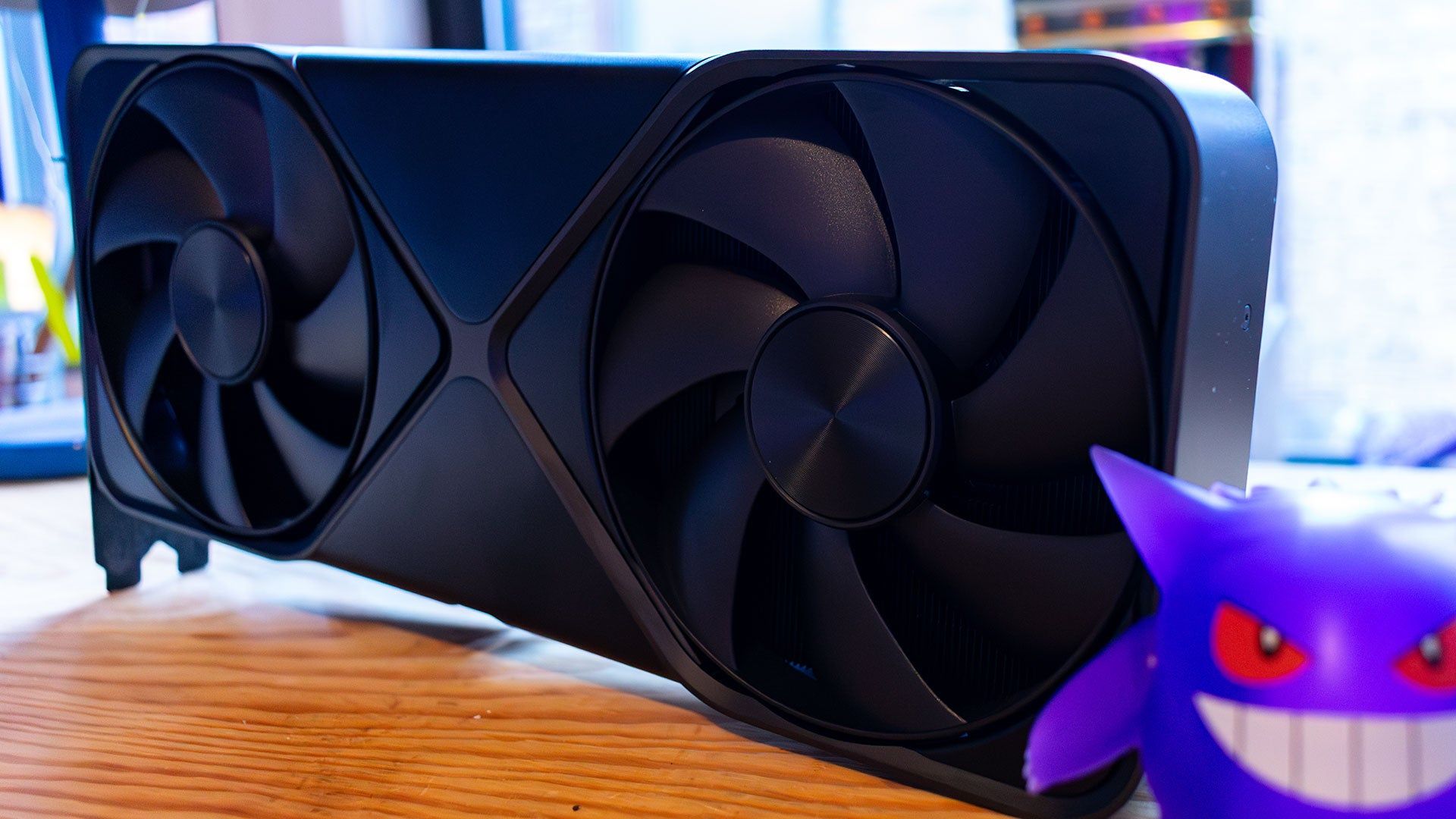
The dream of building or buying a powerful PC for gaming often seems like a distant fantasy, especially when you look at the current landscape of hardware pricing. It’s easy to feel like 2026 is going to be an absolute slog for anyone trying to invest in PC components. Back when we first started seeing the sharp rise in prices—particularly with RAM—the optimism felt a little misplaced.
The memory crisis, fueled by the demands of data centers and the resulting supply chain bottlenecks, hasn’t slowed down; it’s only gotten worse. While some optimists predicted this situation would ease by 2027, current reality suggests those timelines are slipping. Hardware prices have surged across the board, affecting everything from RAM and SSDs to CPUs and GPUs.
This inflation hits gaming hardware hard. For instance, the entry-level Steam Machine, which once seemed accessible, now carries a price tag well over a thousand dollars without even factoring in peripherals. The cost of entry into high-end gaming is astronomical, making it feel almost impossible to find a decent setup at a reasonable price.
The pressure isn’t just on enthusiasts; the economic strain is extending even to established console makers. Industry estimates suggest that the costs for manufacturing Xbox consoles could end up five times higher by 2027. This dynamic reveals how deeply intertwined supply chain issues are with consumer electronics, making the cost of gaming hardware a global headache.
Despite the financial turbulence, there is a surprising counter-narrative emerging from the gaming community: PC gaming actually feels incredible right now. While building a new rig might be out of reach for many, players are finding unexpected ways to enjoy the experience.
One of the most encouraging developments lies in how well games are adapting to more accessible hardware. Over the last half-year, testing and tweaking have revealed that major titles have been surprisingly optimized for lower-end systems. Games like Crimson Desert, which faced steep performance requirements at launch, now run quite smoothly on a wider range of machines. Similarly, games such as Pragmata, Forza Horizon 6, and the recent Black Flag remake have demonstrated excellent performance even on mid-range or lower-end systems.
This optimization trend makes sense. When prices are soaring, developers naturally focus on maximizing performance across various platforms to keep games accessible. It seems smart for developers to optimize their titles so that players can still enjoy immersive experiences regardless of the hardware they own.
For those who are already invested in gaming, the best advice may be to pause the quest for the perfect upgrade and instead focus on what you have. Rather than chasing the next piece of expensive hardware, many are finding contentment by maximizing their current setups. As console generations enter their later years, PC games continue to evolve in ways that make them accessible.
Ultimately, the magic of PC gaming often comes down to tweaking and optimizing—a skill that has become even more valuable as developers push the boundaries of graphical capability. As long as this trend of optimization continues, players have a solid foundation for enjoying high-quality gameplay on whatever system they currently possess.
Credit