Link’s controversial face in Zelda Ocarina of Time remake sparks fan outrage
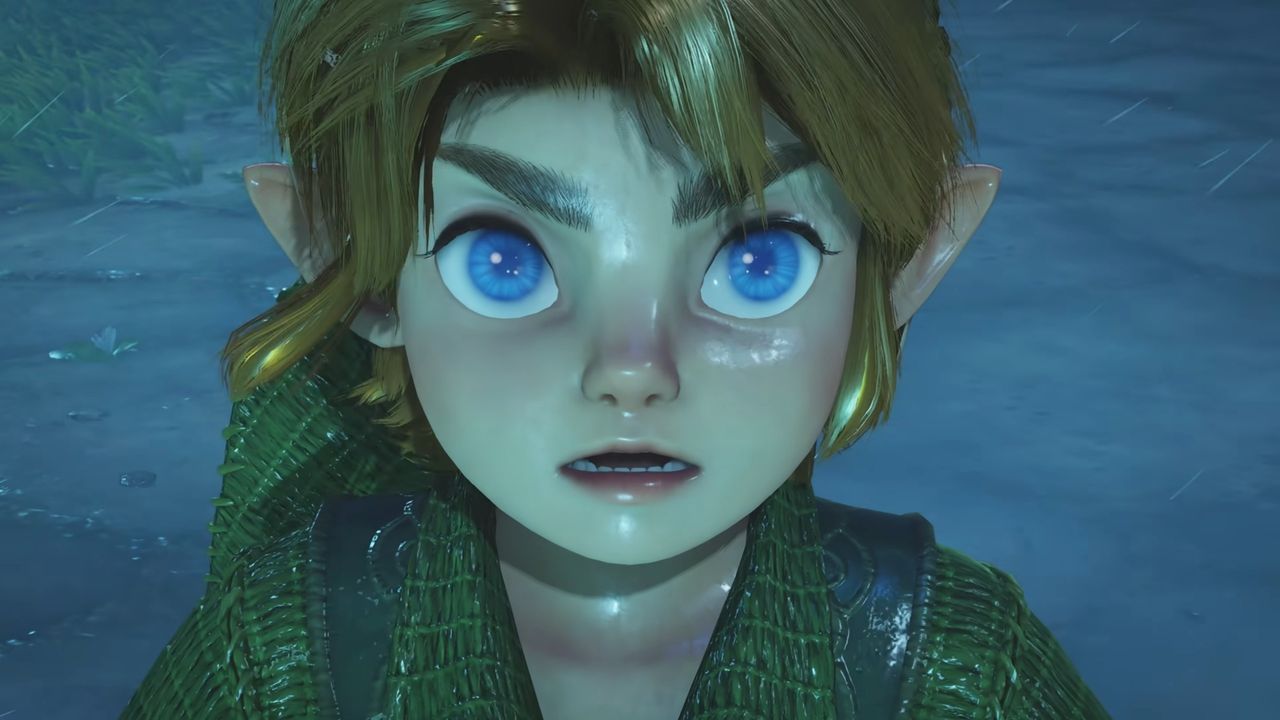
When it comes to beloved video game icons, visual design is often treated as sacrosanct. Yet, in the world of Nintendo, a recent remake of The Legend of Zelda: Ocarina of Time has sparked a lively debate about the uncanny valley. Specifically, the younger version of Link has become the subject of intense scrutiny regarding his facial features and overall appearance.
Critics and fans alike have pointed out that Link’s design, featuring chubby, babyface cheeks and large, round eyes, lands squarely in that uncomfortable space between real-life and fictional humanity. This subtle deviation from the established aesthetic has led to a flurry of humorous, yet pointed, commentary online regarding Nintendo’s artistic choices.
The comparisons are often as wild as they are funny. Some users have drawn startling parallels between Young Link and characters from other franchises, prompting discussions about visual similarities that stretch the boundaries of imagination. Comparisons have been made to the infant-looking Ordonian from Twilight Princess, leading to speculation about character lineage within the fictional world.
Even more amusing are the comparisons drawn to cinematic figures. One viral comparison likened Link to the cursed hellspawn Renesmee from the Twilight film franchise, highlighting how easily human viewers perceive similarities in facial structure and expression, even across vastly different fictional universes.
The reaction extended beyond mere aesthetics. Comments surfaced suggesting that if the game had been designed differently, the sheer, exaggerated innocence of Young Link might have warranted more… dramatic action. One playful suggestion suggested that the intrepid adventurer would have been swiftly dealt with by his companions, framing the visual discrepancy as a catalyst for hypothetical violence.
This visual discourse has touched upon the core concept of character design and fan expectation. The resulting sentiment—that the artistic choices felt unintentionally jarring—has turned into a shared joke among the community, acknowledging the subtle, yet profound, ways in which we project human characteristics onto fantastical beings.
Ultimately, the debate over Link’s appearance serves as a reminder that even in meticulously crafted worlds, the boundaries of realism and expectation are constantly being renegotiated by the audience.
Buy on Amazon
Credit