LOD directors claim nobody made games like them
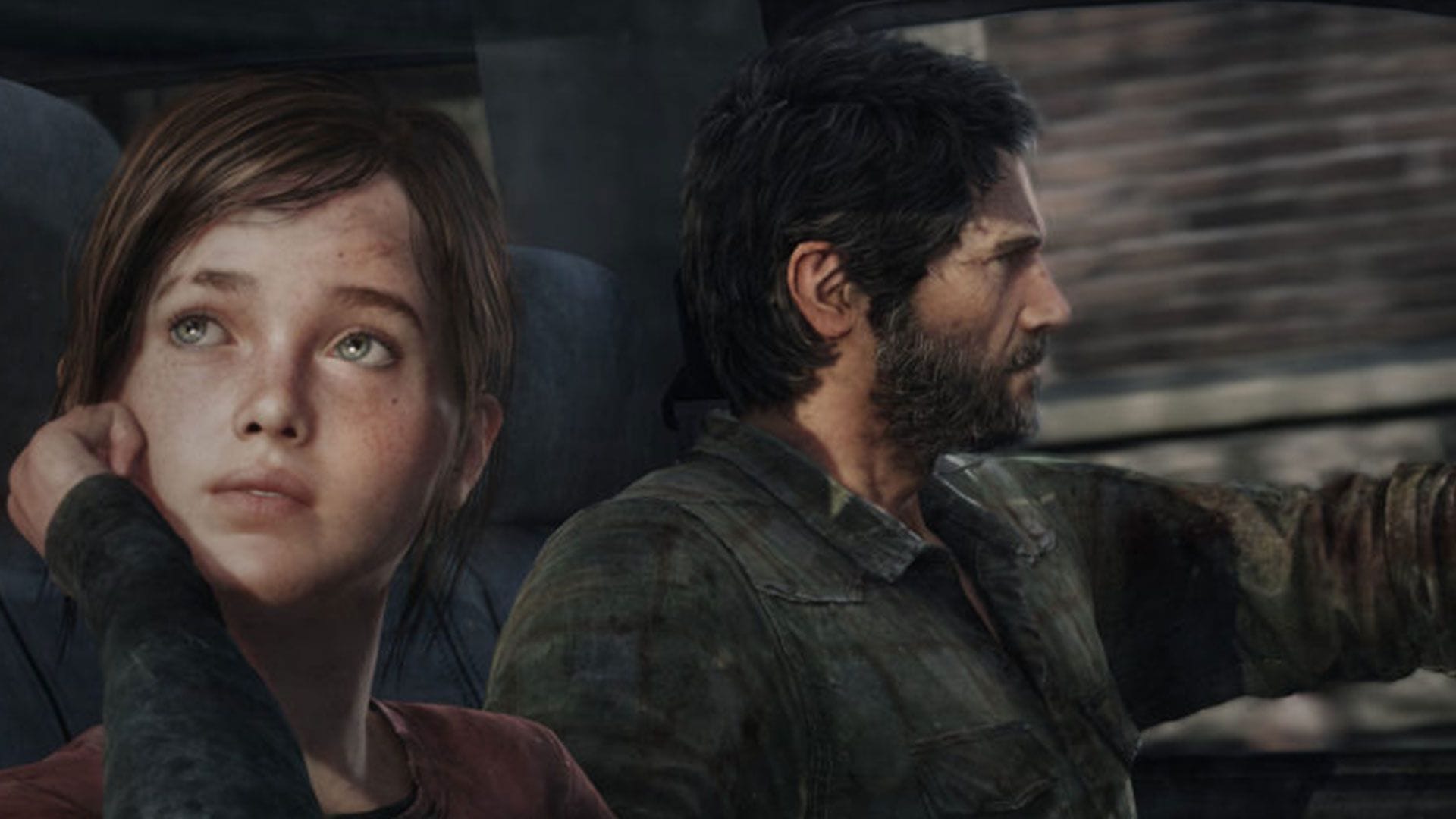
When The Last of Us arrived, it wasn’t just a new title; it felt like a revolution in the landscape of interactive storytelling. For the game’s creators, the experience proved that a deeply character-driven survival action game was not just possible—it was necessary. As the genre evolved, the conversation shifted from simply surviving the apocalypse to exploring the profound weight of human choices.
Game director Bruce Straley and studio head Neil Druckmann recalled the scene in the early 2010s, before the original release, when they felt they were doing something entirely unique. They argued that the demand for character-driven narratives was unmet within the genre. “That’s really what it came down to,” Straley explained, emphasizing that the focus needed to be on the psychological pressures faced by the characters, rather than purely on action.
Druckmann echoed this sentiment, noting that compelling media, whether film, comics, or video games, thrives on the human element. “It’s all about the characters,” he stated. “It’s about the pressures of the world forcing them to make really difficult decisions, and you learn something about who we are as human beings.” This emphasis on internal struggle and moral complexity was the groundbreaking element that set the series apart.
This shift was particularly notable when comparing it to established survival franchises like Resident Evil. While that series had a long history, Druckmann contended that it often focused on over-the-top violence rather than deep character development. He suggested that while the settings could be apocalyptic, they often lacked the character-centric approach that The Last of Us pioneered.
Despite the initial groundbreaking nature of their work, the impact of The Last of Us cannot be overstated. It successfully demonstrated that character-focused narratives were not niche, paving the way for other developers to embrace this direction. This success spurred a wave of innovation, proving that games were not limited to campy action sequences.
Today, the influence of Naughty Dog’s vision is clearly visible across the industry. Games like The Plague Tale and Dying Light, as well as Days Gone, successfully integrate deep character arcs into their apocalyptic settings. Furthermore, major franchises such as God of War and Ragnarok, along with various remake projects in the Resident Evil universe, have visibly adopted design philosophies rooted in the emotional depth established by Naughty Dog.
The legacy of the original games continues to inspire. Neil Druckmann confirmed that Naughty Dog remains actively engaged, with “a couple projects in the works,” demonstrating that the creative philosophy forged in those early years continues to resonate and shape the future of interactive storytelling.
Buy on Amazon
Credit
