LoL Classic: Reliving the actions that defined our gaming love
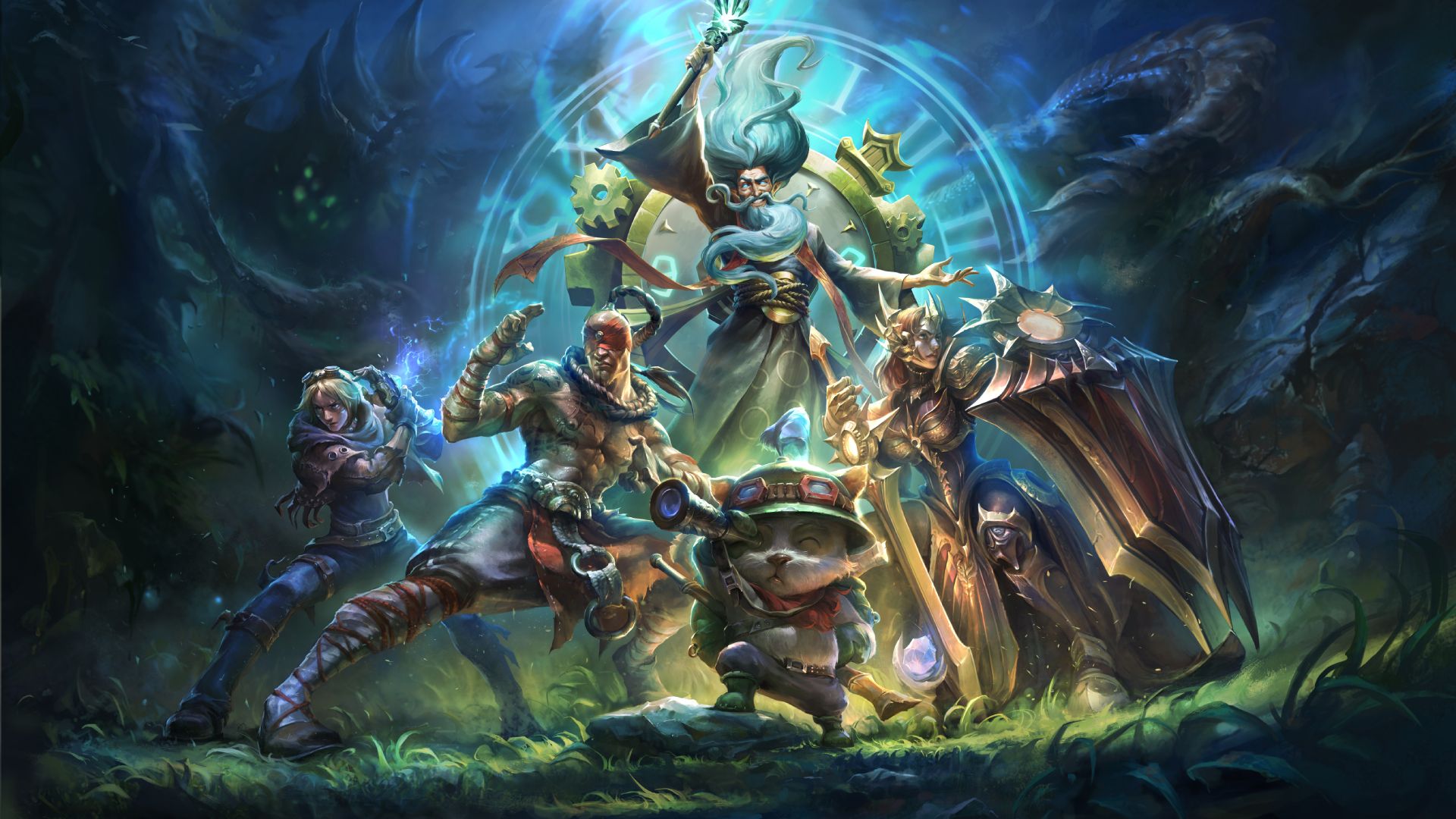
The Endless Evolution: A Decade in League of Legends
For those who have lived and breathed the world of competitive gaming, some titles are less just entertainment and more living historical documents. Among these digital monuments is League of Legends, a title that has witnessed seismic shifts in design, community structure, and gameplay over the last ten years. For one player, this journey has been an immersive chronicle, a deep dive into the slow, deliberate evolution of a massively successful game.
Having spent more than a decade navigating the digital landscape of Runeterra, I have not just played League of Legends; I have lived through its continuous metamorphosis. The experience is marked by a profound sense of history, a recognition that the game has never been static but is instead a living entity constantly reinventing itself.
I remember the early days with a fondness for what feels like a bygone era. There was a distinct way to approach champion design, a predictable rhythm in the match-making process, and a recognizable set of abilities that defined the initial identity of the game. Finding a suitable match used to require patience, a leisurely wait for the perfect lobby, reflecting a time when community structure felt more organic and less instantaneously saturated.
As the years unfolded, so did the changes within the game itself. The shifts in champion mechanics, the refinement of map dynamics, and the constant balancing acts introduced by developers fundamentally altered the experience. These adjustments were not merely technical fixes; they were artistic choices that reshaped the very fabric of what it meant to be a champion or a player.
Witnessing these transformations in real-time has been fascinating. Every patch, every update, introduced new layers of complexity and strategy, demanding fresh perspectives from players. It is this ongoing cycle of change—the slow, inevitable evolution—that gives the longevity of League of Legends its unique appeal. It forces us to continually re-engage with a familiar world under a subtly, yet profoundly altered, set of rules.
The journey is less about remembering specific statistics and more about appreciating the narrative woven into these changes. It is an appreciation for how a massive online phenomenon can adapt, grow, and evolve while retaining its core identity. This evolution demonstrates the remarkable power of a game to sustain itself by embracing change rather than clinging to a single, static form.
Ultimately, the ten-year experience has solidified a deep connection to the game’s history. It is a testament to how technology and community interact, creating an ongoing story that keeps players coming back, eager to discover what the next chapter holds for Runeterra. The magic of League of Legends lies not just in its characters or its maps, but in the enduring spectacle of its constant transformation.
Buy on Amazon
Credit