Manual Driving Boosts Your Brain More Than Automatic
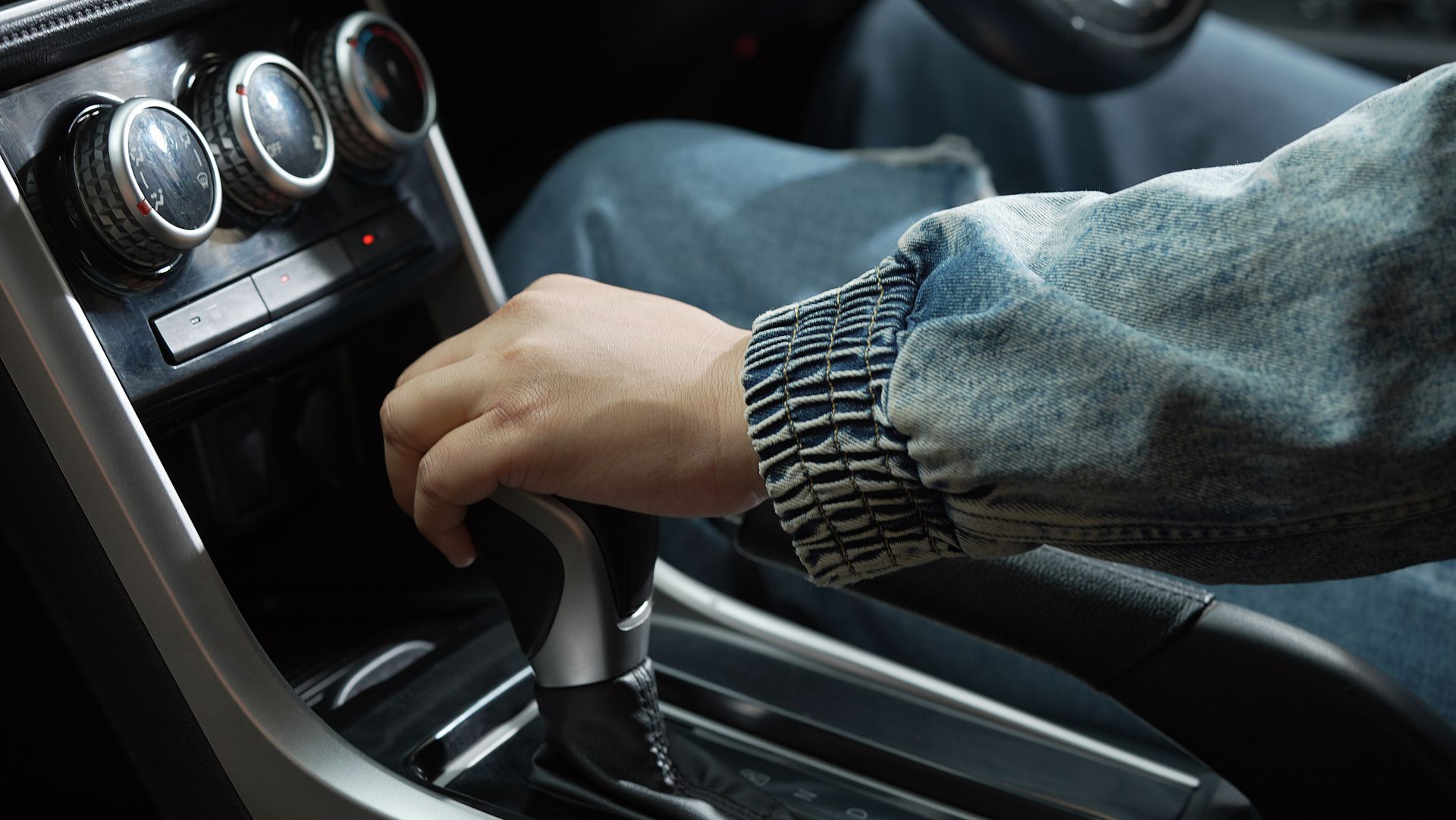
Ever considered that your daily commute could be a secret brain workout? A fascinating new study suggests that the simple act of driving a manual transmission car might offer surprising cognitive benefits, potentially helping to maintain mental sharpness and stave off cognitive decline.
Neuroscientist Professor Ryuta Kawashima and his team at Tohoku University investigated how different driving methods impact brain activity. The research focused on comparing the mental demands placed on drivers operating both manual and automatic vehicles.
The findings revealed a significant difference in brain engagement. While driving an automatic car involves more passive operations, driving a manual transmission car activates the prefrontal cortex—the area of the brain responsible for memory, decision-making, and attention—in a more complex way. This enhanced activation is key to the potential health benefits.
The challenge of manual driving lies in the continuous need for assessment and action. When operating a stick shift, drivers must constantly judge their surroundings, select the optimal gear, and manage the simultaneous coordination of the clutch pedal, gearstick, and acceleration. This process demands sophisticated brain and body coordination far beyond simply following an automatic system.
“You have to judge and then pick the optimal gear according to the situation, and this puts a better load on the brain’s cognitive functions than driving a passive automatic transmission car,” Kawashima noted.
In essence, mastering the manual shift forces the brain into constant problem-solving mode. This regular mental exercise is theorized to have a significant positive effect on maintaining overall mental health and cognitive function.
Given the growing concern over cognitive decline in aging populations globally, this research points toward an unexpected avenue for brain fitness. Driving a manual car could be a practical, daily habit that helps keep the mind agile.
Despite these intriguing benefits, manual transmission cars are receding in popularity, with them accounting for only about 1% to 2% of new vehicle sales in major markets like the U.S. and Japan, often replaced by more effortless automatics.
If you’re looking for other ways to keep your mind sharp, the world of gaming offers compelling alternatives. Research has consistently shown that engaging with action-based video games can boost cognitive function and gray matter density. Furthermore, studies suggest that more relaxing titles, like Animal Crossing, can positively contribute to overall mental well-being.
Whether you’re navigating city streets or virtual worlds, the core message remains the same: challenging the brain through active decision-making and coordination is a powerful recipe for lifelong cognitive health.
Buy on Amazon
Credit