Mapping the Orbitals
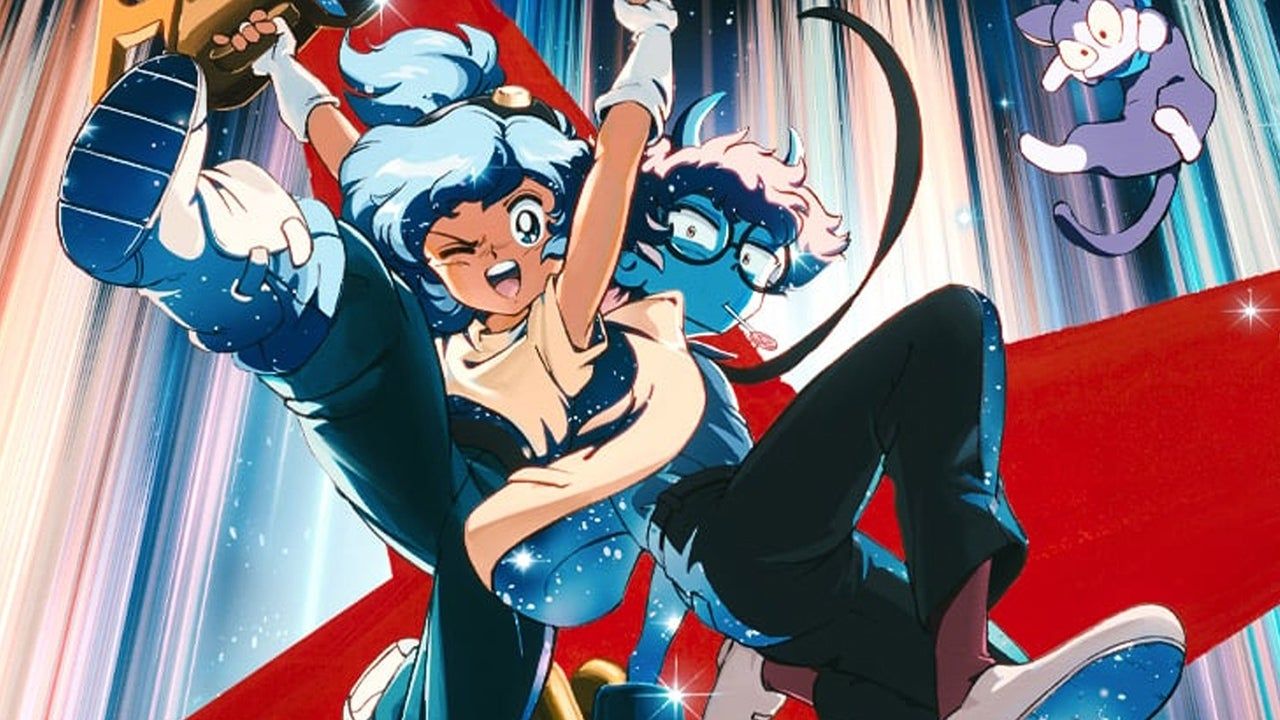
When Orbitals set sail, they weren’t just launching a space adventure; they were aiming to carve out a unique niche in the co-op genre by blending split-screen puzzle-solving with a striking throwback anime aesthetic. From the very first frame, the game delivered a dose of pure, nostalgic charm that instantly captivated the player.
The core joy of Orbitals lies in the joyous camaraderie of working together. While the puzzles themselves generally follow familiar concepts, the true brilliance emerges in how they necessitate intense coordination between two players. Exploring the unknown bounds of space side-by-side transforms the experience into an endearing romp, proving that collaboration can make even complex challenges feel like a grand adventure, even if the puzzles occasionally lean on established ideas rather than pushing theoretical limits.
Flexibility is key to the game’s success. Orbitals thoughtfully includes both local and online play, complemented by a friend pass system, allowing players to share the experience easily. This design choice emphasizes the necessity of tandem play, as the game’s mechanics are fundamentally designed for two people. Seeing your partner’s perspective constantly, whether playing on the couch or across the internet, heightens the demand for seamless communication.
The visual presentation is arguably one of the game’s greatest triumphs. The stylized player select menu instantly transports you back to the golden age of anime, reminiscent of the shows you grew up with. It evokes that tangible nostalgia—the feeling of late-night viewing sessions in a parent’s basement, setting a wonderfully warm, familiar tone before any action even begins.
The story is anchored by a dynamic duo: Maki, the disorganized and blindly optimistic hero, and Omura, the slightly more put-together, calculated counterpart. Their interaction provides the necessary balance, creating a quirky, curious partnership where Maki’s high energy is often rationalized by Omura’s steady assessment. This contrast breathes life into the narrative, making their journey through the cosmos feel far more personal.
Their mission to gather cassettes to power their colony forces them into the great unknown, but the journey itself is anything but static. Navigating the travel ship, flying through rifts in the wall of their colony, and exploring segmented levels ensures that freedom and discovery are always within reach. Whether solving rhythmic mining puzzles or mastering physical platforming challenges, the world of Orbitals seamlessly integrates the space setting into engaging, tactile gameplay.
The puzzle design masterfully teaches the fundamentals before injecting clever twists. Players learn the primary ways to interact with the environment—using tools like laser beams and grappling guns—and then are challenged to combine these tools in unexpected ways. This is most evident in the tandem hurdles: requiring both players to simultaneously shift weight and use grappling hooks to navigate tight turns, forcing a level of communication and focus that truly tests their synergy.
Beyond the action, the ship itself evolves into a cozy, personalized home. As players explore new regions, they discover charming details—from Capybaras to eccentric robots—that inject personality into the vessel. This transition from a cold hunk of steel to a whimsical space home is a delightful reward for the cooperative effort, making every journey feel exciting and filled with wonder.
Underpinning this visual and mechanical spectacle is an incredible soundtrack featuring artists like Swedish duo Falk and Klou, and Japanese singer-songwriter Mami Ayukawa. The music doesn’t just set the scene; it provides dynamic, personalized atmospheres for each zone, expertly weaving a tribute to 80s and 90s anime that elevates the entire experience.
Buy on Amazon
Credit