March of Giants unlocks new MOBAs beyond Dota 2 and League
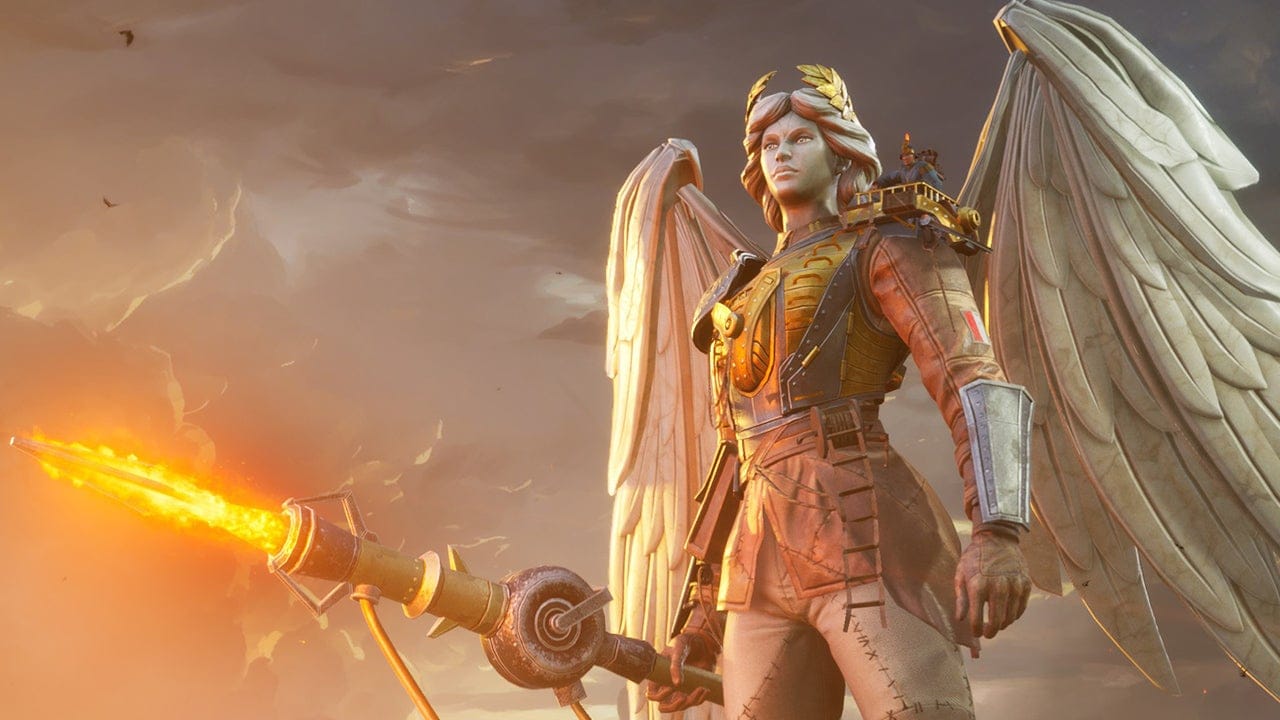
The world of multiplayer online battle arenas is about to get a serious dose of industrial fantasy. March of Giants is shaking up the rigid conventions of the MOBA genre by blending the strategic complexity of real-world trench warfare with the addictive gameplay of competitive arena fighting.
This isn’t just another team-based strategy game; it’s a battlefield where two opposing armies seek to dominate an ever-growing no-man’s land. Players command towering, mythical giants, shaping their three lanes into a dynamic warfront protected by player-built bastions and fortifications. The core challenge lies in breaking the stalemate, utilizing coordinated pushes, and developing novel strategies to conquer the terrain.
Lead designer aims to transform the arena into a true battlefield, emphasizing that victory requires more than just raw skill—it demands tactical land warfare. The game marries the familiar MOBA elements, such as separate skill leveling and complex itemization, with deeper, macro-level decision-making. Players must constantly seek out resources, acquiring requisition points and supplies from ruined city sections to upgrade their giants and reinforce their positions.
The true innovation in March of Giants lies in how it redefines battlefield control. Instead of traditional micro-management, players manage their forces through unique systems. Battleworks aren’t just passive defenses; they are dynamic structures that can serve as ironclad tanks, cavalry charges, or airship drops, dramatically influencing the flow of combat. This system brings the roots of RTS basecraft into the MOBA environment, reminiscent of the wild, imaginative concepts from the golden age of Warcraft 3.
Engagement is fueled by strategic objectives. Teams must contest enemy supply depots and shop points, destroying them to deny the opposition safe harbor. Fighting over neutral objectives, like siege dozers, acts as a perfect catalyst for massive teamfights or allows sneaky heroes to evade distracted opponents. Larger bosses, such as automated defense systems and rogue airships, reward coordinated pushes with immense boosts, turning territory into rubble.
The map design is intentionally smaller than some other major MOBAs, ensuring that the action remains intense. Matches are designed to be snappy, typically lasting between 20 and 30 minutes, making it an appealing experience for players looking to fit competitive gaming into a busy schedule. This pace keeps the conflict dynamic, preventing the matches from devolving into drawn-out stalemates.
Perhaps the most exciting element is the character ecosystem. While the giants may look like massive figures, the real depth comes from the extensive build freedom. Characters like the Iron Sister can be tailored into powerful tanks or devastating support units, while others, such as Trench Maw or Dreadnought, unlock entirely unique abilities and squad behaviors. The sheer variety allows players to embrace wild, creative character concepts without sacrificing balance.
The system for commanding soldiers is equally compelling. With just two keys, players can direct their units to gather supplies, scout hidden enemies, or unleash devastating area damage. Furthermore, the soldiers themselves transform based on the giant they serve—becoming werewolves, ghostly cultists, or wall-phasing specters—adding a layer of chaotic, hilarious unpredictability to every engagement.
Ultimately, March of Giants offers a compelling philosophy: more is more. By embracing the messy, dynamic nature of trench warfare and combining it with deep character and building flexibility, the game provides a fresh, complex, and thoroughly engaging experience for those ready to redefine what a MOBA can be.
Buy on Amazon
Credit