Mario dev burns Zelda diorama after Miyamoto says no
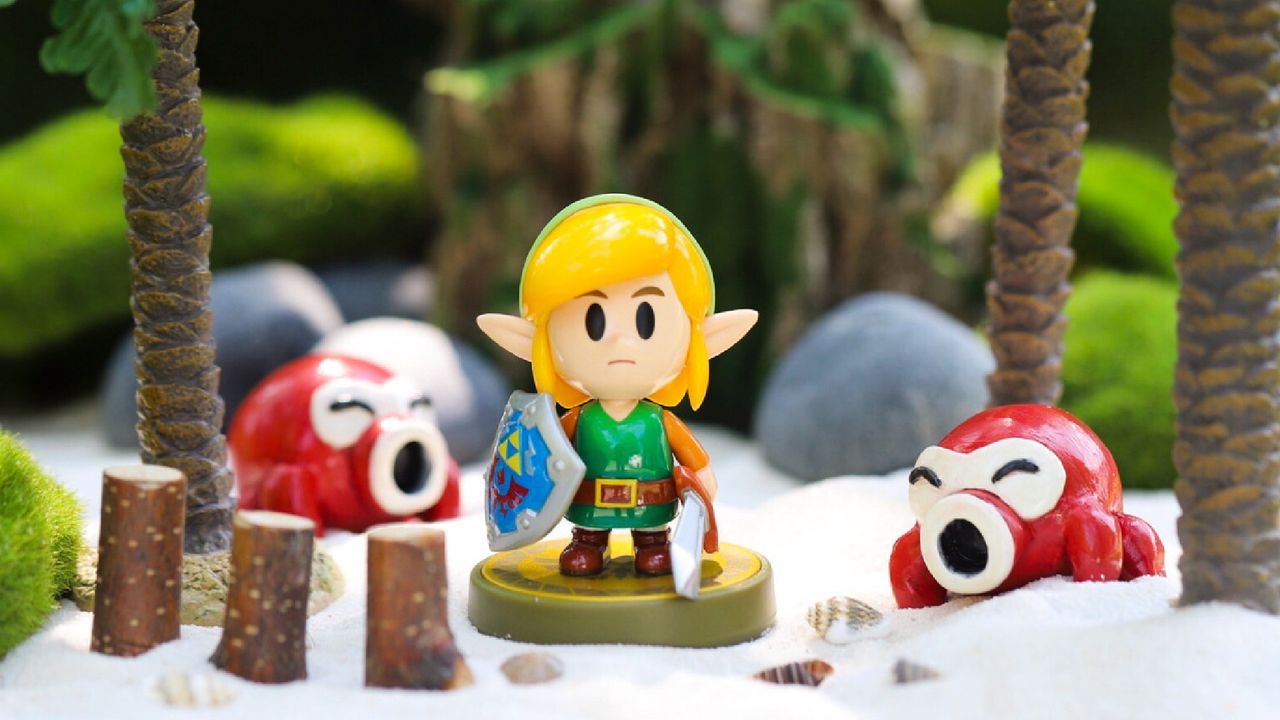
The Diorama That Almost Changed Gaming History
Before we talk about tiny little explorers and satisfying puzzles, we have to look at the bizarre, behind-the-scenes history of Captain Toad: Treasure Tracker. This game, beloved by millions, didn’t always belong in the Mario universe. In fact, its origins trace back to a much grander concept, one that almost landed Nintendo a legendary partnership with the world of The Legend of Zelda.
The initial concept for Captain Toad wasn’t destined to be a Mario spin-off; it was meant to be a full-fledged Legend of Zelda adventure. This potential destiny was widely publicized once the idea surfaced, but the journey from an epic video game concept to its final form involved some truly dramatic setbacks and unexpected creative acts.
The gameplay format itself started as a simple prototype at Nintendo: a tiny character slowly exploring diorama-style environments to solve puzzles. The core brilliance lay in perspective and discovery, setting the stage for miniature adventures that felt both charming and challenging.
The seeds of the Zelda idea were planted within the development team working on Super Mario 3D World. However, the team quickly hit a creative snag. Director Koichi Hayashida noted that while Mario could jump, making stages large, they wondered if it was possible to create a game centered around a character who couldn’t jump.
To explore this concept further, level designer Shinya Hiratake submitted an ambitious idea directly to Shigeru Miyamoto—the father of both Mario and Zelda. Hiratake proposed using Link as the protagonist for this new experience. To make this vision tangible and persuasive, he didn’t just sketch it out; he spent countless hours crafting a physical, elaborate diorama themed around Zelda.
Miyamoto was clearly impressed by the effort and the vision of the physical model. Yet, there was an adjustment: Miyamoto realized his initial thought was about a physical toy, not a video game. The grand idea for Link was shelved in favor of another direction.
This moment of creative dissonance led to one of the most poignant details of the story. Frustrated by the idea being dismissed as mere merchandise, Hiratake reportedly burned the diorama he had painstakingly built, deciding that it was better to let that specific memory die.
Despite this detour, the team persevered. They eventually realized that the concept of small-scale exploration proved incredibly compelling. Captain Toad found its perfect home as bonus stages within Super Mario 3D World, proving itself to be a core strength of that game.
This success eventually won over Miyamoto, who suggested spinning off the concept into its own standalone adventure, Captain Toad: Treasure Tracker—a game Hiratake co-directed. In the end, what began as a rejected fantasy about Link became a celebrated, charming, and unforgettable adventure.
Credit