Marvel Fighting Game Evolution
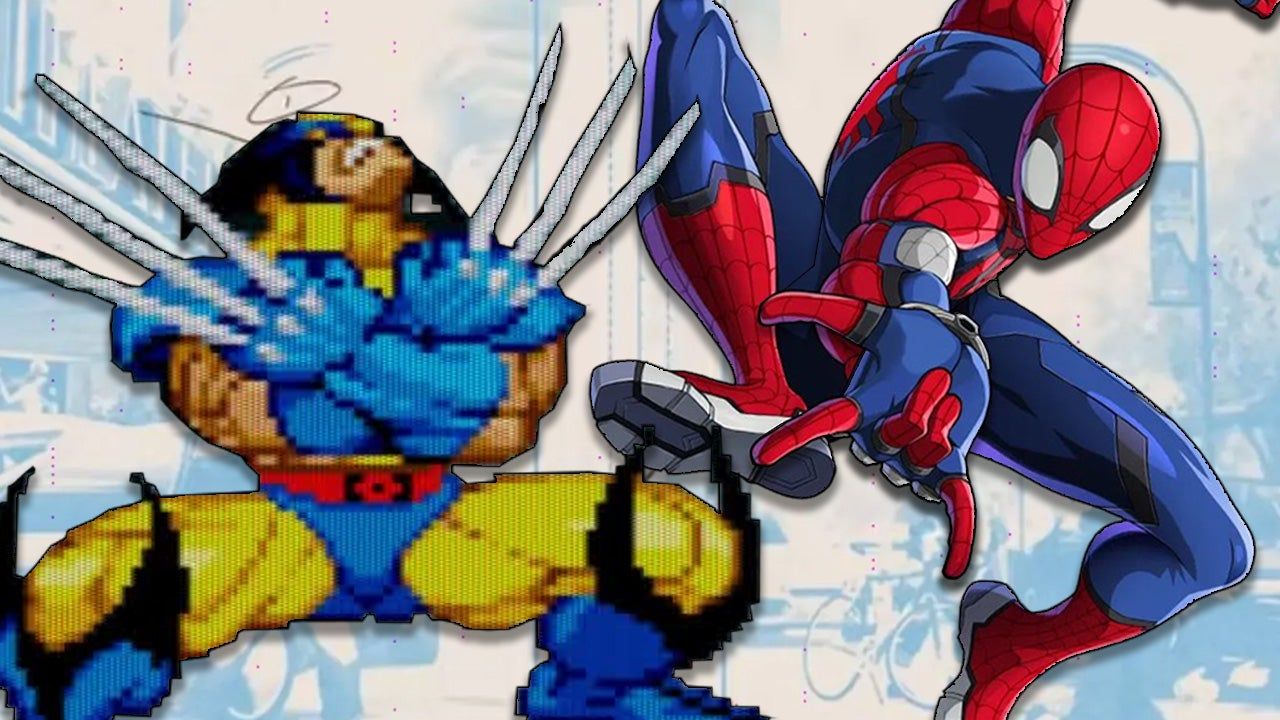
The Unstoppable Collision: How Marvel and Capcom Forged the Fighting Game Pantheon
The relationship between Marvel Comics, video games, and fighting arenas is less a collaboration and more a glorious, chaotic collision. Spanning decades of gameplay, these titans have traveled from the high-octane open worlds of Spider-Man adventures to the punishing pixel art of arcade battles. But in one particular genre, Marvel’s influence has carved out an undeniable empire: fighting games.
For over thirty years, Marvel has been a powerhouse in 2D arenas, navigating twists, turns, and spectacular smash hits. The history of Marvel fighting games is a masterclass in evolution, born from uneasy partnerships and relentless innovation.
The Genesis: Mutants and Motion
The journey began in the mid-nineties, following a period of turbulence for Marvel itself. Amidst business challenges, the team turned to the action of Capcom, who were dominating the arcade scene with titles like Street Fighter 2. Recognizing the untapped potential of the Street Fighter formula, Marvel partnered with Capcom to create X-Men: Children of the Atom in 1994.
This wasn’t just a simple skin; it was a revolution. The game introduced mutants to the ring, demanding a visual upgrade from traditional fireballs and breath attacks. To match the superheroic spectacle, new special moves featuring strobes and particle effects were introduced, fundamentally reshaping how players approached combat. Furthermore, the mechanics were overhauled—featuring significantly faster combos and innovative movement that redefined the rhythm of the action.
The success of this formula proved potent. It quickly became a sensation across various systems, allowing Capcom to refine the concept further with titles like Marvel Vs. Capcom: Clash of Super Heroes in 1998.
The Mechanics That Matter
As the partnership matured, key mechanical concepts emerged that would define the genre. X-Men Vs. Street Fighter expanded the arena from a simple one-on-one to dynamic two-on-two battles, where health became recoverable and switching characters offered a vital tactical advantage.
The formula was perfected in Marvel vs Capcom 2 (2000), which upgraded the format to 3v3 and introduced a massive roster of 56 characters. While this shift brought in groundbreaking team-based mechanics, it also saw a bold visual reinvention. Players discovered that building a true identity as a competitive player relied not just on character strengths, but on mastering the exhilarating possibilities of duo-team attacks.
The legacy of team fighting was crystallized in Marvel Vs. Capcom: Infinite (2017). This title experimented with a new “Active Tag” system and introduced the Infinity Stones as powerful team assets, offering players dynamic ways to approach combat. Though this innovation sparked excitement, the resulting shift in aesthetics and competition led to a decline in interest.
The Future of the Fight
Despite the ebb and flow, the spark remains alive. In 2011, Capcom returned with Marvel vs Capcom 3: Fate of Two Worlds, bringing back the series with new characters and a refined experience.

However, the true evolution is yet to come. The future of Marvel fighting games looks incredibly bright with the announcement of Marvel Tokon Fighting Souls in 2026. This title promises to be the first Marvel game to explore the thrilling potential of a 4v4 format, blending the proven legacy with fresh, exciting mechanics. From those earliest experiments in motion and tagging to the promise of true team chaos, the journey of Marvel fighting games continues to redefine what competitive gaming can be.
Buy on Amazon
Credit