Marvel Rivals needs an intervention
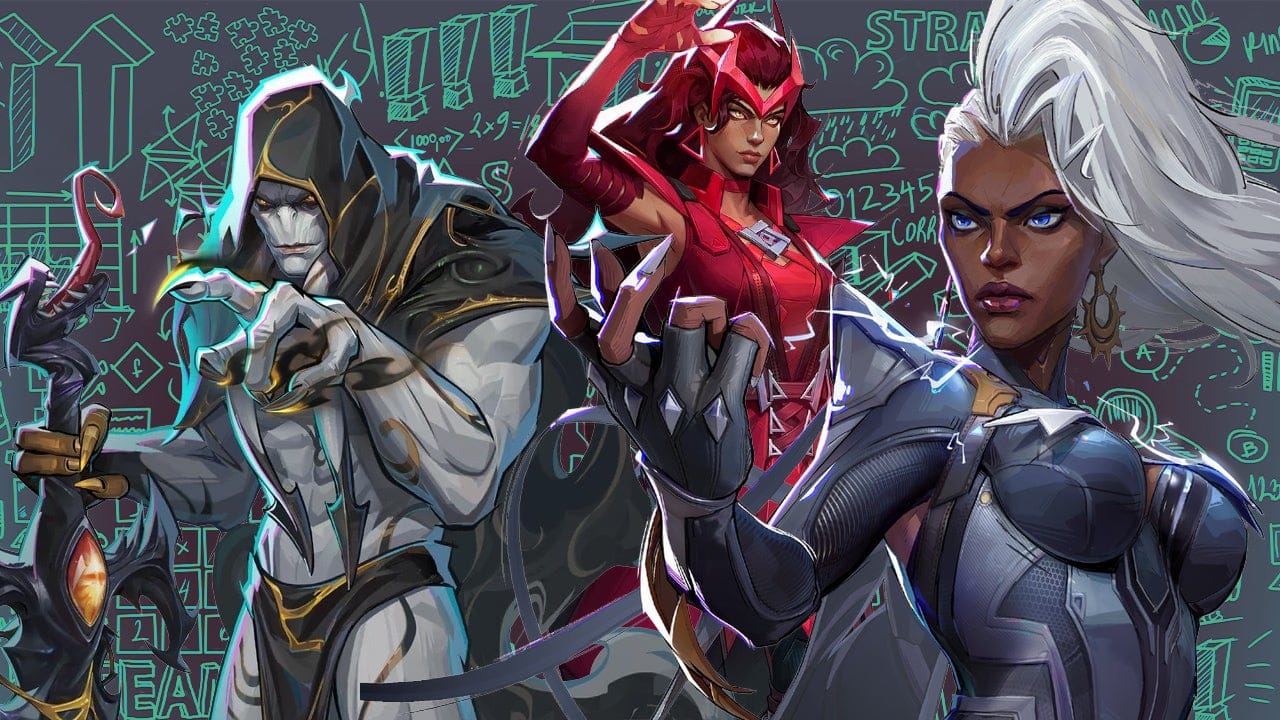
When a live-service game bursts onto the scene, it promises an epic journey. Marvel Rivals, launched with immense fanfare, was expected to be a smash hit. Instead, it has evolved into a confusing mess, forcing players and developers alike to confront serious questions about the viability of long-term, competitive free-to-play design.
Despite its initial promise, the game is grappling with a series of systemic issues that threaten to derail its trajectory. The fundamental challenge lies in maintaining balance and integrity while pushing the boundaries of competitive play. For a live-service game to thrive, it must deliver a consistent, fair experience, a feat that many developers, particularly those focused on esports, have yet to master.
The Balancing Act
One of the most persistent frustrations centers on game balance. While NetEase introduces updates and changes with each season, the battlefield often feels uneven. The accelerated release schedule, which saw heroes introduced rapidly—some seemingly without adequate playtesting—has led to power creep. New additions, such as Daredevil, Gambit, Elsa Bloodstone, and Black Cat, often required multiple seasonal nerfs just to reach a reasonable state. Furthermore, the introduction of new team-up systems has amplified power creep, creating a visual clutter of ability cooldowns rather than a genuinely neutral and engaging competitive space.
Compounding the mechanical woes are issues within the competitive structure itself. The matchmaking algorithm frequently results in unengaging stomps, and the lack of significant penalties for toxic behavior in competitive mode means that disruption and cheating remain rampant. While some stricter penalties are being introduced for repeat offenders, the overall lack of integrity in ranked play remains a detractor for the game’s competitive promise.
The Cosmetics Controversy
Beyond the gameplay mechanics, the game’s monetization strategy has ignited fierce community backlash. The reliance on gacha gambling events for major cosmetic releases is widely viewed as predatory, luring players into spending units for small chances at large bundles. This approach, especially given the game’s audience, has sparked outrage over monetization practices endemic to the broader NetEase ecosystem.
The distribution of these cosmetics has also drawn fire. While financial considerations dictate the distribution of skins, the disparity has grown frustrating for players who feel the developers are neglecting established comic book icons. A notable example involved the highly popular Summer Swimsuit line, which caused a firestorm when a swimsuit skin for Storm was revealed to be of Epic rarity, while other popular outfits were higher-grade Legendaries. This led to accusations of disrespect toward the source material.
This frustration intensified when the game failed to adequately represent its diverse player base. The attention given to Black heroes and Latino characters has been particularly scrutinized. When the Storm costume controversy erupted, fans voiced concerns regarding representation, leading to intense social media backlash against the developers. This sentiment was fueled by the game’s relative lack of focus on these communities compared to other preferred character favorites.
A Path to Redemption
Despite these challenges, the core gameplay remains compelling, and the potential for redemption exists. To restore faith and ensure the future success of Marvel Rivals, a fundamental shift in strategy is required. The team needs to move away from reactive, sweeping changes and adopt a proactive approach to development.
Suggestions for the future include reworking the balancing strategy to identify and permanently control overpowered heroes rather than making constant, drastic adjustments. Slowing the content release schedule would allow for adequate playtesting and balancing of new heroes and modes. Crucially, stricter, meaningful penalties for toxic behavior in competitive ranked modes must be implemented to protect match integrity. Furthermore, retiring the gacha mechanic and focusing on adapting fan-favorite looks for underperforming heroes would address the monetization concerns. When the focus shifts to fostering genuine inclusion and rewarding the entire player base, the game has the potential to finally realize its full, exciting potential.
Buy on Amazon
Credit
