Mass Effect 5 cancellation shocks internet and kills BioWare
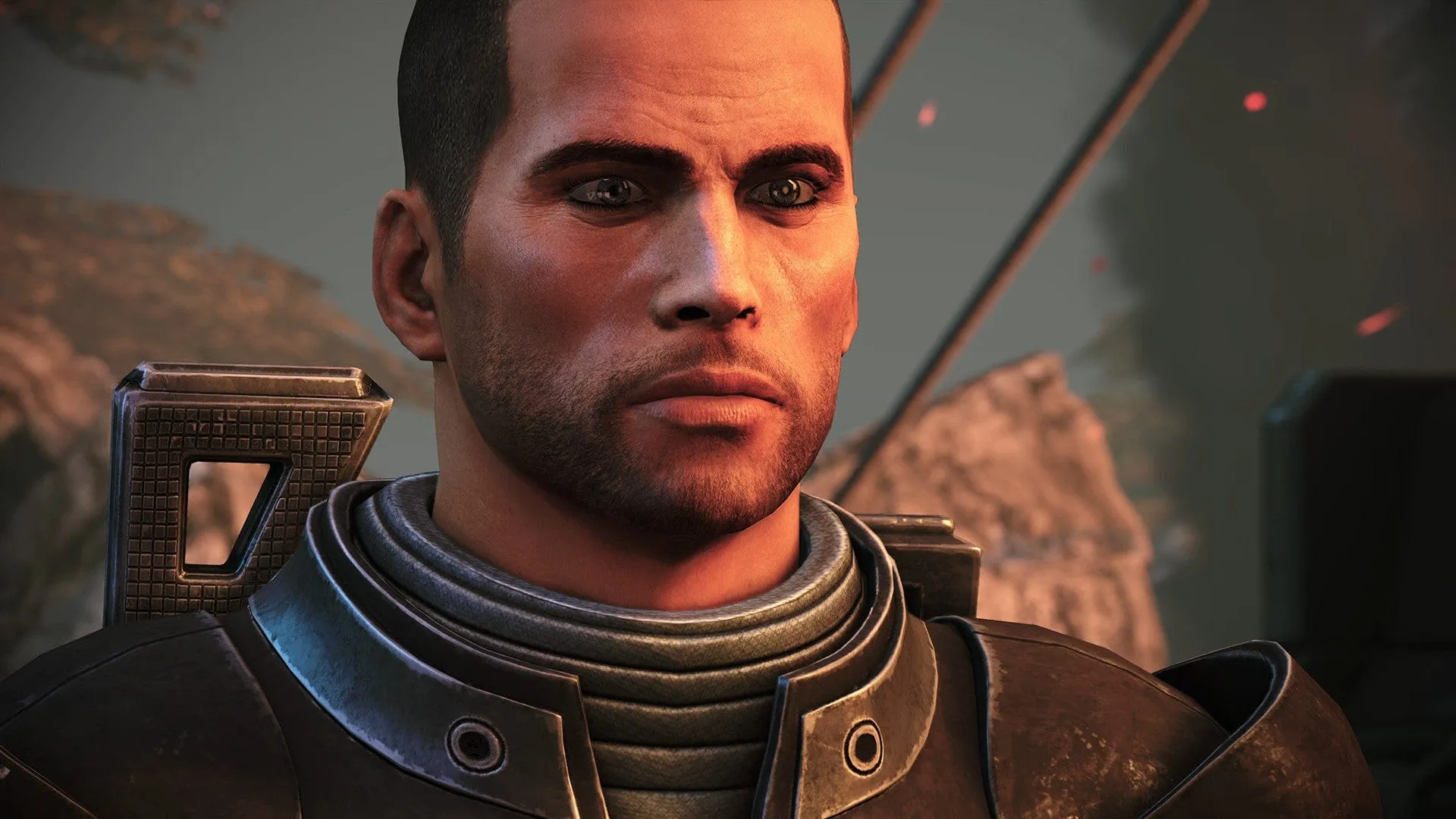
The End of an Era: How EA’s Restructuring Ended the Legacy of BioWare
The video game world is currently reeling from massive shifts at Electronic Arts, following an announcement on October 21 regarding significant restructuring of development studios and current projects. At the heart of this seismic change was the decision to close the legendary studio BioWare and, consequently, cancel the next installment in the beloved sci-fi role-playing franchise, Mass Effect.
For millions of fans, this news felt less like a corporate decision and more like a personal betrayal. BioWare had spent three decades shaping the landscape of RPGs, crafting some of the most influential and cherished narratives in gaming history. To see that legacy abruptly concluded sparked an outpouring of grief and frustration across social media, with many fans expressing deep anger over what felt like the erasure of a cherished history.
The reaction was visceral. Comments flooded online with expressions of despair, mourning the end of a beloved saga. One fan lamented that the end of the Mass Effect trilogy felt like a definitive heartbreak, while others urged the company to sell its intellectual property to another entity, fearing the loss of these iconic worlds.
Despite the sadness, the community also heard reflections from some of the industry’s most respected figures. Developers who worked alongside BioWare spoke eloquently about the profound impact the studio had on their careers and imaginations. For instance, figures like CD Projekt Red’s Michal Nowakowski honored BioWare‘s collaborative history, noting the deep friendship and mutual support that existed over the years, stretching from localization work to engine sharing.
Paweł Sasko, an associate game director for Cyberpunk 2077, reflected on BioWare’s influence, stating that games like Baldur’s Gate 1 and 2 had truly “shaped my imagination and the desire to create games.” He emphasized that BioWare had ignited a fire within him, inspiring him and enriching his creative journey.
The sentiment of loss extended beyond the community. Brian Fargo, the creator of Interplay Entertainment, called the event a “sad day indeed,” remembering the promise BioWare had shown when they were a smaller studio. Similarly, Swen Vincke, the boss of Larian’s Baldur’s Gate 3 development, described the closure as something he had not expected. He noted that BioWare had led the way in making RPGs mainstream, and the prospect of that name disappearing from future RPG discussions was an “unimaginable loss.”
BioWare itself acknowledged the gravity of the moment in its statement on social media, focusing on the people rather than the projects. They recognized that their focus now was on celebrating the incredibly talented team and supporting one another through the transition, emphasizing that the games achieved their greatness because of the players who brought them to life.
Meanwhile, the broader context of EA has also been turbulent. In August, the company had recently entered into a major private acquisition, valued at $55 billion, with an investor group including Saudi Arabia’s Public Investment Fund, Silver Lake, and Affinity Partners, with the goal of restructuring operations and managing debt. This financial shift adds another layer of complexity to the narrative surrounding the fate of these iconic creative studios.
Credit