Mass Effect gone just when we needed it most
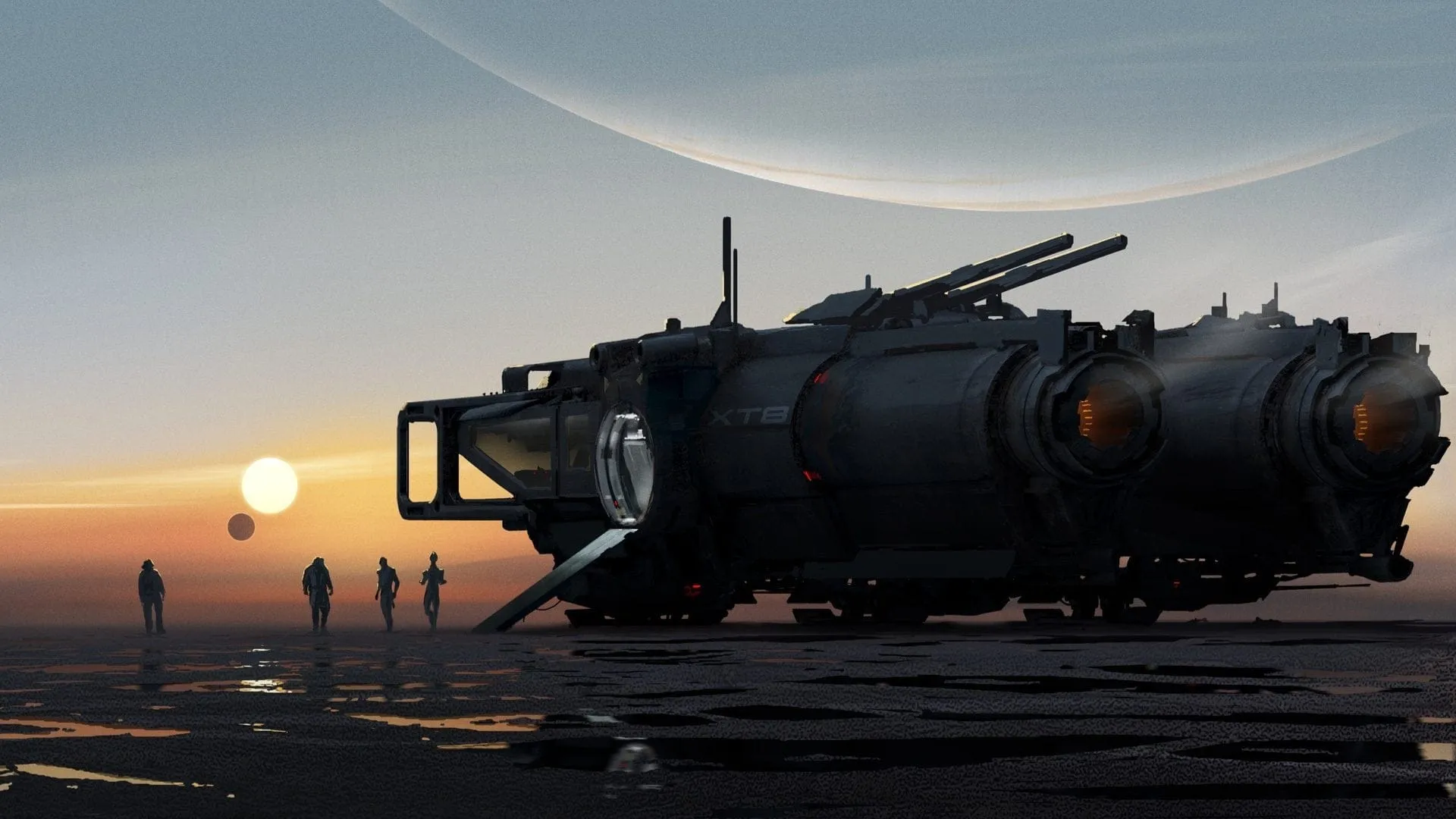
The epic saga of the Mass Effect universe is currently embroiled in a corporate drama that has sent shockwaves through the gaming community. The beloved RPG studio BioWare is facing shutdown, and the highly anticipated follow-up, Mass Effect 5, is officially canceled. The fallout has been massive, sparking furious debate among fans and developers about the direction of the franchise.
The decision has triggered an immense reaction. Fans and employees have voiced their displeasure through numerous opinion pieces and a petition gathering over 200,000 signatures, demanding that the series be saved from limbo. The frustration stems from the perception that the corporate overlords at Electronic Arts have sacrificed the integrity of the franchise for the sake of private equity debt, prioritizing financial gain over the loyalty of their community.
While the corporate maneuvering dominates the headlines, the true weight of this story lies in the philosophical journey of the Mass Effect universe itself. The franchise has always been defined by a sense of profound fatalism. When Mass Effect 3 launched in 2012, it delivered a narrative of overwhelming despair, positioning Commander Shepard and the galaxy against the unstoppable threat of the Reapers. The tone was one of bleakness, a recognition that even monumental victories felt like mere drops in an ocean of annihilation.
This sense of defeatism—the struggle to hold onto hope in a world facing utter annihilation—feels particularly resonant now than it did a decade ago. The turbulent 2020s have been a relentless cascade of global crises, from climate change and pandemics to social and political upheaval. Experiencing these real-world disasters has underscored the difficulty of processing collective trauma and the erosion of the social contract.
This is where the proposed future, Mass Effect: Universe, enters the conversation. Instead of simply enduring the apocalypse, this planned game aimed to offer an artistic antidote. Set 600 years after the Reaper War, the narrative sought to depict a galaxy that had not just survived, but had actively rebuilt itself. It proposed exploring new alliances and factions, suggesting a path forward rather than just a final, tragic end.
The concept of Mass Effect: Universe offered a necessary counterargument to the grim reality presented in previous entries. It challenged players to imagine a world where rebuilding is possible, offering a dose of hope amidst the current global chaos. While it wouldn’t solve the complex problems facing the world today, art finds its power in processing our experience. It provides a space to reflect on the reality we are living in, even when the future seems uncertain.
Ultimately, the passion surrounding Mass Effect proves that the connection between game, story, and community is powerful. Whether Mass Effect: Universe realizes this potential or not, the controversy reminds us that even in the face of corporate machinations, the desire for meaningful, hopeful narratives remains a vital force in the world of interactive storytelling.
Buy on Amazon
Credit