Mass Effect Hitman Freedom and the Galactic Cold War
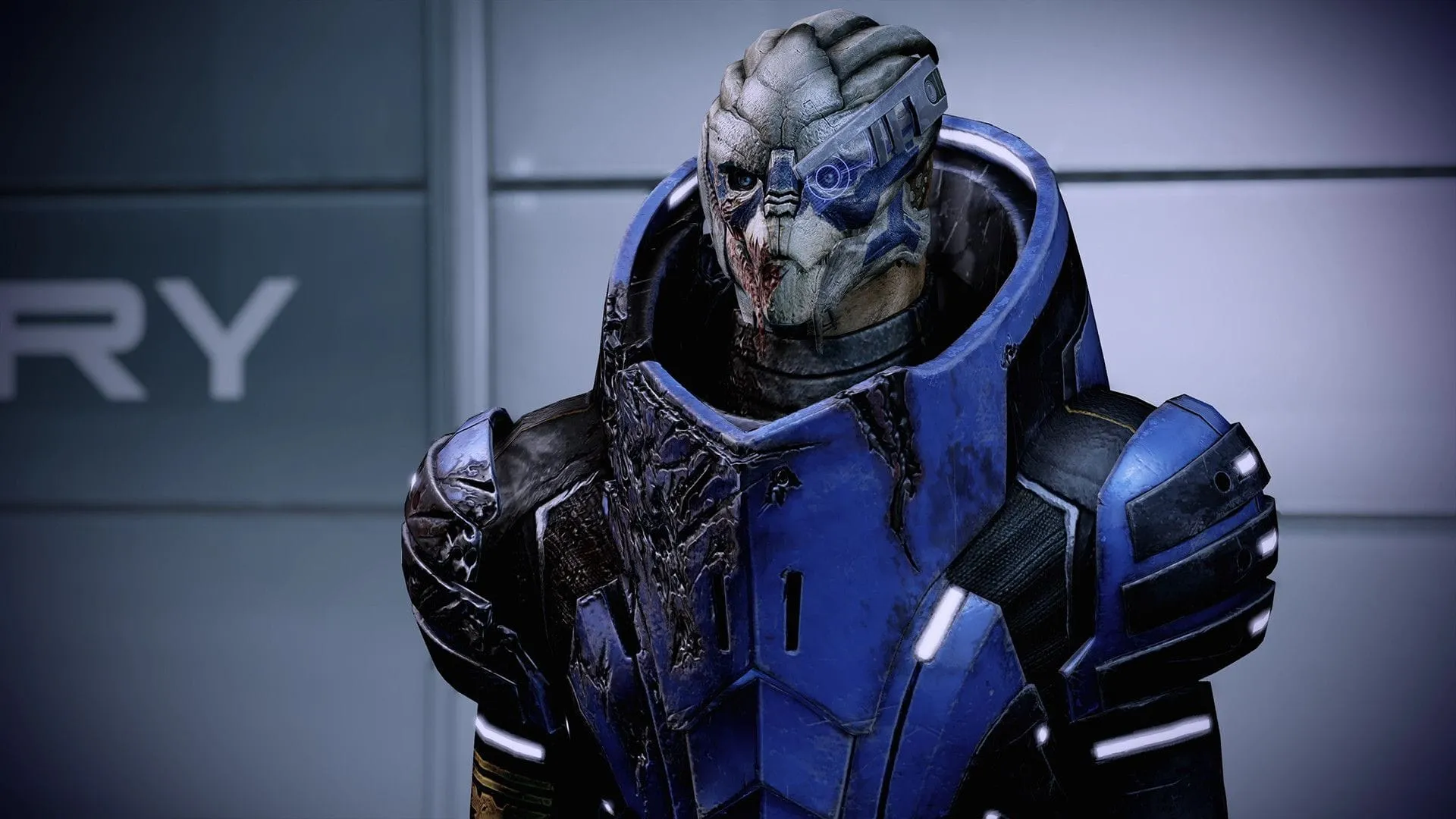
The legend of the Mass Effect universe hit an abrupt pause following the demise of its developer, BioWare. However, while the game itself is gone, the echoes of what might have been are starting to ring loudly in the gaming community, painting a vivid picture of a galactic conflict far more intricate and thrilling than many realized.
New details, spilled from the depths of the development process, suggest that the scrapped Mass Effect project was shaping up to be a masterclass in high-stakes espionage and epic drama. Think less sprawling open world, and more a sophisticated, interstellar Cold War involving three major factions, all locked in a deadly struggle for dominance.
The community has been instrumental in reviving these concepts. Information has surfaced from those who participated in the player council, offering tantalizing glimpses into the vision BioWare was pursuing. These insights point toward a narrative set over six hundred years after the original trilogy, where the focus shifts away from the Reaper threat and into a complex, personal galactic feud.
If the game had been realized, players would have stepped into the boots of an N7 agent—a figure described as a blend of John Wick’s tactical precision and James Bond’s suave execution. This reimagining promised a departure from traditional space opera, focusing instead on intricate mission design.
Instead of large, sprawling environments, the game was rumored to feature handcrafted, linear missions that offered players the freedom to approach objectives in countless ways. This approach introduced stealth and tactical freedom, heavily inspired by the mechanics found in the Hitman series.
The focus wasn’t just on combat; it was on infiltration. Players would have utilized gadgets, experimental technology implants, and hacking skills to navigate treacherous political landscapes. This blend of action and stealth suggested a deeper layer of systemic interaction, demanding cunning over brute force.
Adding to the rich tapestry of gameplay was the promise of deep, emotionally complex relationships. Development reportedly included nuanced romance options and squadmates capable of internal conflict, injecting intense personal stakes into the grand galactic war. Lore also promised powerful figures, such as Liara, who had reportedly evolved into an incredibly powerful Asari Matriarch over the centuries.
These concepts weren’t just discarded; they were reportedly further developed than previously suggested, hinting at a vision that was truly special—a response to the ambition seen in other massive RPGs. It seems the potential for a Mass Effect universe lay not just in epic scope, but in the intimate, deadly, and morally gray choices that defined its characters and conflicts.
Buy on Amazon
Credit