Masters of Albion goes from sketch to painting
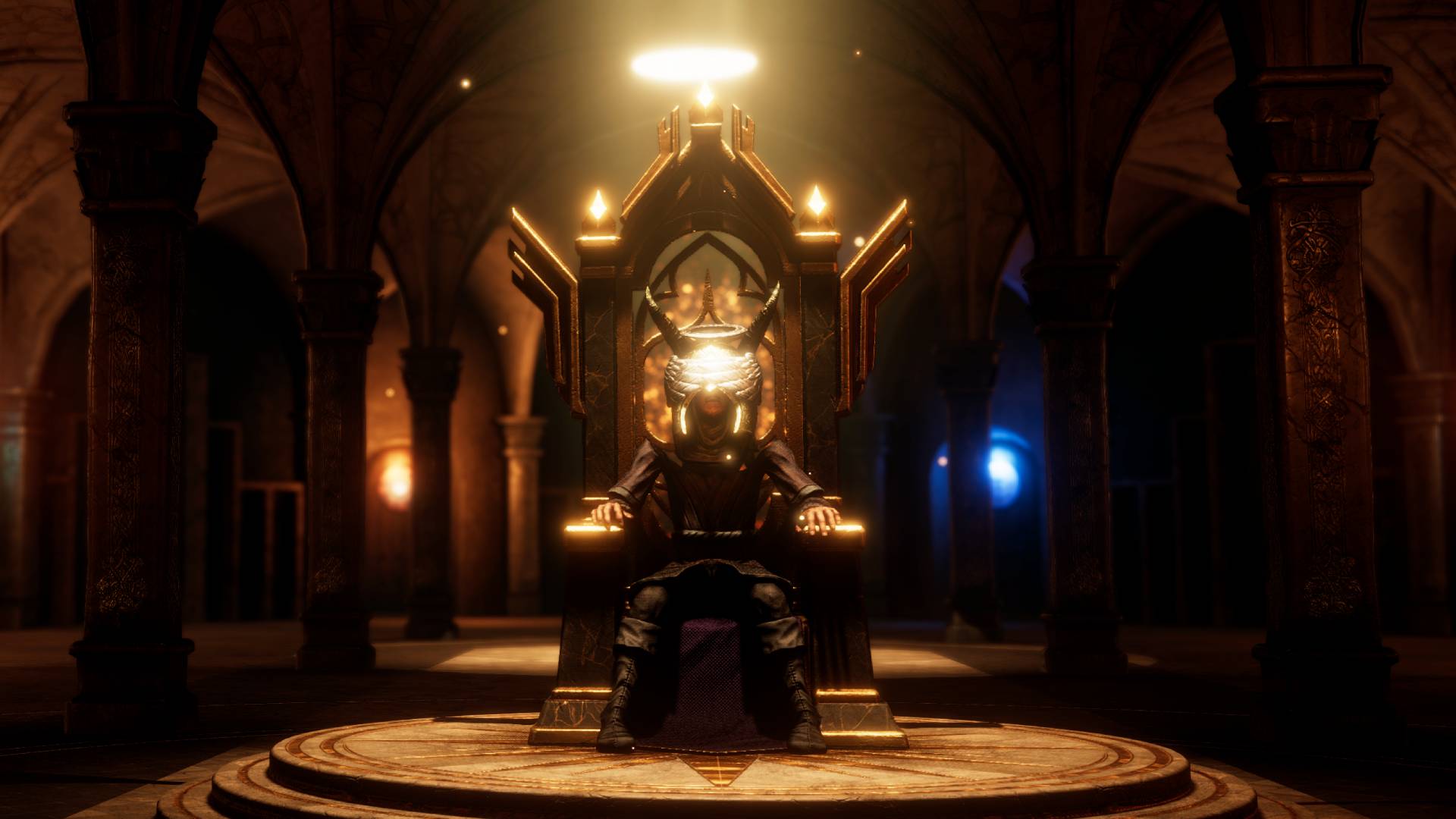
When you look at Masters of Albion, you are not just observing a new strategy title; you are witnessing a carefully curated retrospective. In theory, this game marks the end of Peter Molyneux’s prolific creative journey, but in practice, it feels less like a conclusion and more like a grand, affectionate amalgamation of his greatest hits.
The design philosophy is rich with recognizable echoes of Molyneux’s established work. Players immediately encounter the signature God Hand mechanic, a familiar touch that evokes the classic dynamics found in titles like Black & White. This core interaction seamlessly blends with the strategic depth inherited from Dungeon Keeper, which has been brilliantly reimagined and revitalized for a contemporary audience.
Yet, the true magic lies in the spirit woven throughout the experience. Beyond the mechanics, the game retains the irresistible, deeply charming atmosphere of the Fable series. It is this delightful blend of classic fantasy charm, innovative systems, and intricate world-building that elevates Masters of Albion from a mere collection of mechanics into a genuinely captivating experience.
The result is a game that honors Molyneux’s legacy by taking beloved elements and forging them into something new—a testament to enduring design and a truly satisfying journey for players who appreciate the history of deep, engaging simulation games.
Buy on Amazon
Credit
