Meta’s $1,300 VR Glasses: The Most Expensive Xbox Gaming
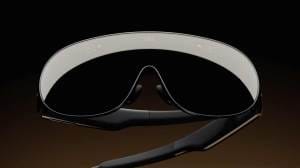
Meta’s Next Leap: How VR Glasses Aim to Redefine Personal Computing
For years, the virtual reality landscape has been dominated by Meta’s Quest line, offering excellent entry-level hardware. But as the VR industry evolves, Meta is preparing to launch a new wave of innovation with their upcoming VR glasses, promising a significant shift from bulky headsets to truly portable visual experiences. Set to debut in Spring 2027, these new devices aim not just to entertain, but to fundamentally change how we interact with media and the digital world.
The real intrigue lies in the design philosophy. While previous models delivered powerful performance, the new VR glasses prioritize portability. Meta claims these glasses weigh a mere 100 grams, achieved by housing all necessary technology within a pocket-sized unit tethered by a small puck. This focus on lightness suggests a move toward truly wearable technology, making immersive experiences accessible for longer periods without the usual bulk.
Under the hood, these glasses pack serious computational muscle. They are powered by a Qualcomm Snapdragon Reality Elite chipset, paired with 12GB of RAM and 128GB of storage. The visual experience is equally ambitious, featuring 5K Micro OLED lenses capable of outputting 2412 x 2288 pixels per eye at a smooth 120Hz refresh rate. This level of resolution promises stunning visual fidelity, setting a new benchmark for virtual reality displays.
Beyond gaming and standard VR, Meta is pushing the boundaries of what a virtual presence can be. A major feature touted is the introduction of Holograms—photorealistic avatars that offer a way to interact with others. Similar to the advanced personas seen in other high-end VR systems, these holograms aim to bring realistic interaction to social VR environments, though Meta is working on evolving this technology beyond the current flat stereoscopic video stream.
Furthermore, the glasses are positioned as a cinematic experience. They are designated as “IMAX-Enhanced certified,” meaning they support the Dolby Vision HDR format, allowing users to watch breathtaking 3D movies in an immersive environment. When they launch, users will immediately gain access to a library of 75 games, all playable with just their hands, or they can serve as a dynamic second-screen display for external gaming consoles.
While the technical specifications are impressive, the elephant in the room remains the price tag. With an anticipated launch cost of $1,300, these glasses are significantly more expensive than the existing Quest 3 headset and multiple times pricier than the Quest 3S. This high cost presents a significant hurdle for mass adoption, challenging the idea of bringing cutting-edge visual technology to the mainstream consumer market immediately.
Despite the financial challenge, the potential for pure VR gaming remains compelling. Given the robust library of games already available on the Meta platform, and ongoing support for new titles, these glasses could still offer a solid path forward for dedicated gamers. For those seeking high-end, affordable alternatives that offer significant visual immersion, options like the Viture Beast and Pro 2 XR glasses should also be considered.
Ultimately, Meta’s new VR Glasses represent a bold, high-stakes gamble. They push the limits of hardware, optics, and social interaction, promising a future where virtual reality transcends simple gaming to become a versatile and deeply immersive mode of personal computing. Whether they succeed in making the futuristic vision affordable remains the great question for the coming years.
Buy on Amazon
Credit
