Meta’s MR division hemorrhages $4.6 billion
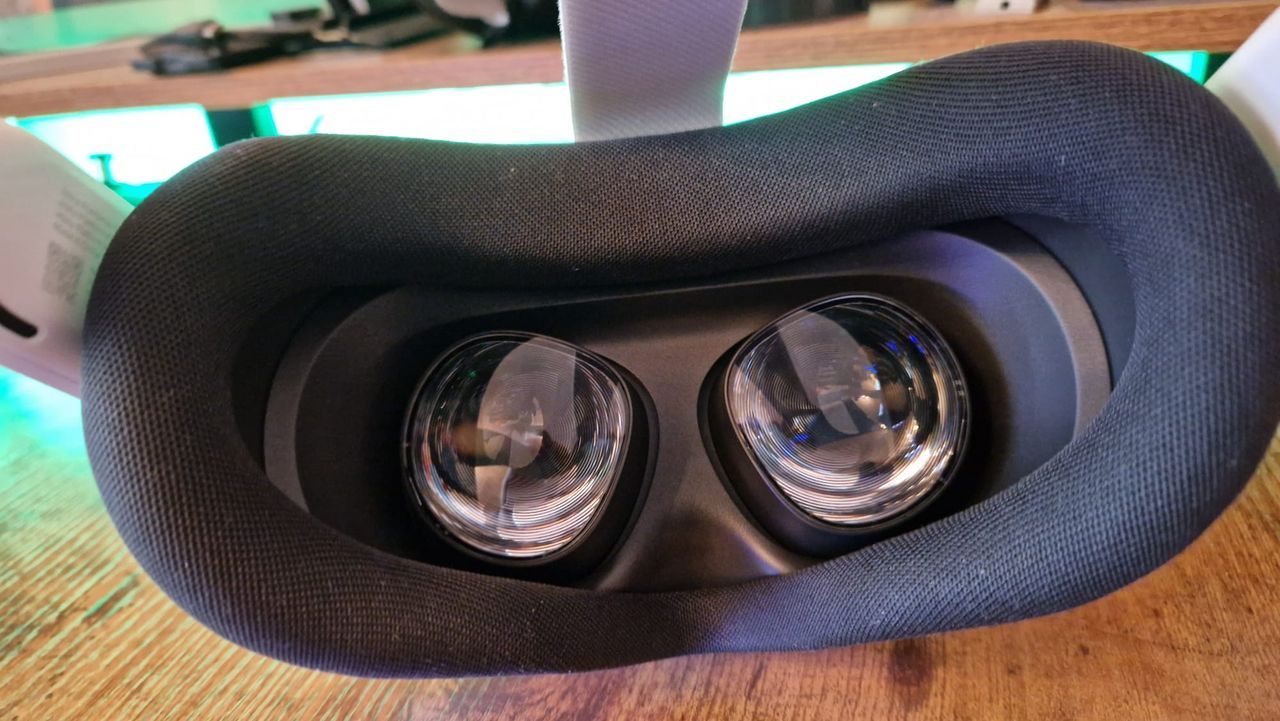
The pursuit of the Metaverse, while sounding like a vision of limitless digital possibility, has proven to be an incredibly costly endeavor for Meta’s Reality Labs division. In 2026, the financial picture paints a clear, if sobering, reality: continuous investment is outpacing profitability.
Reality Labs faced a particularly challenging period, revealing significant quarterly losses that underscore the sheer scale of the R&D commitment required to build the next generation of virtual and mixed-reality devices. The figures for the second quarter of 2026 showed a loss of $4.6 billion, continuing the trend seen in the previous quarter.
These numbers are not anomalies; they reflect a consistent pattern of massive outlays. In fact, these losses are consistent with Reality Labs’ performance since 2023, with the worst quarter ever recorded being Q4 2025, which saw a staggering loss of $6.02 billion. This historical context highlights that drastic measures were necessary at the start of 2026 to manage the escalating financial demands.
Despite these heavy losses, the division managed to generate some revenue, with Q2 2026 revenue reaching $431 million, an increase compared to the previous year. Yet, as many observers note, this revenue is being completely swallowed up by operational costs and ongoing development expenses.
The strategy of raising prices on mainstream headsets like the Quest 3—devices that have long been popular due to their approachable pricing—did little to help Reality Labs balance its books significantly. While consumers accepted the price hikes, the financial equation remained stubbornly unfavorable for the division.
The core of the challenge lies in where the money is being spent. The colossal losses stem from the necessity of investing heavily in research and development and manufacturing new hardware. Developing cutting-edge virtual reality experiences and next-generation headsets requires immense trial and error, a process that is inherently expensive.
Furthermore, the physical production of complex devices like smart glasses and VR headsets is inherently costly. This reality mirrors broader challenges seen across the gaming hardware industry, where selling gaming equipment is not always the most profitable venture, as evidenced by recent declines in hardware sales for major players.
This financial strain is particularly acute when looking at the cost of innovation. While Meta’s Chief Technology Officer has affirmed the commitment to building multiple next-generation headsets, the focus now shifts to finding a more sustainable path forward. The expenditure seems heavily weighted toward R&D and hardware development rather than immediate profitability.
This dynamic is playing out against emerging competition. As the market seeks more robust and lasting experiences, there is growing interest in alternative ecosystems. For example, the anticipation surrounding platforms like Steam’s Frame project has sparked debate about pricing structures, with some suggesting that a higher price point might be necessary to support an enduring VR ecosystem built for the long term.
Ultimately, Reality Labs stands at a critical juncture: balancing ambitious technological goals with fiscal responsibility. The next phase of this journey will depend not only on further innovation but also on successfully navigating the complex economic landscape of developing immersive technology.
Buy on Amazon
Credit