Metro 2039 abandons moral grayness Karma system returns
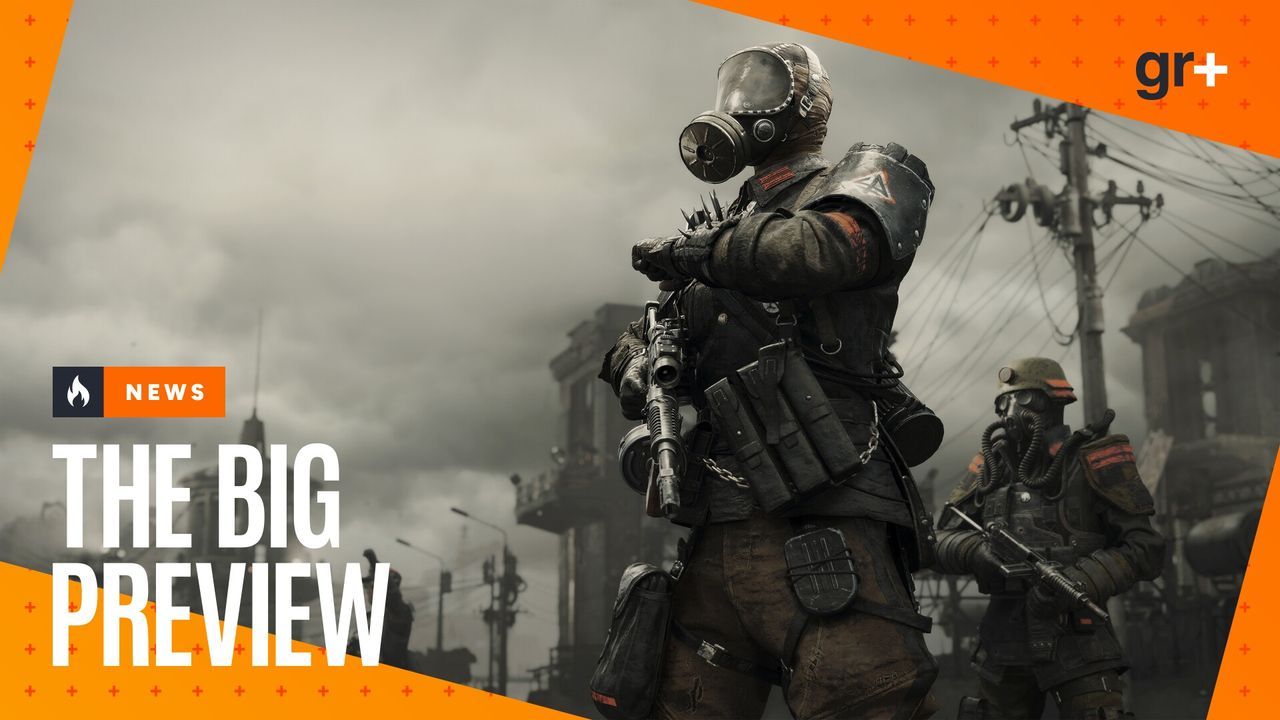
The Metro series has long employed an intriguing system to track the moral compass of its characters, rewarding players with ‘Karma Points’ for their choices. In previous installments like Metro 2033, Last Light, and Exodus, these points operated quietly in the background, subtly influencing the unfolding narrative and demanding a deeper understanding of the Metro and its inhabitants.
Now, as the franchise steers players back into the Metro system with Metro 2039, the framework is evolving. The narrative shifts to a new protagonist, the Stranger, an exile returning to a world now dominated by a single, centralized, and fascist entity: the Novoreich.
This change in setting signals a significant thematic pivot for 4A Games. Executive Producer Jon Bloch explains that the focus of the series is moving away from merely preventing war and toward grappling with its devastating consequences. “Where there was kind of a moral grayness in our previous games, we wanted to make sure that the morality was clear in Metro 2039,” Bloch notes. “There is no hope, no future – except the one the Führer is promising to bring in. Metro 2039 is exploring the consequences of war, because war is here.”
This darker vision naturally prompts a reevaluation of the existing systems. While the core idea—that actions carry consequences—remains central to the experience, the way the Karma system is interpreted must adapt to serve the new, more hostile world of Metro 2039.
Bloch assures that the Karma mechanism remains alive and well for this descent into a more hellish Metro system, but its function will be adjusted. He acknowledges that while the system has always reflected actions, the team is approaching the concept differently to align it with the story’s gravity.
Interestingly, the visual cues for these moral outcomes were deliberately subtle. Experience with the previous titles suggested that the system did not employ explicit visual indicators, such as colored HUD hues, to signal Karma Points. Despite this subtlety, players were still encouraged to observe the environment, explore every corner, and engage with the complex moral dilemmas presented by the world.
With the Stranger now tasked not only with tearing down a fascist empire but also confronting the haunting ghosts of his past, the moral landscape becomes exponentially more fractured. It is clear that 4A Games is forging a unique approach to judging morality in this fractured, war-torn setting, ensuring that the player’s journey through the Metro is as morally ambiguous as the reality it depicts.
Buy on Amazon
Credit