MGS4 Disc Swap Scene Plays Out Differently on Xbox
When legendary games meet modern hardware, the resulting experience is often a fascinating blend of nostalgia and technological innovation. The recent launch of the Metal Gear Solid: Master Collection Vol.2 on the Xbox Series X and Series S provided gamers with a significant opportunity to revisit one of gaming’s most iconic franchises on the new generation of consoles.
This release wasn’t just about new gameplay; it offered something far more engaging: the chance to experience Metal Gear Solid 4 on Xbox. For fans of the series, this means stepping into the world of Snake and the legendary missions, now rendered on the high-capacity media of the Xbox ecosystem.
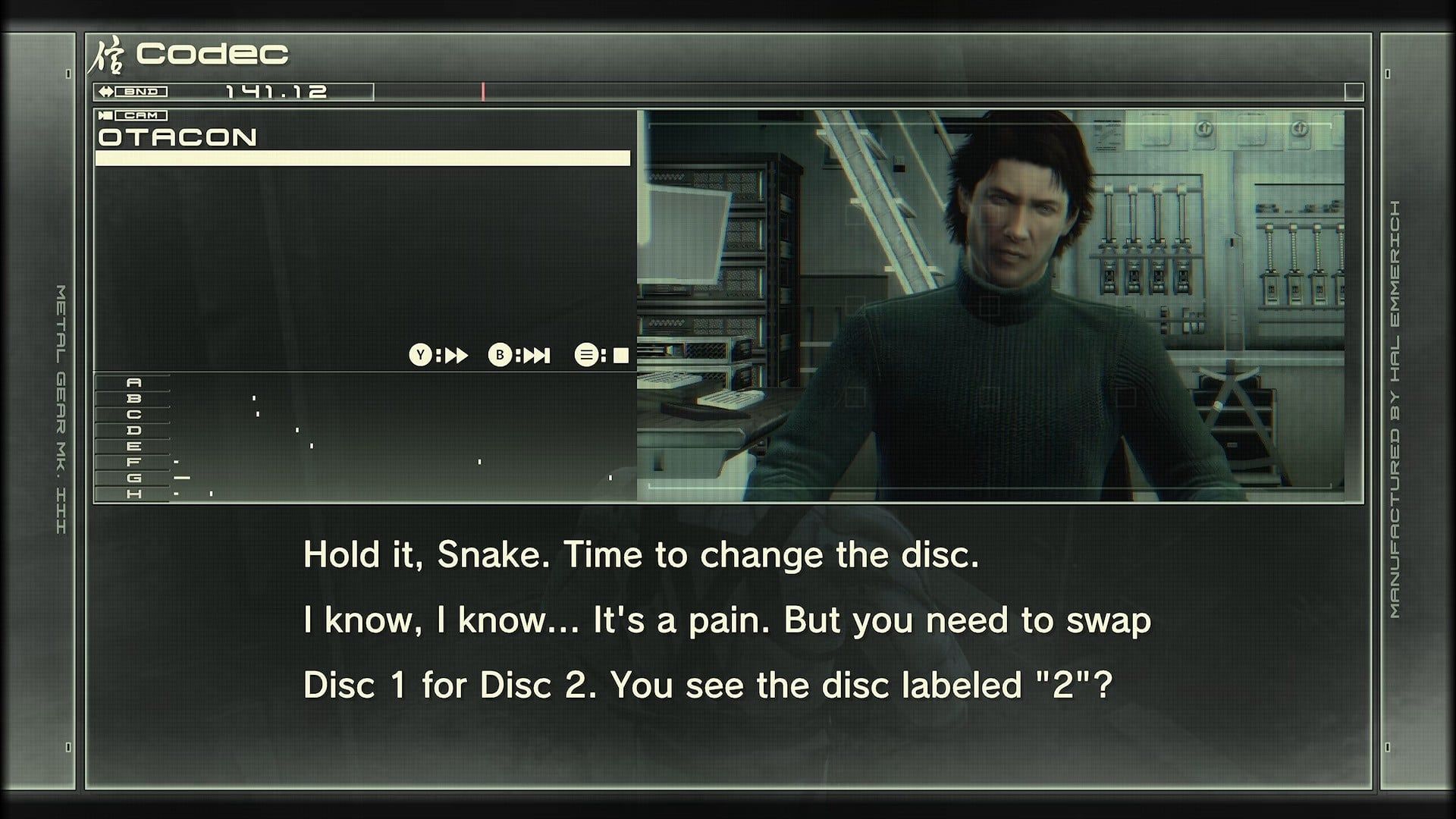
But the true story behind this release involves a subtle but crucial difference in the mechanics of the game itself. Metal Gear Solid 4 is famous for a specific, memorable joke involving Snake and the swapping of game discs.
The lore surrounding this moment is rich: Snake is instructed to change the disc halfway through the game, a maneuver that is meant to cause some confusion for Octacon. This scenario was originally tied to the physical nature of the previous generation’s media, where the PS3’s blu-ray discs were dual-layered, meaning there was no actual need to physically swap the disc.
This context highlights how the transition to modern high-capacity media, like that used on the Xbox, influences the player experience. The way these older mechanics translate across different hardware often reveals deeper insights into how game design evolves and how developers adapt classic scenarios for new systems.
The difference in how this specific scene plays out on the Xbox series allows players to engage with the classic narrative in a fresh, yet equally humorous, light. It’s a perfect example of how console generations don’t just bring new graphics; they reshape the very fabric of game interaction and narrative setup.
The new collection doesn’t just offer nostalgia; it offers a nuanced look at how timeless jokes are adapted and presented across different technological landscapes. It’s a reminder that sometimes, the most engaging details lie in the subtle differences of the experience.
Buy on Amazon
Credit