Microsoft stops Ninja Theory to save Hellblade developer
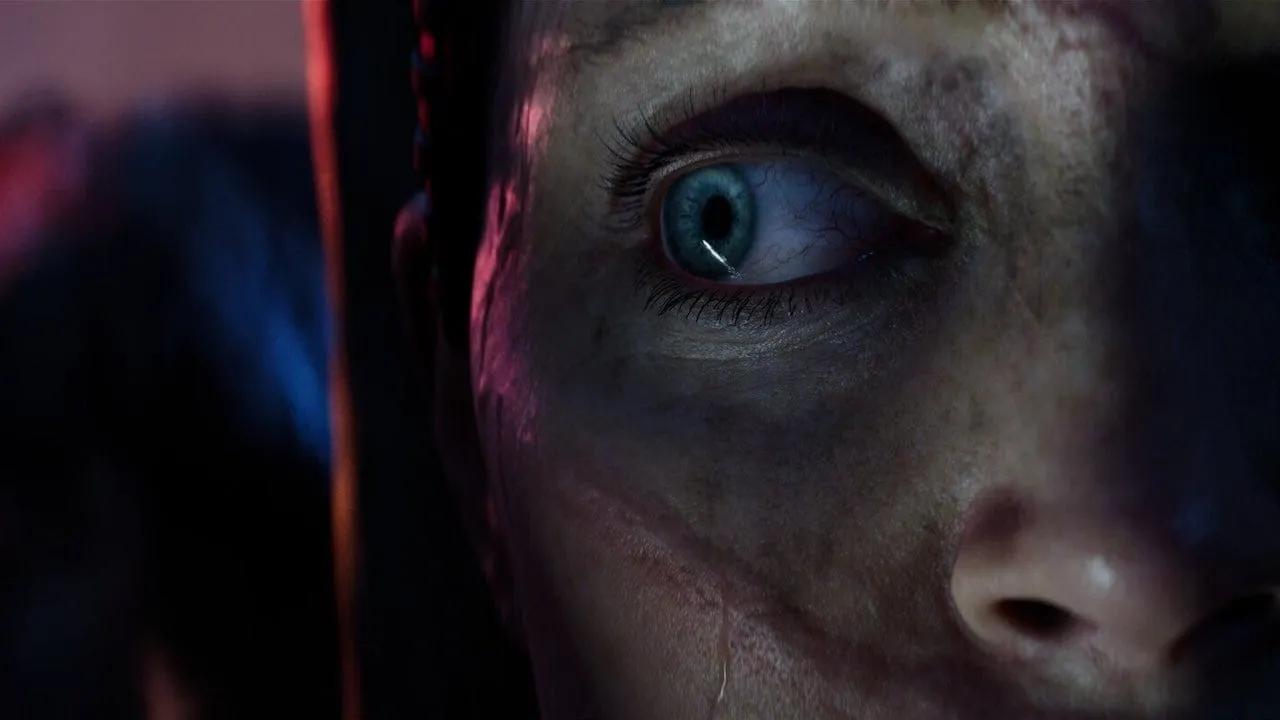
The world of gaming studios is currently grappling with a corporate reality check, as Microsoft signals its intention to close down the celebrated Hellblade developer, Ninja Theory. This decision follows the collapse of two separate deals meant to save the Xbox studio, kicking off a saga that highlights the often-brutal intersection of artistic ambition and corporate strategy.
In line with UK employment law, Microsoft has initiated consultations with the staff at the Cambridge-based studio. While the official line is that the company is working toward closure, the underlying message is clear: the future of Ninja Theory, and the Hellblade franchise, is uncertain.
The shift in tone came swiftly. Just months earlier, optimism had been high following Microsoft’s announcement of Senua, the third installment in the Hellblade series, during the Xbox Games Showcase in June. At that time, there was little public concern regarding the studio’s stability.
But that hopeful mood quickly dissolved when new leadership brought a stark reality to the forefront. The arrival of new Xbox CEO Asha Sharma and her subsequent “reset” memo suggested a sweeping strategy of mass layoffs and studio closures. This strategy soon put Ninja Theory among the studios facing the corporate chopping block.
The public perception of this shift was baffling. How could a company announce a major new title like Senua and then, mere days later, signal plans to shut down the creative team? Whispers suggested that Microsoft might have planned to close or spin off Ninja Theory once Senua was revealed, hoping the promise of a new game would attract investor interest.
Clearly, that calculated maneuver hit a snag. The plan, it seems, failed to materialize. The story underscores a recurring tension in the gaming industry: the delicate balance between nurturing creative IP and pursuing aggressive, profit-driven corporate restructuring.
Ninja Theory‘s Hellblade games have faced commercial hurdles, and the current corporate focus at Microsoft is squarely on massive franchises like Minecraft, Fallout, and the Elder Scrolls. The company is doubling down on these established properties in a bid to maximize revenue and profitability across the Xbox ecosystem.
As the spotlight shifts to these behemoths, the fate of smaller, ambitious developers like Ninja Theory remains a poignant example of how large corporate shifts impact the creative landscape. The question now is whether the potential for a last-minute agreement can rescue not just the studio, but the legacy of the Hellblade world.
Buy on Amazon
Credit