Microsoft’s $1200-$1800 price for Project Helix
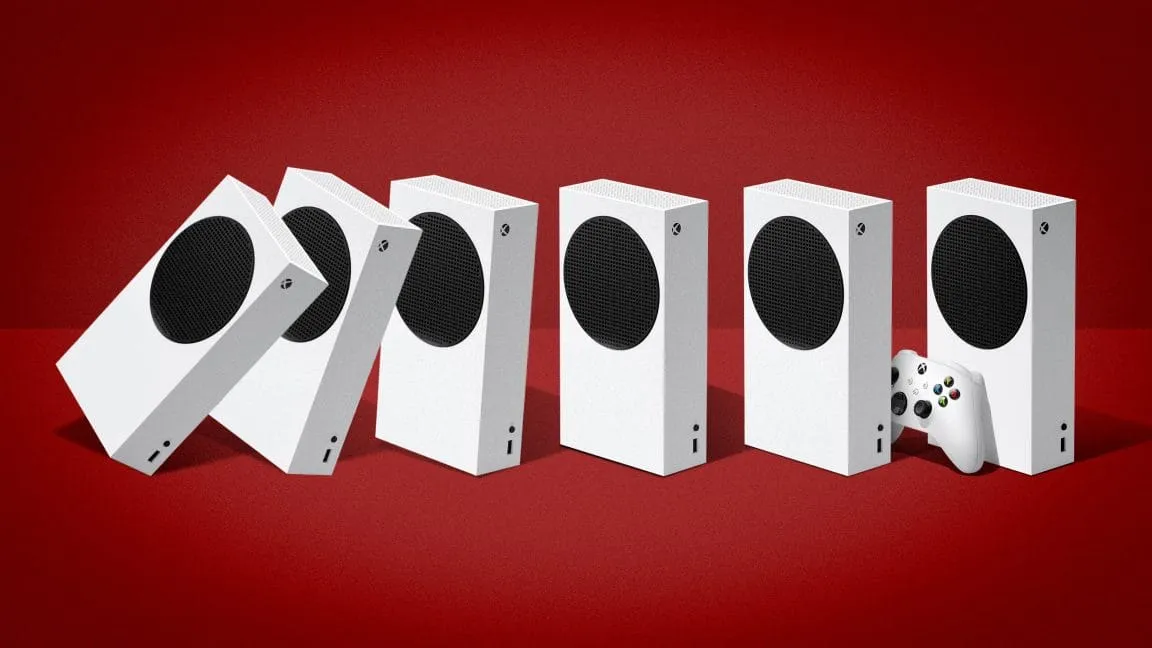
The future of gaming hardware is being quietly rewritten by Microsoft, aiming to blend the power of Xbox and PC gaming into a single, unified experience under the banner of Project Helix. While specific details about the device are still emerging, the underlying strategy signals a major shift in how gamers will interact with their favorite titles.
This ambition isn’t just about combining platforms; it’s about redefining the handheld experience and establishing a new standard for console value. Microsoft is pursuing a dual release strategy: a next-generation handheld device slated for release by the end of next year, followed by a full console launch targeted for the 2028 holiday season.
When it comes to pricing, the future console is expected to land in the range of $1,200 to $1,800. This projection, developed internally by the company, sets a high bar for the market, prompting questions about the cost of cutting-edge gaming technology in a challenging economic landscape.
However, this projected cost needs to be viewed within the current context of the gaming industry. The high estimate is a reflection of broader economic realities affecting hardware manufacturing. The slowdown in Moore’s Law and persistent shortages in essential components, driven partly by AI-driven component demands, have made cutting-edge hardware significantly more expensive than in previous generations.
The market has already seen signs of this inflationary pressure. For instance, while the Steam Machine managed to break the $1,000 barrier, other systems are adjusting their prices accordingly. The PlayStation 5 Pro is now commanding a price point around $900, and the Xbox Series X has seen its starting price drop to $750, illustrating a trend toward more accessible, yet still premium, hardware.
Ultimately, whether Microsoft can deliver Project Helix at a competitive price will depend on its willingness to implement subsidies. As many console manufacturers have done in the past, Microsoft’s decision to subsidize costs could help ease the financial burden on consumers and make this next generation of gaming hardware an accessible reality for everyone.
Buy on Amazon
Credit