Mighty Mike Plays $118k allegedly cost his dad
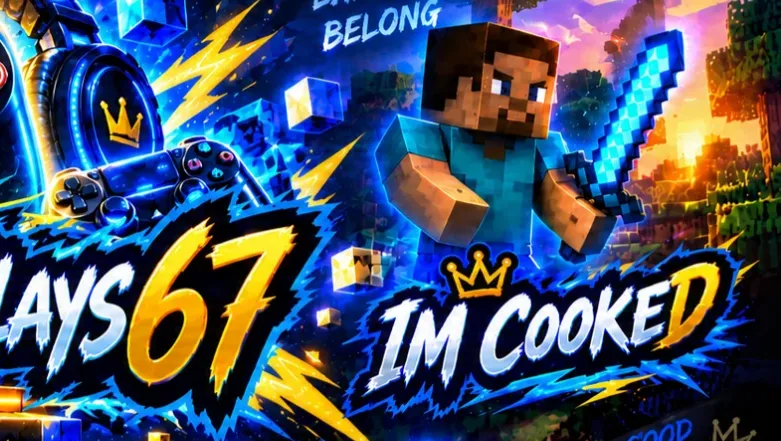
In the world of online gaming, there are stories of skill and creativity, and then there are stories of staggering financial complexity. The tale of Mighty Mike Plays is one of the latter—a saga that has captured the internet’s attention by blending innocent gameplay with a massive, unexpected financial whirlwind.
What began as a seemingly sweet story about a nine-year-old gamer and his dad uploading videos of Minecraft and Roblox quickly evolved into a landmark case study on online monetization, parental awareness, and the rapid rise of artificial intelligence in commerce. It is a narrative that forces us to pause and consider the intersection of childhood innocence and adult financial responsibility.
The story gained serious traction when it was revealed that the channel had amassed a staggering $118,000 in ad revenue, paid for using the family’s business credit card. This wasn’t just pocket change; it represented a high-budget, highly successful campaign that unfolded largely under the radar of the parents involved.
The scale of the operation quickly became the focal point of public debate. While the content itself focused on gaming, the underlying financial activity prompted intense scrutiny. The details surfaced regarding how the money was generated, leading to questions about the oversight and transparency surrounding a child managing such a large enterprise.
The implications rippled outward, prompting a complex reaction from the community. Some viewers sympathized with the young creator and his family, while others raised serious concerns about the ethics of the situation, particularly the use of a parent’s credit card and the management of such substantial funds by a child.
As the spotlight intensified, the channel transitioned from mere content creation to a merchandising enterprise. Mighty Mike Plays launched an official website offering T-shirts, which became a new layer to the unfolding narrative. These merchandise items utilized AI-generated designs, incorporating memes and quotes from the channel, with prices ranging from $67 to $97. This shift added an entirely new dynamic to the public discourse surrounding the story.
This merchandising phase further highlighted the role of technology, with creators reportedly using AI tools to rapidly generate the designs. This sparked a debate about the boundaries of creative freedom and the ethics of employing artificial intelligence in commercial endeavors, especially when involving minors.
The public and the creator faced the challenge of balancing the online attention with the reality of the situation. Despite the platform’s massive reach, many observers pointed out a lack of concrete proof regarding the exact financial damages, leading to ongoing skepticism. The story ultimately became a potent reminder that behind viral content and digital trends, there are often complex, real-world financial and ethical dimensions waiting to be explored.
Buy on Amazon
Credit