Mike Ybarra props Xbox after Microsoft’s bloodbath
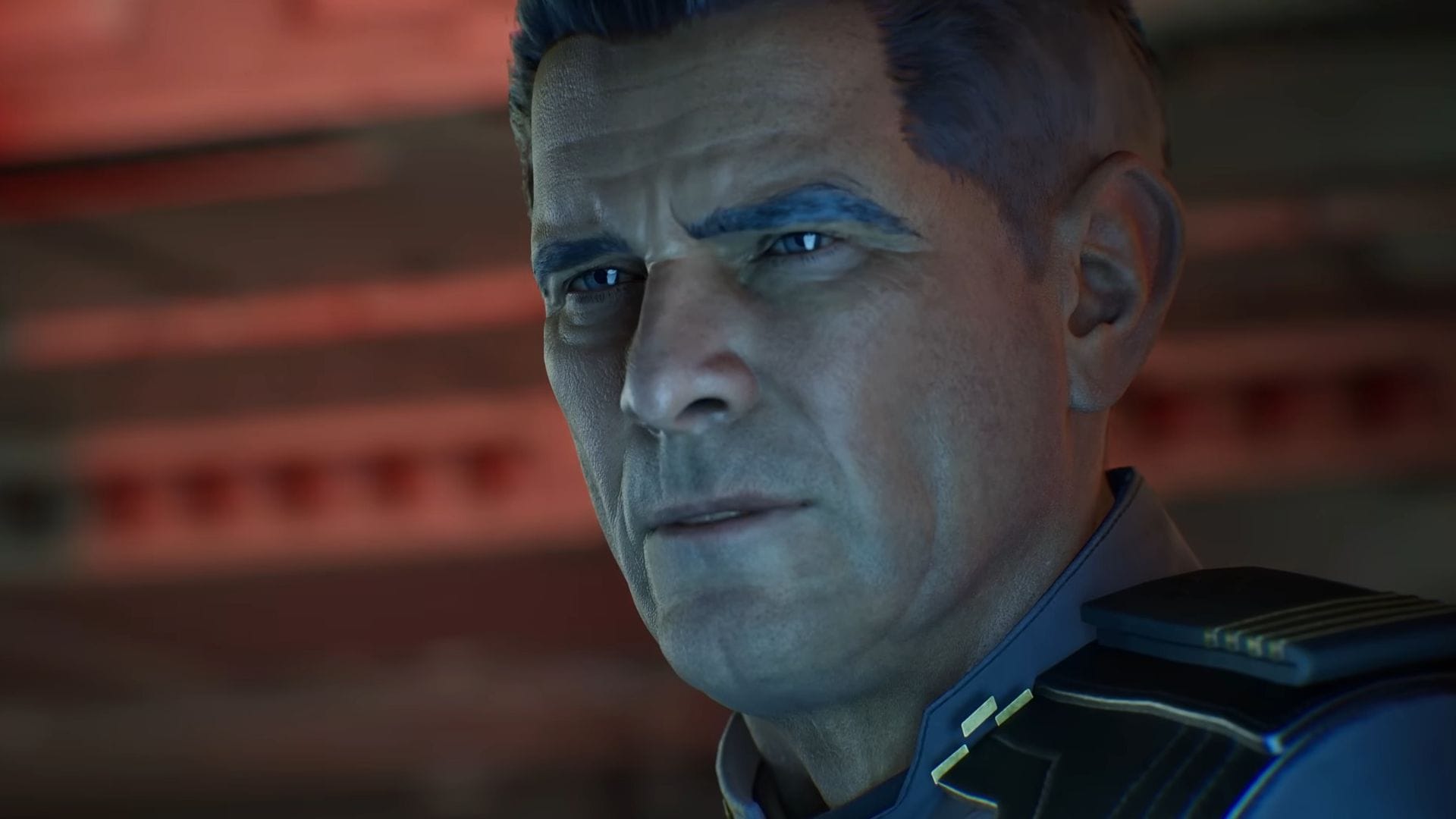
The world of gaming is currently buzzing with a significant shift in corporate strategy, particularly concerning the venerable Halo franchise. Amidst recent layoffs at Microsoft and the relocation of the Halo intellectual property to Activision, a fascinating story about freedom, legacy, and the future of game development is unfolding.
For many fans, this corporate shakeup signals more than just a change in ownership; it feels like a welcome exhale. Former Blizzard president Mike Ybarra, who is clearly thrilled by the transition, has framed the move as a monumental win for the franchise, calling it “the best news in a decade plus” for those who love the Halo universe.
Ybarra highlighted the restructuring of Halo Studios, noting that hundreds of roles were eliminated, and the studio has been streamlined to a smaller team focused on supporting the community as Activision takes the helm of the next chapter. This move places the stewardship of the franchise with a team known for its roots in classic game development, including figures like Rob Kostich, executive vice president and head of development David Stohl, and creative head Patrick Kelly.
The shift naturally brought into focus the theme of what truly matters in the industry. Ybarra suggested that these new leaders, drawn from the development scene, are simply focused on making the best game possible, free from corporate noise. This sentiment rings true for many who seek an escape from the political complexities that often muddy the waters of public discourse.
This desire for a distraction from real-world conflict extends directly to the gaming experience. As Ybarra reflected, players want to escape reality for a bit of sanity, and the games they engage with should offer that escape. It is ironic that a franchise as seemingly apolitical as Halo—dealing with themes of militarism and warfare—is now being overseen by a shift that emphasizes pure creative vision over external political pressures.
The outcome, however, has sparked broader conversations about the treatment of game developers themselves. Critics have pointed to this reshuffle, which also saw other studios, like Obsidian, swept under Bethesda‘s management, as a stark example of how companies treat creators. When large corporations consistently reorganize, cut staff, and rearrange creative oversight, the underlying question remains: are game developers seen as essential creative partners, or merely replaceable resources?
Despite the corporate restructuring, the ambition remains focused on the product. Activision has publicly stated their goal is clear: “make the greatest Halo game ever”, honoring the universe’s legacy while staying true to what initially made players love it. This bold ambition puts the spotlight squarely on the creative team, signaling a commitment to delivering an experience that blows players away.
Ultimately, the saga of Halo’s transition is more than just an internal corporate maneuver. It’s a reflection of how we navigate the intersection of business, creative talent, and personal freedom—a reminder that in the evolving landscape of gaming, the focus can be on the fun, the legacy, and the pursuit of sanity.
Credit
