Minecraft Creator fights ESA over illegal private servers
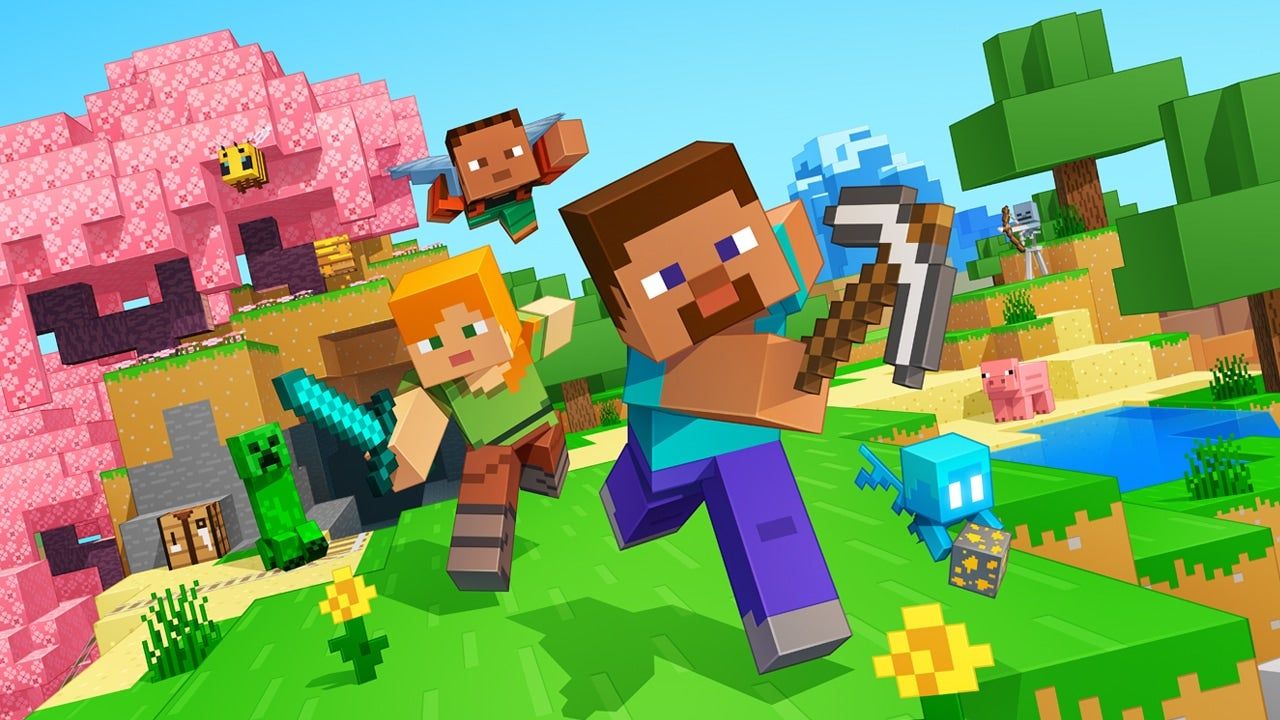
The digital world of gaming is often a battleground for intellectual property, and recently, the controversy centered on whether private servers—a popular community feature—should be viewed as legal or illegal.
This dispute flared up during a hearing in the California State Senate regarding the Protect Our Games Act, a bill designed to force game publishers to ensure games remain playable even after official support has ended. As lawmakers explored solutions for sustaining live-service games, private servers emerged as a potential avenue. This led the Electronic Software Association (ESA) to raise concerns about these unofficial setups.
The ESA’s stance was particularly sharp when addressing Minecraft, citing its use by players as an example of unauthorized activity. The association’s representative went as far as labeling private servers as illegal or a form of piracy, suggesting they operated in a kind of gaming black market and were unsanctioned by Microsoft.
However, the creator of Minecraft, Markus ‘Notch’ Persson, quickly stepped into the fray to challenge these assertions. Despite no longer actively working on the franchise, Notch voiced his displeasure, describing the association’s comments as scummy and bordering on evil, feeling that his work was being unfairly used against him.
Notch firmly asserted that this characterization was untrue. He pointed out that Mojang actively encourages the creation of private servers and provides players with the necessary tools to do so, effectively making these systems sanctioned by the game’s developers themselves.
The ESA subsequently offered updated statements regarding the issue. While they maintained that private servers that distribute copyrighted content without authorization infringe on intellectual property rights, they acknowledged some nuance.
The updated position highlighted concerns that unauthorized private servers operate without publisher oversight and do not adhere to industry trust and safety standards. This lack of oversight, the association argued, could create an unsafe environment for players, which runs counter to the commitment to fostering safe and fun gameplay.
Ultimately, the debate underscores a broader tension in the gaming industry: balancing the rights of large publishers with the creative freedom and community-driven innovations that thrive outside official channels. Whether private servers are seen as piracy or legitimate alternatives remains a complex issue balancing intellectual property law against player autonomy.
Buy on Amazon
Credit