Missing Black Flag’s environmental finishers
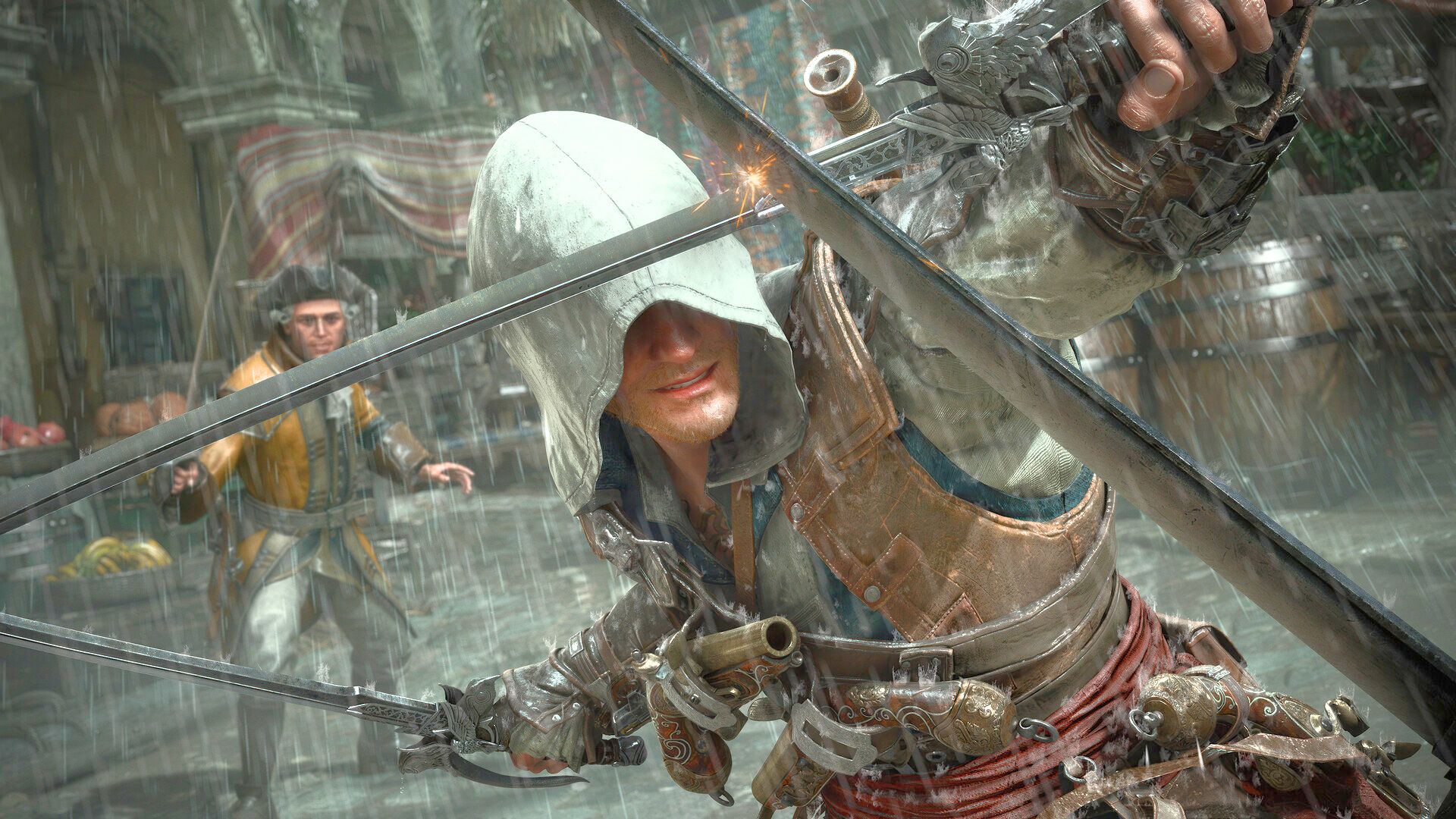
The Art of Disinterest: Why Assassin’s Creed Black Flag Lets Assassins Sail
In a franchise built on stealth, hidden blades, and deadly philosophy, Assassin’s Creed Black Flag carved out a unique niche by deliberately ignoring the traditional dogma of the assassin. Far from immersing players in the grim world of clandestine assassinations, the game instead throws its protagonist into the exhilarating reality of high-seas adventure, piracy, and pure, unadulterated freedom.
The core joy of the experience lies in the complete disinterest shown toward the assassin life. As our protagonist, Edward Kenway, sets sail across the Caribbean, he treats the iconic wrist-mounted hidden blades not as tools for silent execution, but as mere trinkets to be discarded.
Why bother with a deadly secret identity when one can chase the horizon and plunder the wealth of the world? Edward Kenway’s true calling is the open sea. His focus is on mastering the winds, navigating treacherous waters, and engaging in the brutal, yet liberating, world of piracy. The quest for treasure and survival takes precedence over philosophical assassinations.
This narrative choice transforms the experience from a grim historical fantasy into a vibrant maritime epic. It swaps the shadows of clandestine kills for the dazzling chaos of naval battles and the thrill of taking down rival ships. The game allows players to explore themes of ambition, freedom, and consequence without being shackled by the inherent conflict of the Assassin Brotherhood.
Instead of focusing on eliminating targets, the player is encouraged to focus on accumulating power and navigating the political and physical dangers of the pirate life. It’s a masterful shift that reminds us that true adventure doesn’t always require a hidden blade; sometimes, the greatest weapons are the sails themselves.
Buy on Amazon
Credit