Miyamoto on Ocarina of Time remakes and why players skip originals
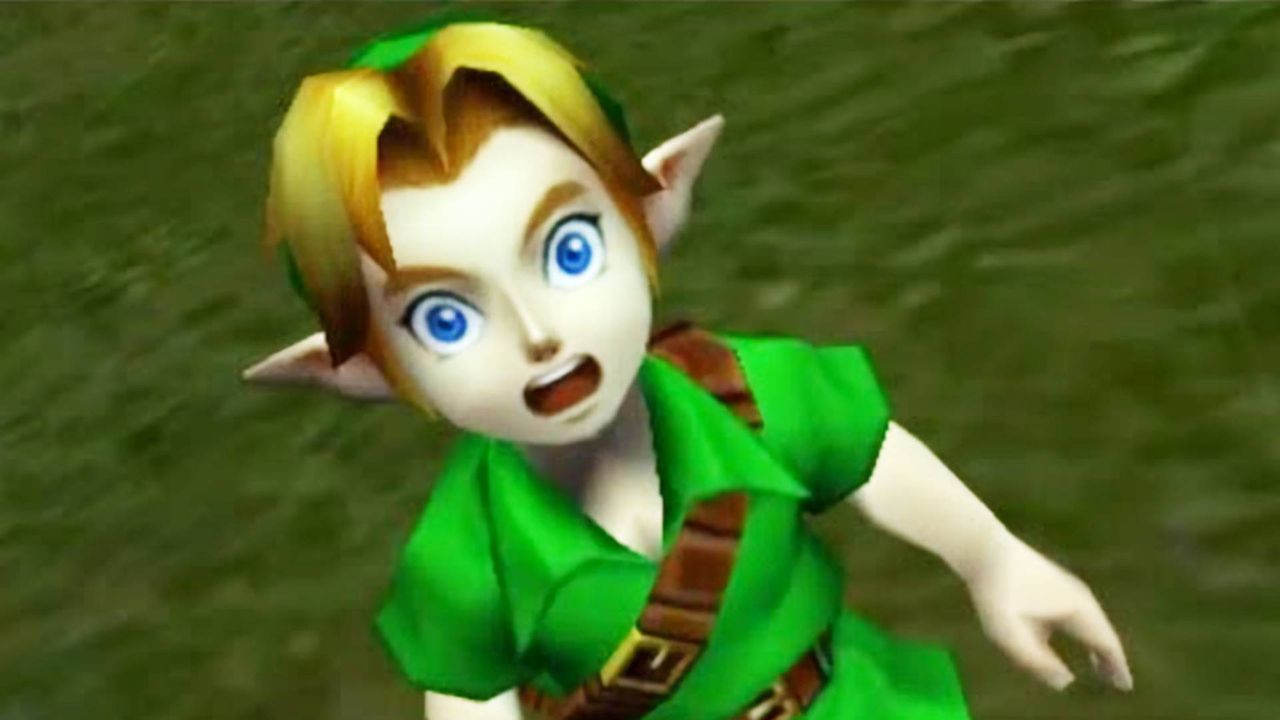
When you look at Nintendo’s release calendar—dotted with classics like The Legend of Zelda: Ocarina of Time and Star Fox remakes—it’s easy to feel like you’ve been zapped into the nineties. But beneath the glossy surface of nostalgia lies a deeper conversation about creativity, attention spans, and the very definition of innovation.
Mario creator and Nintendo director Shigeru Miyamoto, who has seen it all, offers a thoughtful perspective on this trend. While fans often point to the sheer volume of remakes, Miyamoto suggests that history is often the most effective roadmap for the future. He argues that releasing remakes is simply a practical way to meet current demand.
“Some people might say there are a lot of remakes,” Miyamoto shared in a recent interview, “but after five years, a lot of people have outgrown games and stop playing them.”
This observation touches on the perennial tension between preserving history and forging new paths. Some might argue that dedicating massive resources to rehashing older titles stunts true creative development. However, Miyamoto believes Nintendo is using these resurrections not just as a time capsule, but as a bridge to attract a new generation.
He explains that the strategy serves a crucial purpose: “Young people today don’t have the opportunity to play games from ten years ago, so remaking them to be more playable and releasing them again is a good way to meet the demand.”
Yet, this approach invites healthy skepticism. Is nostalgia enough? Some wonder if rehashing the past risks burying the groundbreaking originality that made Nintendo a global powerhouse in the first place.
Former Nintendo marketing leads Kit Ellis and Krysta Yang recently voiced these concerns, expressing worries that a company as creative as Nintendo might settle into being merely a nostalgia act. They felt that innovation should not be sidelined in favor of repetition.
Miyamoto, however, remains optimistic. He suggests that revisiting older titles provides valuable data for future development: “Letting people know the original games also leads to future developments, so we’ve been actively pursuing that recently.”
Ultimately, the story of Nintendo’s remakes isn’t just about old games; it’s about how a legendary developer navigates the evolving landscape of gaming. It asks whether relying on familiar nostalgia is enough, or if true creative genius can continue to surprise us by delivering something undeniably new.
Buy on Amazon
Credit