Miyamoto slams profits that burned out talent
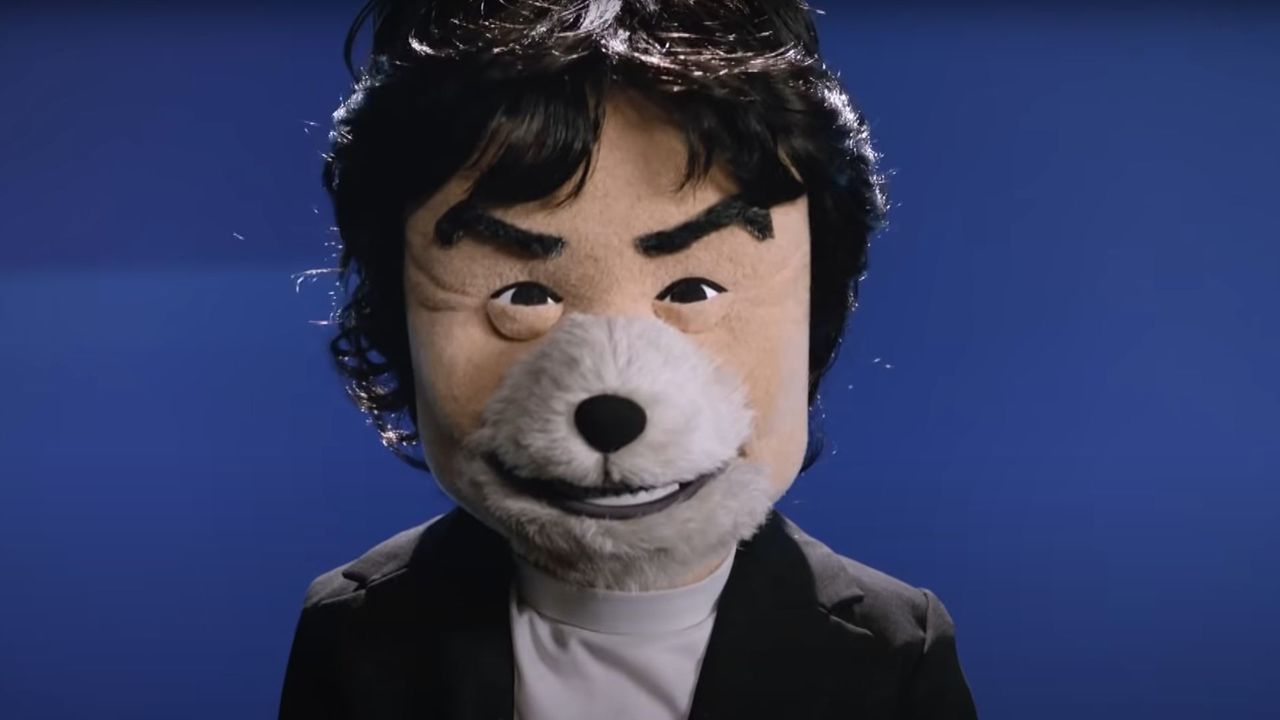
The magic behind a video game empire isn’t just about hitting sales targets; it’s about something far more elusive: genuine creative vision. Shigeru Miyamoto, the legendary creator of Mario and Donkey Kong, suggests that the games which truly resonate across the globe are not necessarily those chased by the hottest market trends or the highest profits.
When asked why Nintendo’s games possess such massive international appeal, Miyamoto offered a perspective that goes beyond simple marketing. He recalled being repeatedly asked how the seemingly unassuming “mustachioed middle-aged guy” became a universal icon. While he admitted he wondered the same thing, the answer might lie in the fundamental design itself.
Miyamoto points out that iconic characters tend to succeed not because they are space marines or superpowered animals, but because they embody simple, relatable concepts—like the plumber hired to fix a leaky faucet. This focus on fundamental ideas over flashy trends is key to creating something enduring and universal.
This approach extends beyond character design into the entire development process. When Nintendo conceives of new ideas, Miyamoto emphasizes that developers should start with foundational concepts rather than immediately looking at current market demands. If a game manages to be truly unique, its impact on people will follow naturally.
Miyamoto also voiced strong skepticism toward prioritizing short-term financial metrics. He expressed distaste for business terms like recouping costs or depreciation when they overshadow true creative achievement. He argued that chasing immediate profits often leads developers down a path that sacrifices uniqueness and broad appeal.
“The people funding these projects are doing it to make a fortune, so why celebrate things like ‘we recouped our investment’ or short-term profits?” Miyamoto asked. “If you have burned through the talents of so many people just to achieve that, I find it feels like a massive failure.”
For those seeking to innovate, Miyamoto offers powerful advice: turn your creative impulse into undeniable ownership. He stresses that when developers infuse their personal experiences and unique vision into a project, the resulting work gains an authenticity that connects deeply with players.
This philosophy explains much of Nintendo’s history. By incorporating his own life experiences and fundamental design instincts into projects, Miyamoto and his team managed to bring forth classics like The Legend of Zelda and Pikmin. True lasting success seems to be found where artistic integrity meets commercial aspiration.
Buy on Amazon
Credit