
Miyamoto’s eternal rival the Rubik’s Cube
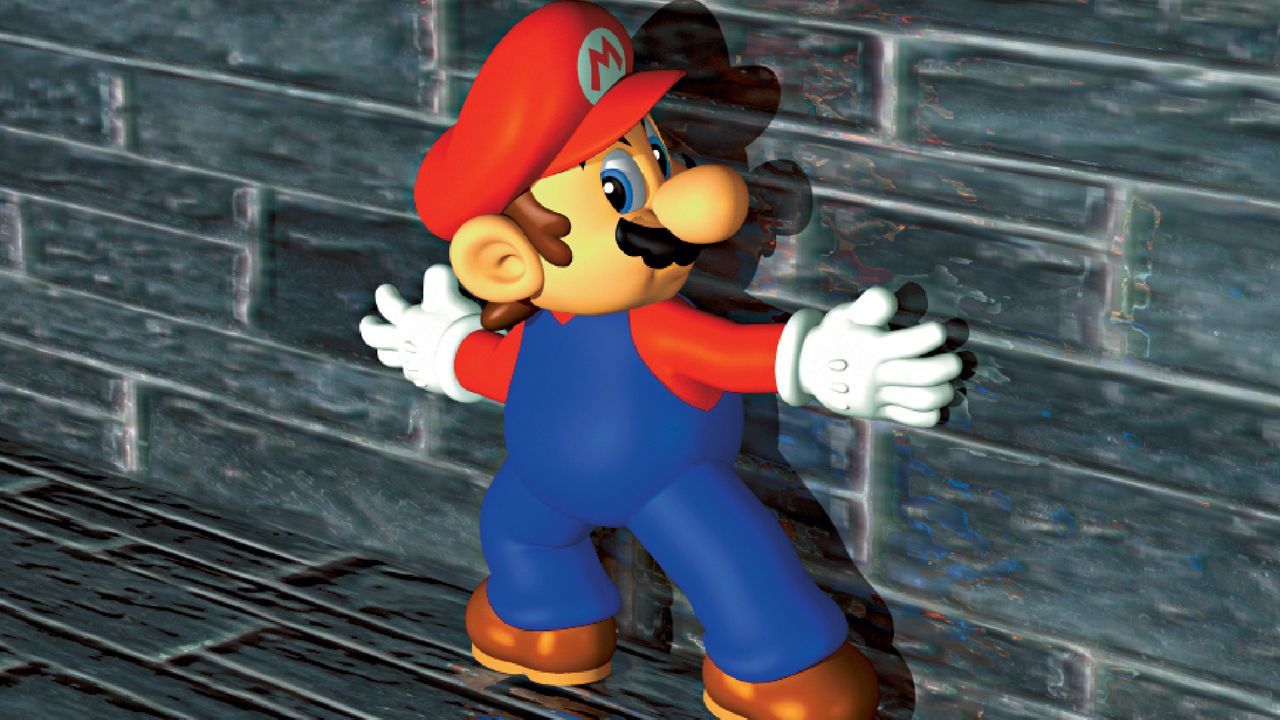
When discussing the titans of video game history, Shigeru Miyamoto often stands out as the most influential figure. Yet, rather than dwelling on his rankings among other legends, his true focus lies in a philosophy that often puts the mainstream industry to shame. In the 1990s, while others were incrementally pushing existing genres forward, Miyamoto found his greatest challenge not in competing with contemporaries, but in challenging the very definition of what a game could be.
His eternal rival, he admitted, isn’t another game developer; it’s the simple, elegant puzzle of the Rubik’s Cube. In a 1996 interview, Miyamoto explained that his fascination with the cube stems from a desire to create products that make people realize something profound: that video games possess a unique capacity to inspire wonder. He sought creations that demonstrated, “Wow, computer games can do that…?!” rather than simply following established formulas.
Decades later, Nintendo has cultivated a reputation for consistently navigating the waters of the gaming industry by sidestepping trends. This strategy was particularly evident in the competitive landscape of the ’90s. As the N64 battled the PlayStation and Saturn for dominance, Nintendo’s innovations, such as Super Mario 64 and the anticipation for Zelda: Ocarina of Time, established a distinctive path.
Miyamoto’s defining challenge throughout this era was to make products that surprised non-gamers. He recognized that simply making sequels was not enough. Instead, he aimed to capture new audiences every time, refusing to cater solely to the hardcore gaming base. This approach led to a fascinating internal dynamic at Nintendo. While the franchise titles continued to evolve, Miyamoto seemed more interested in nurturing oddball concepts like Pikmin and Wii Music, reflecting a preference for unique, experimental play.
This commitment to originality extended even to the form of gameplay. Miyamoto favored casual physics sandboxes and engaging concepts over chasing cutting-edge graphics, even in 1996. His vision was not about technical spectacle, but about crafting experiences that sparked imagination and demonstrated the limitless potential of digital play.
Buy on Amazon
Credit