Miyazaki on Elden Ring’s player romance motif
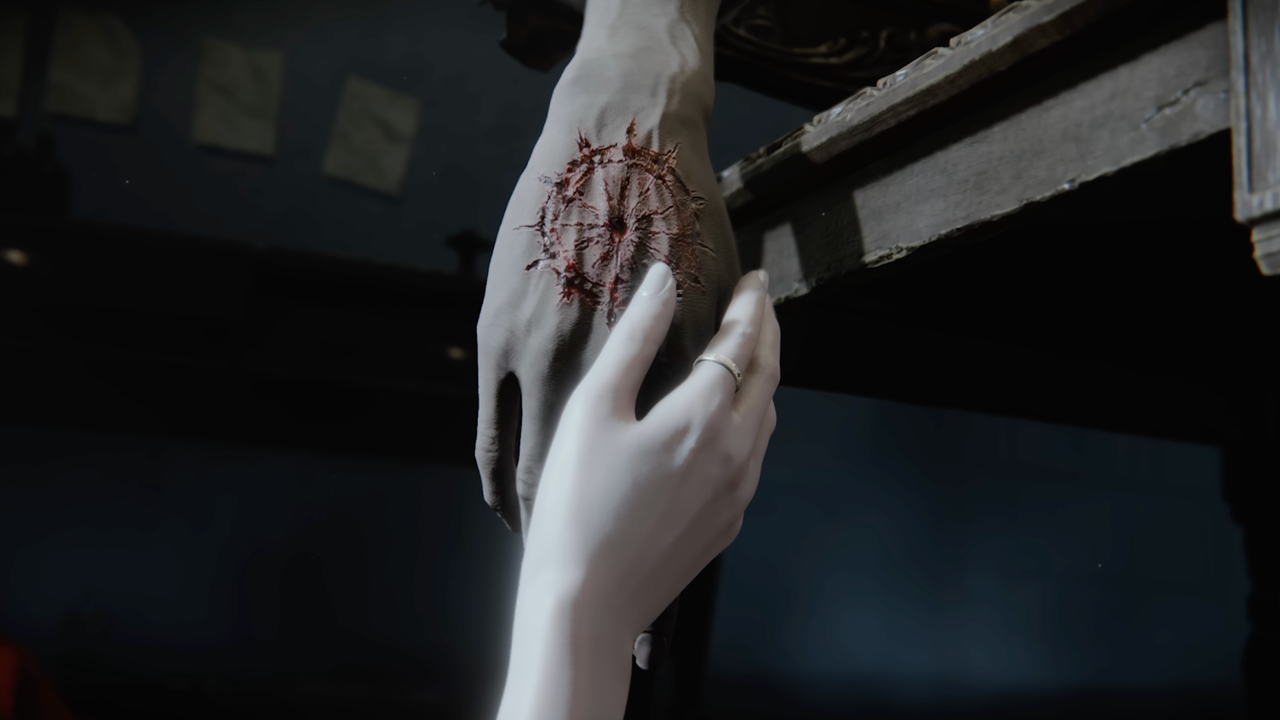
In the world of FromSoftware games, where survival often hinges on the swift, brutal application of violence, there is a growing, and perhaps wonderfully absurd, counterpoint: romance. The question isn’t just whether a player can survive the boss fight; it’s whether they can survive the emotional fallout of a player-to-player commitment.
Coming to the forefront in the upcoming multiplayer title The Duskbloods is a mechanic that many fans are already anticipating: the ability to form a genuine bond. The game pits up to eight players against the “Dusk of Humanity,” forcing them into intense blood-slashing competition. But what sets this experience apart is the introduction of the Love Ephemeral sigil, a mechanism that allows players to marry one another—to take hands, kneel, and emote devotion amid the chaos.
This seemingly gentle act of romance stands in stark contrast to the game’s violent backdrop. Yet, developers Hidetaka Miyazaki and the FromSoftware team approach this concept not as a conventional fairytale, but as a reflection of deeper psychological themes. Miyazaki has framed this dynamic less as a traditional romance and more as a representation of secure trust with a character in the world—a concept he personally yearns for.
This idea of ephemeral connection is not new within the FromSoftware catalog. Games like Dark Souls 3 allowed players to marry Anri of Astora, and Elden Ring offered an alliance with Ranni the Witch. These relationships, while physically bound by game mechanics, inherently grant a degree of influence over the world, encouraging players to pursue them as part of their journey.
However, the unique dynamic of The Duskbloods network test has introduced a friction point. When players attempt to perform the romantic gesture before or after engaging in intense PvP combat, the experience can become contentious. Network testers noted that players found themselves actively being killed while trying to propose a speech, highlighting the inherent tension between the desire for love and the competitive nature of the game.
Ultimately, the marriage mechanic introduces a fascinating counterweight to the bloodshed. Love and pain, in this context, become intertwined. While the game provides the tools for emotional connection, the reality remains rooted in risk. The developer suggests that the goal is not simply to facilitate a gesture, but to explore the nature of reliable connection. Whether players embrace this risk and allow their bonds to be tested by the very chaos they create, or retreat from the emotional entanglement, remains the deciding factor in the fate of the ephemeral alliance.
Buy on Amazon
Credit