Miyazaki’s weird executive enemies
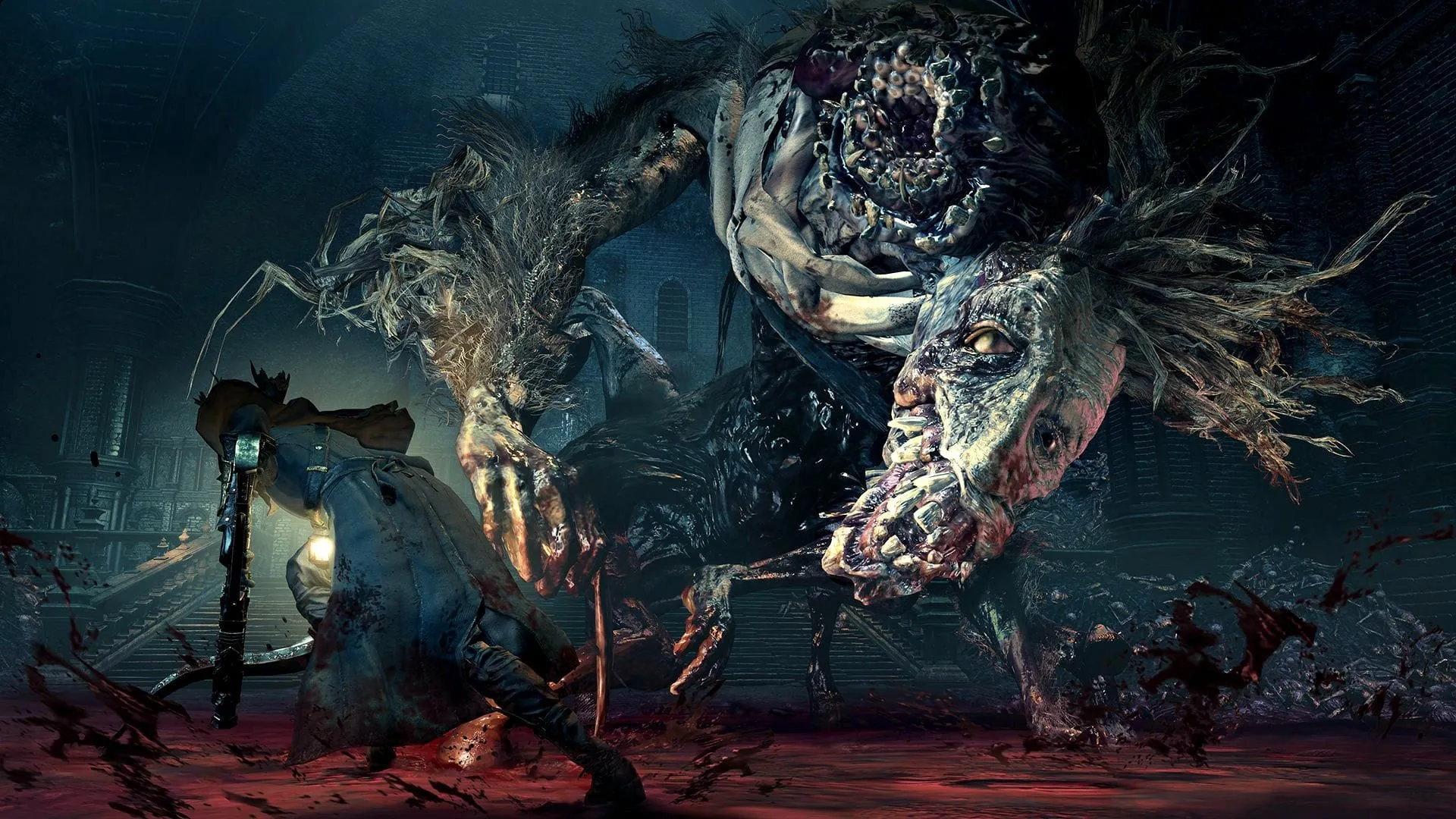
The world of video games often exists in a realm of high fantasy, but sometimes the most compelling narratives are found in the unexpected intersections of reality and fiction. For Hidetaka Miyazaki, the boundary between these two worlds has always been fluid, leading to a fascinating, if slightly surreal, source of inspiration for his legendary creations.
Miyazaki’s journey in game development was marked by significant shifts, particularly after he was promoted to president of FromSoftware in 2014, a period that coincided with the launch of the critically acclaimed Bloodborne. This new leadership role opened up doors to experiences far beyond the familiar gaming landscape. As he reflected on this time, Miyazaki noted that moving into an executive position allowed him to encounter new perspectives, which proved to be a potent wellspring for his artistic vision.
He recalled that meeting with other company leaders provided an unexpected dose of inspiration. Among these encounters, the personalities of various executives became infused with the character and weight of the foes Miyazaki designed for his games. In a moment of playful reflection, he admitted that he occasionally drew upon these real-world figures to inform his monster designs, jokingly suggesting that certain executives could translate into terrifying game entities.
This unique blending of the corporate and the monstrous is not merely a passing joke, but touches upon a deeper exploration of human nature. While the connection between business leaders and demons might seem outlandish, the underlying concept speaks to the human capacity for empathy—the ability to connect with complex, often tragic, inner lives.
Miyazaki has consistently pushed beyond simple aesthetic beauty in his work. When discussing the design philosophy behind iconic figures, such as the Undead Dragon in Dark Souls, he emphasized that the goal is not just outward charm, but conveying a profound, internal sorrow. He seeks to depict something beautiful, even when that beauty is rooted in tragedy or ruin, allowing the player to empathize on a much deeper level.
This focus on deep emotional resonance is perhaps the most astonishing element of the FromSoftware experience. The enduring success of the franchise lies in its ability to make players connect with narratives that transcend the screen. It is a testament to the power of storytelling to bridge the gap between the digital and the human, offering profound reflections on leadership, sorrow, and the nature of existence, long after the initial fantasy has faded.
Buy on Amazon
Credit