MMORPGs Built and Lost the Live Service Throne
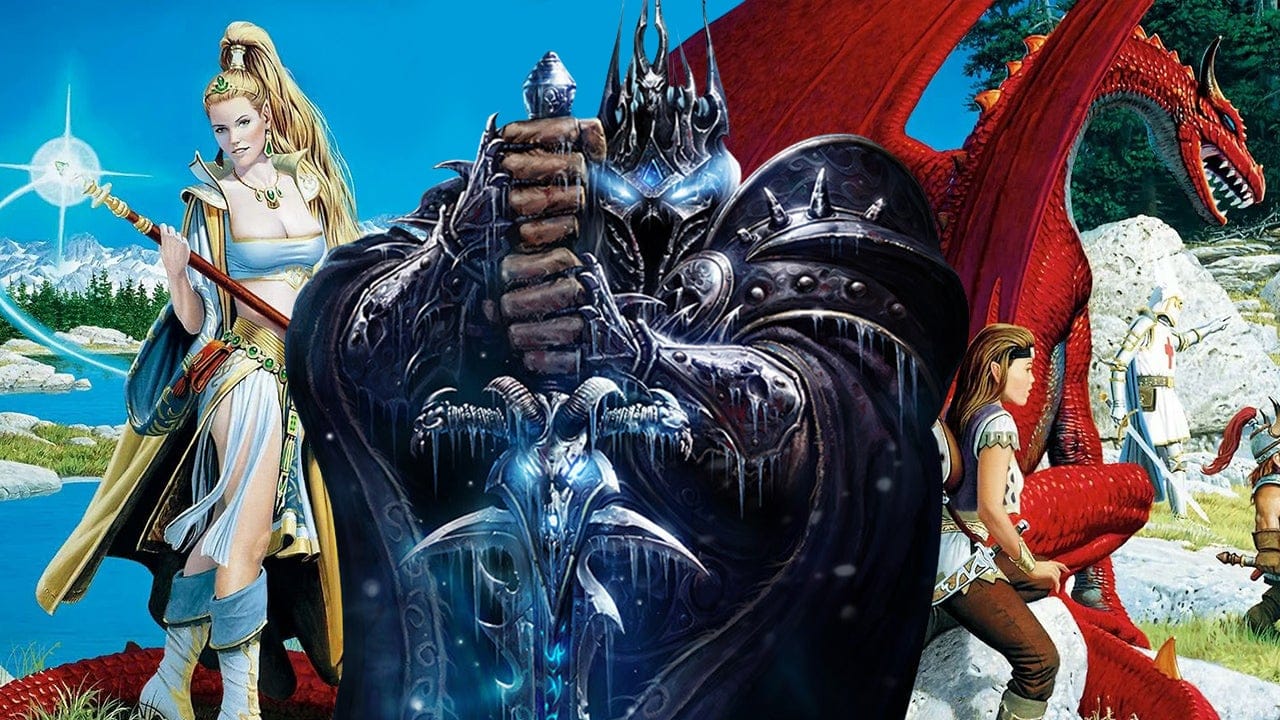
Remember the days when a single game could host millions of players questing and raiding together? In the early 2000s, giants like World of Warcraft, RuneScape, and EverQuest defined the landscape of cyberspace. Today, while Roblox boasts a staggering 123 million daily players, the immersive, persistent world of the Massively Multiplayer Online Role-Playing Game (MMORPG) feels like a relic of a bygone era.
But the story of multiplayer gaming isn’t over. New titles like Aion 2 are finding their footing, and long-awaited sequels like Guild Wars 3 are on the horizon. Yet, the dominant trend in gaming has shifted. The rise of the live-service model has taken the spotlight, often overshadowing the genre that originally forged it.
MMORPGs were the original pioneers of this model. They were the first games to operate as continually evolving digital worlds, built to allow players to act out vast, shared fantasies. Unlike modern live-service titles that often focus on quick, trigger-happy play, MMORPGs focused on building a community. They replicated entire worlds—cities, countries, and sprawling landscapes—creating an innate communal core where players weren’t just competing, they were living together.
This distinction is key. When you look at games like World of Warcraft, the community connection is deep. Players don’t just hang out on a subreddit; they plan raids, form lasting bonds, and share shared histories within a digital reality. This communal depth contrasted sharply with the modern trend of short play cycles, exemplified by battle royale games like Apex Legends or competitive shooters where the goal is a quick victory. The shift moved the focus from an immersive hub to a quick-session battlefield.
The roots of this communal approach trace back to early virtual worlds like Ultima Online. It was here that the concept of a virtual world evolving independently of the players was born. Pioneers realized that the most successful games weren’t just about mechanics; they were about world-building that made people feel ownership.
This philosophy of world creation and player agency continues to define the genre. Developers learned that success hinged on building a world with integrity that invited players to take ownership. This led to an emphasis on constant communication, not just with the player base, but with each other. The legacy of these early MMOs, along with the enduring success of titans like EverQuest and World of Warcraft, proves that persistent, evolving worlds can still captivate massive audiences.
The challenge for modern developers is balancing innovation with the foundational principles of community. While the industry demands constant evolution and massive financial investment, the enduring power of the MMORPG lies in its ability to create a genuine, living digital reality—a place where people don’t just play a game, but build a home.
Buy on Amazon
Credit
