More choice why PC gaming beats consoles
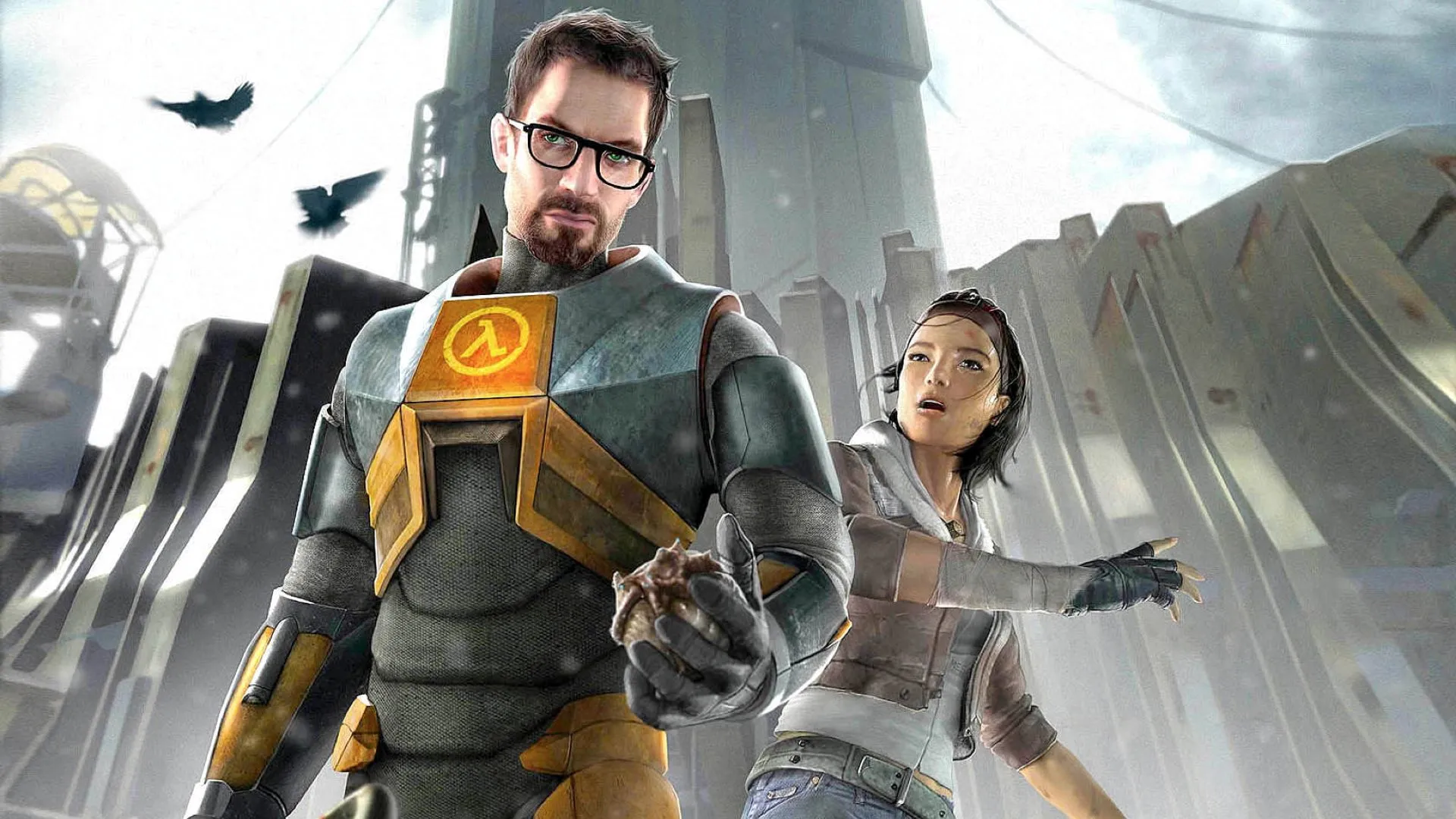
While consoles remain popular, the true engine of the current gaming revolution is undeniably the personal computer. It’s ironic that it has been easier to recommend PC gaming than it has been to build a machine capable of running it, yet the PC platform is driving significant annual growth in the industry. So, what gives the desktop gaming world such a powerful edge?
The advantages of the PC platform go far beyond raw performance. Gamers benefit from a rich ecosystem anchored by Steam, a central storefront offering robust features. This access translates into greater flexibility: more input options, superior mod support, and an unlimited ceiling for graphical fidelity. Furthermore, a PC is not just a gaming device; it’s a versatile tool for streaming, content creation, and far more.
The dynamic shifts significantly when you look at the business models. On PC, a large portion of revenue comes from microtransactions, fueled by the popularity of free-to-play games and everlasting live services. In contrast, the console market tends to rely more heavily on premium purchases. However, even consoles are evolving; behemoths like Call of Duty offer recurring revenue through expansive franchises, treating the experience as a continuous service.
This difference in structure creates a crucial divergence in content. PC gaming consistently surfaces more newcomers and indie titles, even when the top charts are dominated by massive franchises like Minecraft or Fortnite. This is partly due to the sheer freedom and choice the platform affords.
For indie developers, the PC pathway is a game-changer. It offers a streamlined release process—launching on Steam first—providing publishers with a vital alternative to the console gatekeepers. This choice inherently reduces the concentration of power, allowing for greater diversity and experimentation in the games released to the public.
This platform advantage extends to major titles too. For example, a game like Big Walk found greater traction and profitability on PC than on the PlayStation 5, simply because the platform offered more reach.
Looking at the broader market forecast, PC gaming is riding a powerful wave of momentum, significantly outpacing console growth. While consoles face challenges in pricing and finding success in certain international markets, PC’s growth trajectory remains robust. This momentum is further bolstered by the fact that the barrier to entry for PC gaming—owning a computer—is already established for many users.
Even as the industry grapples with new challenges, such as the costs associated with AI data centers, the PC ecosystem continues to grow. The current trend suggests that while consoles may have a ceiling, the PC platform continues to expand, offering players an unparalleled degree of choice and freedom in how they engage with the world of gaming.
Buy on Amazon
Credit