Mortal Kombat’s Bizarre Adaptation History
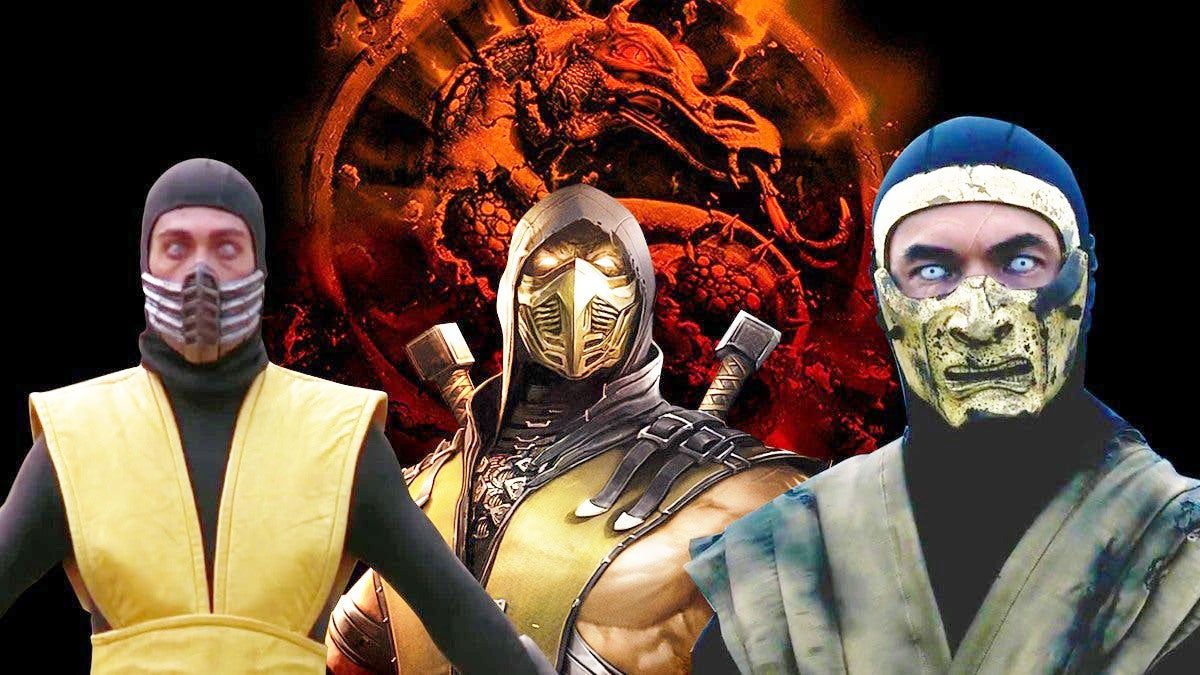
It feels like we are living in a cinematic renaissance, especially when the fighting game world delivers spectacle on screen. With new entries like Mortal Kombat II hitting theaters, and massive franchise explorations like the anticipated Resident Evil reboot brewing, the appetite for high-octane action is undeniable.
But before we jump to the future, it’s worth taking a moment to reflect on the often chaotic and colorful history of Mortal Kombat adaptations. The journey from pixelated fighting arenas to the big screen has been less a smooth cinematic path and more a rollercoaster filled with ambition, artistic missteps, and undeniable camp.
The original 1995 film is widely celebrated as one of the best video game adaptations ever made. It managed to capture the essential zaniness and gratuitous violence of the source material while establishing Liu Kang as the destined hero battling Shang Tsung. While some purists might argue it softened the intensity for a more PG-13 sensibility, it remains a solid foundation for the franchise’s cinematic legacy.
The attempts to translate this mythology into other formats often yielded mixed results. Direct-to-video releases like Mortal Kombat: The Journey Begins attempted to flesh out the origin stories, yet often struggled with narrative cohesion. Similarly, sequels like Mortal Kombat: Annihilation introduced familiar characters and elements but failed to string a coherent story together, plagued by underwhelming fight scenes and inconsistent logic.


Even attempts at television translation saw their share of challenges. The short-lived series Mortal Kombat: Defenders of the Realm aimed to simplify the complex lore but ultimately offered a watered-down version of the MK mythos. Despite these historical hiccups, efforts like Mortal Kombat: Conquest offered a more promising prequel concept, though it too wrestled with inconsistent special effects.


The franchise entered a quiet period in the 2000s before filmmakers decided to reignite the spark. This revival came via an unauthorized short film, Mortal Kombat: Rebirth. Directed by Kevin Tancharoen, this low-budget venture surprisingly managed to recast the dynamics, focusing on Scorpion and his quest for revenge against Sub-Zero rather than traditional heroism.

This experimental work paved the way for a more sanctioned reboot. The subsequent live-action web series, Mortal Kombat: Legacy, brought back key actors and expanded the lore through an episodic approach that allowed for deeper character development. Though some critics noted tonal inconsistencies across the seasons, it proved to be a robust vehicle for exploring the MK mythology.

Most recently, the franchise returned to the theatrical realm with a complete reboot in 2021, focusing on grounding the action while retaining the iconic fatalities. This fresh start set the stage perfectly for the latest installment, Mortal Kombat II, which successfully balances high-stakes action with the franchise’s inherent over-the-top flair. It proves that while adapting a beloved universe is tricky business, giving it room to be loud, gruesome, and fun is the ultimate winning strategy.
Buy on Amazon
Credit