MW4 footage removed of real Seoul crush
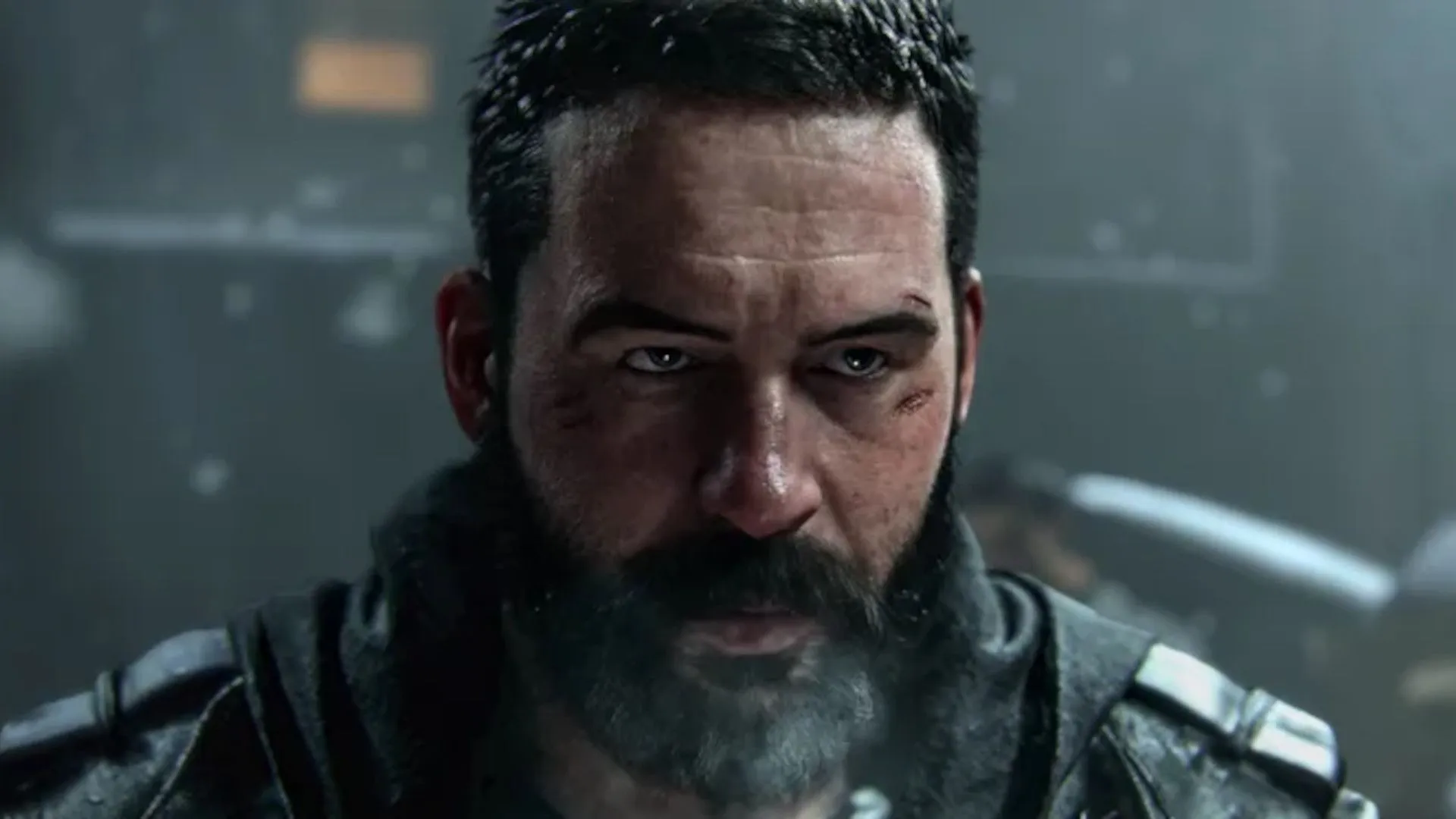
The intersection of real-world tragedy and entertainment often sparks intense debate. This dynamic was starkly illustrated when the video game world faced scrutiny over its use of footage related to one of South Korea’s most devastating disasters.
In October 2022, the Itaewon neighborhood of Seoul experienced a horrific crowd crush during Halloween festivities. The event resulted in a devastating toll, claiming 160 lives and leaving 196 others injured, marking one of the deadliest disasters in the nation’s history.
Four years later, the controversy resurfaced within the gaming sphere. Call of Duty: Modern Warfare 4 featured a segment that included footage of rescue efforts following the tragedy, depicting citizens performing CPR, handling bodybags, and moving victims on stretchers, presented as part of an in-universe news report.
The inclusion of this raw, desperate scene ignited immediate outrage among the bereaved families. They felt appalled that such chaotic and painful moments were repurposed for entertainment. They argued that using such an event to create a game was inherently inappropriate and senseless, demanding that the developers show empathy and take immediate corrective action.
In response to the outcry, Activision confirmed the footage was used merely to establish the game’s fictional narrative, insisting it was not intended to reference or trivialize the Itaewon disaster or any other real-world tragedy. The company offered condolences to the victims and families and confirmed that the footage would be removed from the game.
This incident highlights an ongoing tension for game developers who choose to reference real-life events. Activision and Infinity Ward have faced similar scrutiny in the past, particularly concerning their games’ use of real-world historical events and conflicts. For instance, a previous Call of Duty reboot faced accusations of attempting to rewrite history concerning the 1991 Highway of Death.
While the families welcomed the decision to remove the material, they also noted that the publisher had not offered a direct apology, underscoring the gap between corporate reassurance and personal accountability. Ultimately, the situation serves as a powerful reminder of the ethical responsibility that comes with using real-life suffering as a backdrop for fictional storytelling.
Buy on Amazon
Credit