Navi’s visual dilemma: Cute girl vs N64 reality
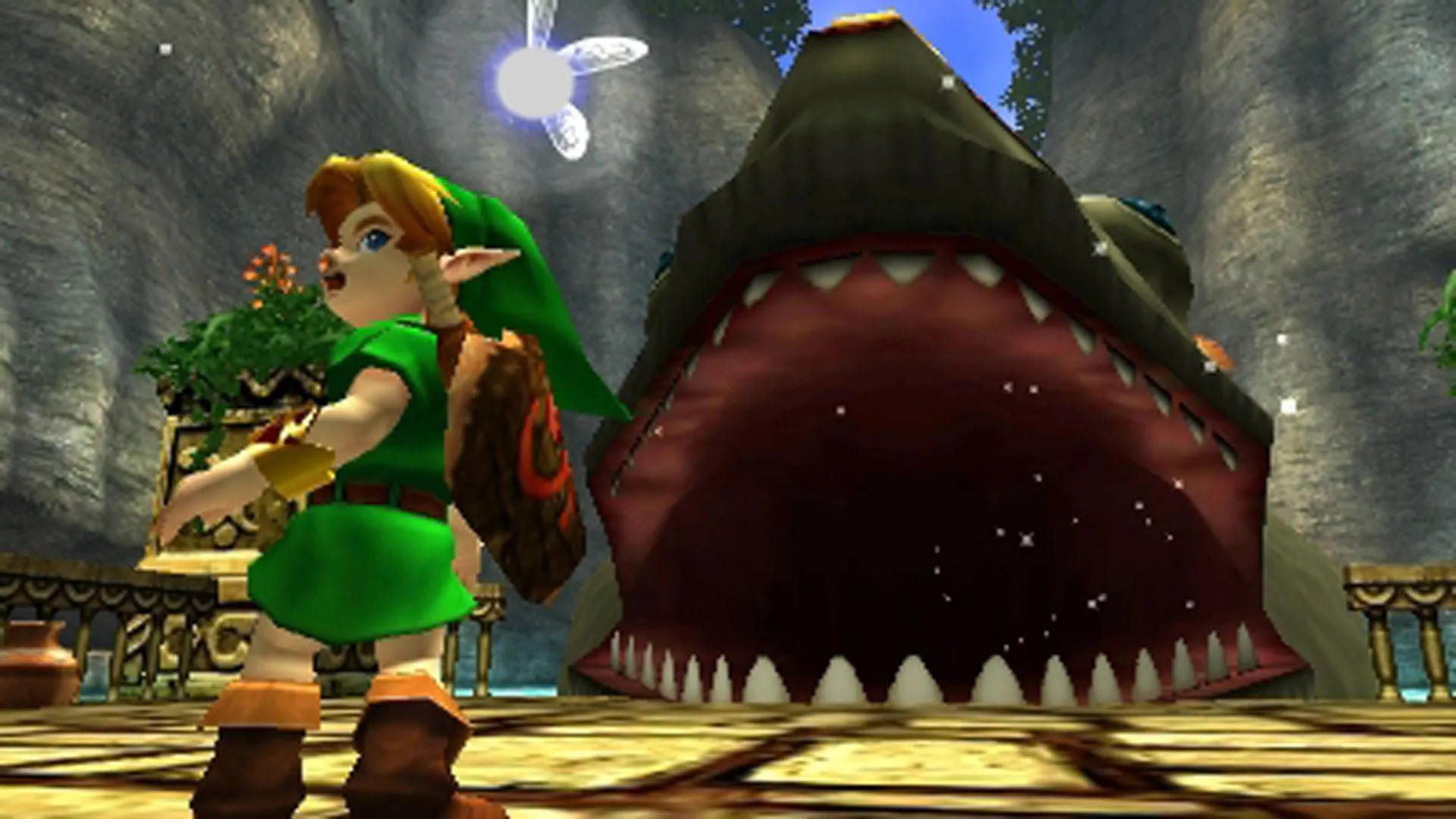
Few companions in video game history possess the instantly recognizable charm and persistent presence of Navi from The Legend of Zelda: Ocarina of Time. Yet, behind the familiar, nagging pleas to “hey, listen” lies a fascinating piece of design history, revealing how technical limitations shaped one of gaming’s most iconic figures.
The original concept for the ethereal fairy was far more nuanced than the glowing orb we know and love today. Nintendo veteran and Ocarina of Time designer Yoshiaki Koizumi has revealed that the initial vision for Navi was strikingly different.
Koizumi explains that the shape of the fairy was not a matter of choice, but a direct result of the hardware constraints of the time. When designing for the Nintendo 64, creating a highly detailed, human-like figure—complete with complex animations and AI—was simply not feasible within the system’s capabilities.
“Usually, if you were to make a fairy, you would make a cute girl, but that wasn’t possible with the Nintendo 64 system, so I just made a ball of light with wings,” Koizumi notes. The necessity of simplicity dictated the design, leading to the whimsical, yet simple, spherical form.
This approach also served a practical purpose. Navi wasn’t just decorative; she was integral to the game’s mechanics. Koizumi designed Navi to serve as the Z-targeting system’s cursor, moving beyond a traditional on-screen marker. He sought something unique, rather than a generic pointer.
“I was a designer, so I didn’t want to use such a simple marker,” he explains. Instead, he aimed to create a distinct entity that felt appropriate for the world of The Legend of Zelda.
While it is tempting to imagine a more realistic female presence for the remake, pre-release footage confirms that Navi remains the same iridescent sphere, albeit with fewer edges. This testament to early design genius reminds us that sometimes, the most effective aesthetic choices are born out of necessity and clever adaptation, proving that even technical limitations can inspire the most enduring legends.
Buy on Amazon
Credit