NBA 2K27 Gameplay First Impressions
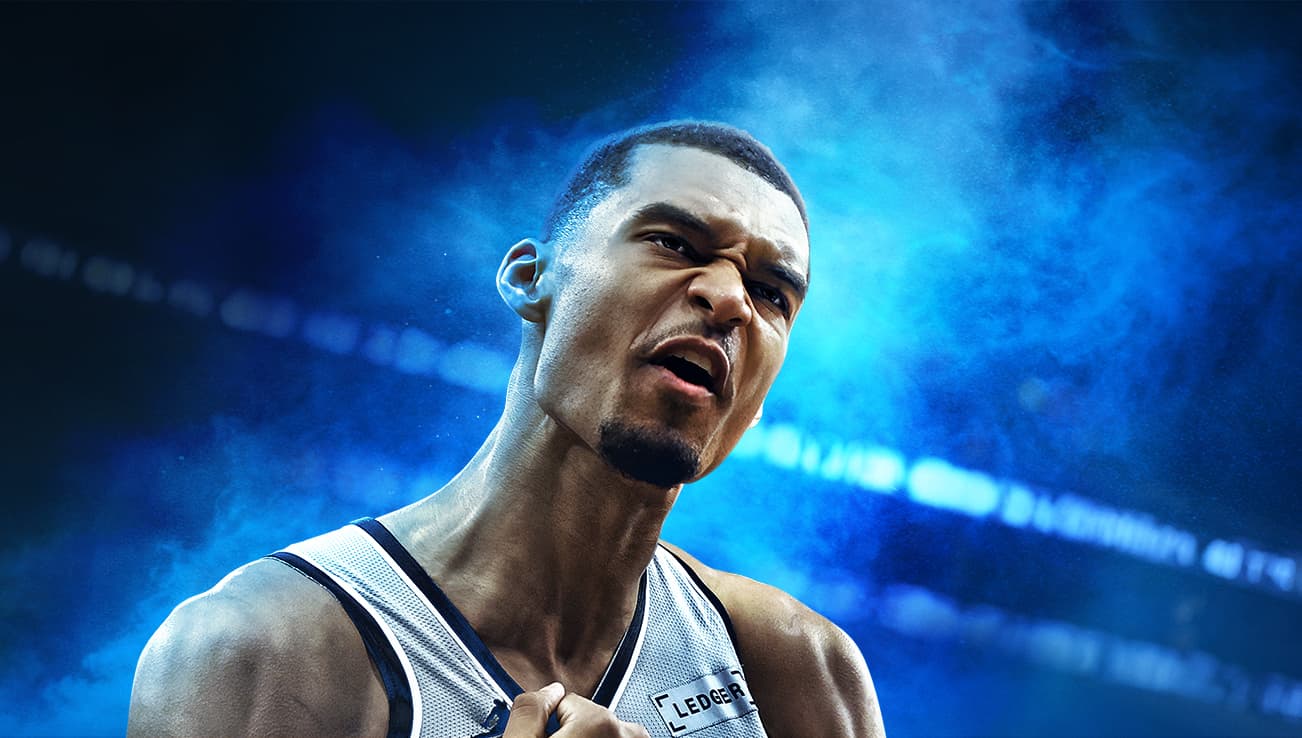
Every year, the anticipation for the NBA 2K series builds on a fragile sense of hope, promising improvements that might finally push the gameplay into new territory. While last year delivered a reward, the experience in NBA 2K27 has offered a mixed outcome. While the on-court mechanics feel significantly smoother, some new features seem to act less like enhancements and more like spotlights on long-standing frustrations, turning what should be an exciting session into a test of patience.
The good news is certainly reflected in the feel of the game. The defensive movements have been noticeably improved, making the entire experience feel more fluid and responsive. Offense has also introduced new tricks, notably in Rhythm Shooting. This feature is less forgiving than previous versions, requiring players to actually hit the green portion of the shot meter to successfully execute jumpers. While I personally stick to the classic hold-and-release method, the shift emphasizes a more nuanced understanding of timing on the court.
Perhaps the most interesting update is the evolution of defense. If 2K26 felt like the performance of a benchwarmer, 2K27 feels like the Most Improved Player. The new logic-based Dunk Meter further enhances this realism by factoring in the defender’s positioning. This change means that a well-timed contest from a towering player like Victor Wembanyama can easily alter the outcome of a shot at the rim, adding a much-needed layer of realism to the physical contest.
However, the added features, particularly within the MyCareer mode, introduce a different kind of friction. The narrative, titled Fire and Concrete, spans eleven chapters, but some crucial plot points are rushed through in brief animated vignettes rather than unfolding in motion-captured cutscenes, making the protagonist’s initial journey feel underdeveloped. Furthermore, the player character himself has struggled to gain personality, often feeling overshadowed by supporting characters.
The biggest source of frustration lies with the MyCareer Eras mode, designed to let players experience different NBA timelines. While the idea of creating custom characters for different historical periods is intriguing, the execution places an unreasonable burden on the player. To truly compete across the eras, players must either grind for countless matches or spend money to boost their custom characters. Compounding this issue, once a save file is started in the story mode, the player is locked into the Modern Era, making it impossible to switch between time periods without creating entirely separate characters.
Ultimately, while the fundamental gameplay has been polished and improved, the emphasis on microtransactions within these new modes has become glaringly obvious. The balance between compelling story and functional gameplay remains the main hurdle for the NBA 2K series. Despite these sticking points, there is still plenty of exciting content ahead, including the new MyNBA Legacy mode, which promises a throwback experience that fans are eagerly awaiting.
Buy on Amazon
Credit