Nikki Skin Sparks Horror Fan Boycott Debate
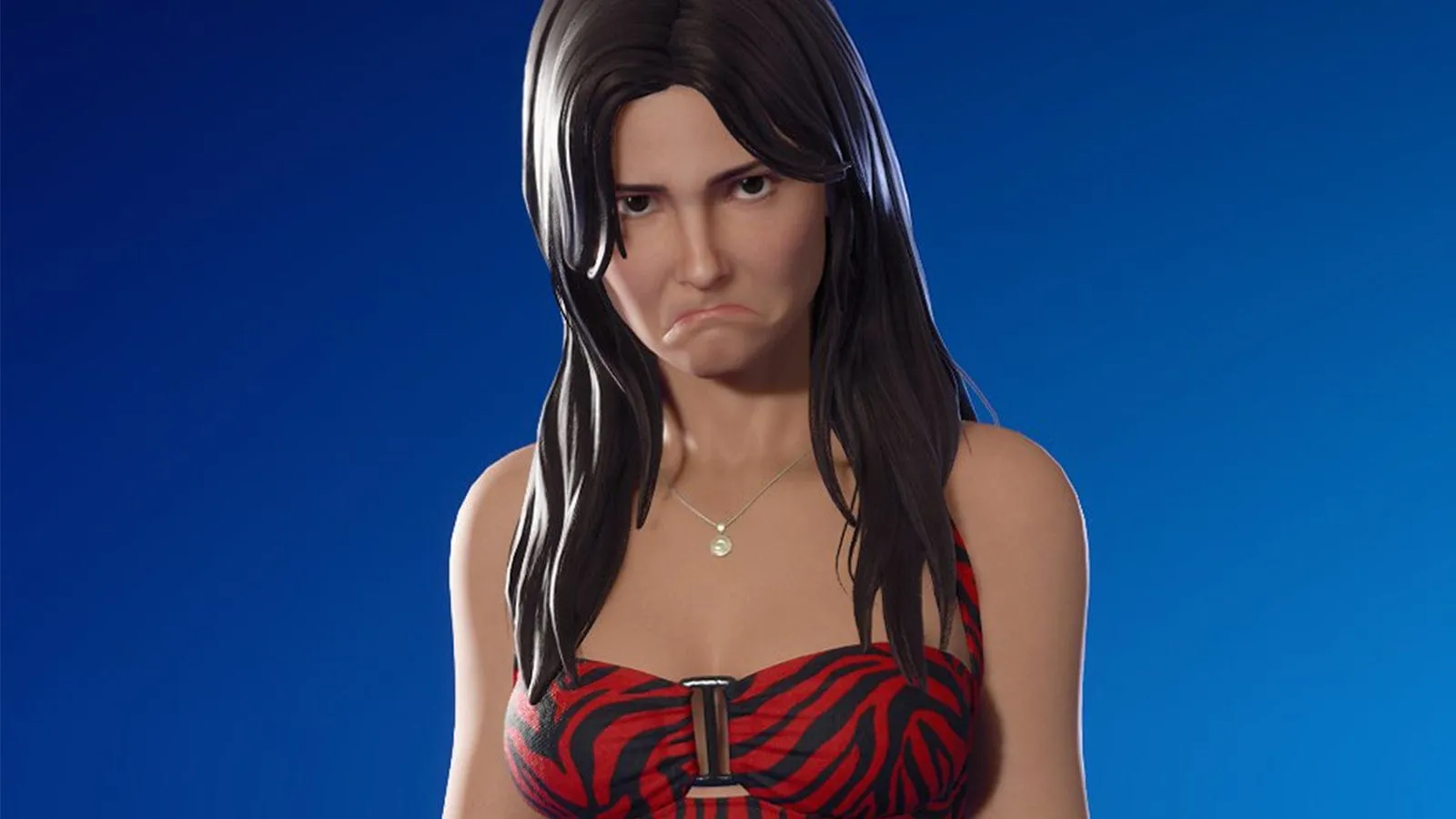
The Price of Play: When Fictional Tragedy Becomes a Battle Royale Skin
In the vibrant, chaotic world of video games, the pursuit of digital notoriety often bumps up against the heavy realities of real-world sensitivity. This collision was recently played out in the massive multiplayer arena of Fortnite, where the release of a new skin featuring Nikki Freeman, a character from the film Obsession, sparked a fierce debate among players and fans alike.
The controversy ignited when Epic Games announced the character’s inclusion in a special collaborative video with actress Inde Navarrette. While Nikki Freeman remains a beloved figure for many, her inclusion as a purchasable skin in a battle royale game drew immediate, intense scrutiny. The reaction quickly escalated beyond simple fan preference, diving into complex discussions about how fictional narratives, especially those dealing with trauma, are handled in mass entertainment.
The uncomfortable reaction stemmed directly from the context of the source material. In the movie Obsession, Nikki’s story involves horrific events, including her victimization. The public backlash focused on the seeming trivialization of this tragic narrative by transforming the character into a cosmetic item.
Critics argued that using a character who has experienced loss of control and psychological torment for entertainment purposes felt exploitative. Some players felt that making a victim of rape a playable character, complete with associated emotes and visual references, crossed a line, overshadowing the serious themes of the film.
“Wanting your rape victim character in a game as a fun element (ironically Nikki suffers from has no control on her body and mind in movie) is a fking choice” one user commented on social media, expressing their disgust at the perceived commodification of the character’s suffering.
This sentiment reflected a broader concern: whether mainstream media and gaming platforms are ethically justified in leveraging dark, sensitive narratives for profit and spectacle. The debate quickly became philosophical, pitting the desire for creative freedom against the responsibility of representation.
However, the conversation wasn’t monolithic. A segment of the player base defended the artistic choice, arguing that a fictional character is separate from reality. They contended that focusing on the story, rather than the character’s personal history, allows for broader artistic expression. They insisted that integrating Nikki into the game did not diminish the narrative’s gravity.
Furthermore, some observers pointed out that this discourse is not new. Nikki’s presence in other popular events, such as Universal Studios’ Halloween Horror Nights, has already generated similar ethical discussions about the boundaries of fictional representation.
The divide between those who view the character through a lens of social accountability and those who see it as mere entertainment highlights a persistent tension in modern media: the delicate balance between creative expression and respect for lived experience. As the gaming world continues to evolve, the conversation surrounding what we choose to celebrate, and what we choose to exploit, will undoubtedly grow louder.
Buy on Amazon
Credit