Nintendo patent found for Switch 2 and OG Switch dock
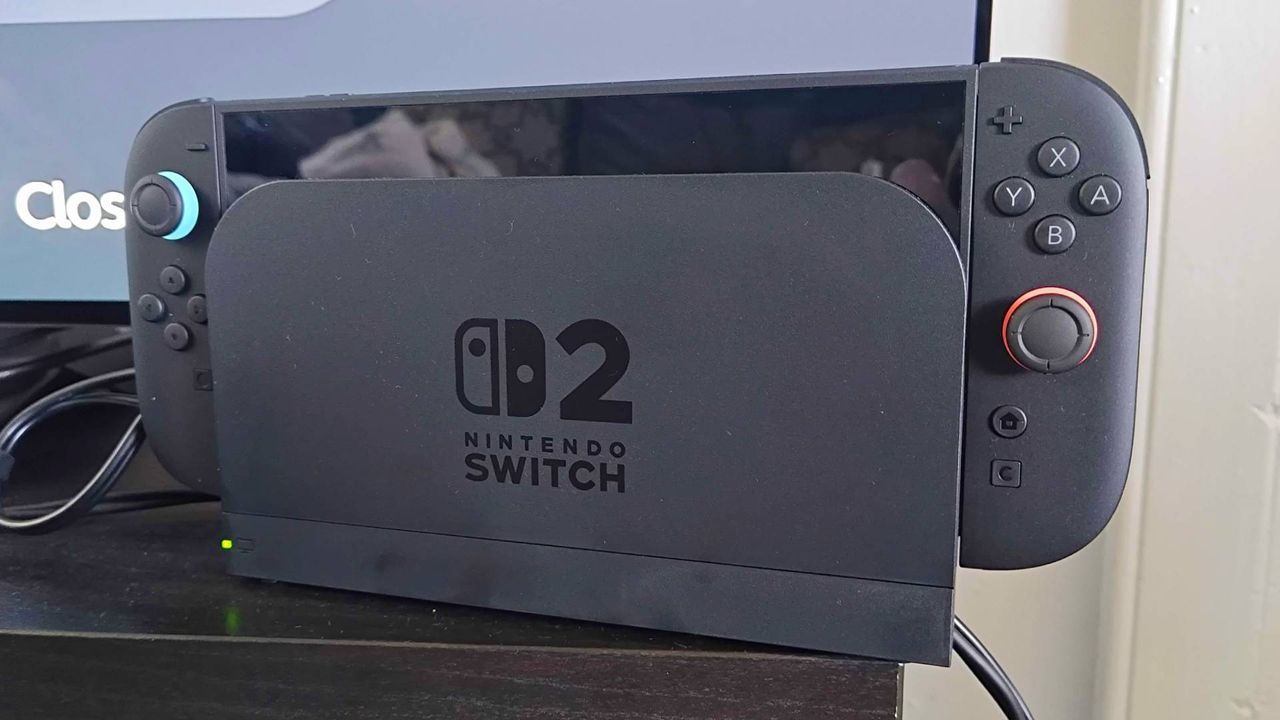
In the world of gaming hardware, innovation often moves faster than compatibility. While we marvel at new consoles and their incredible capabilities, the real frontier lies in seamlessly connecting the past with the present. This pursuit of perfect integration is exactly what some major players are exploring through their sprawling patent portfolios.
Take Nintendo, for instance. With hundreds upon thousands of hardware patents tucked away, they possess a wealth of intellectual property that shapes the future of handheld and console technology. One particularly intriguing discovery published in China addresses a long-standing desire: creating a universal docking solution.
This patent describes a dock design for the Nintendo Switch 2 that is engineered to also support the original Nintendo Switch. The real magic, however, isn’t just making two devices physically connect; it’s how smart the engineering is about power and form factor. Currently, while official accessories exist for each console generation, they operate in separate technological silos.
The incompatibility stems from fundamental differences: the newer Switch 2 dock operates with higher power delivery—up to 60W—and features demanding technology like USB 3 and 4K output. In contrast, the original Switch requires significantly less power, operating at only 18W.
The core challenge for any universal solution is bridging this gap. The patent suggests a breakthrough concept: a dock capable of recognizing which handheld it is connected to and automatically adjusting its functionality to accommodate the specific requirements of both consoles. This level of dynamic adaptability in hardware accessories has yet to be seen in the industry.
Beyond power negotiation, there are physical considerations. When comparing the two docking setups, one must also consider cooling. The Switch 2 dock is inherently more robust, featuring a higher fan RPM and beefier components designed for demanding performance. The patented design delves into the specifics of thermal management, illustrating how internal mechanisms can be cleverly configured to ensure efficient cooling for both devices simultaneously.
The illustrations detailed in the filing suggest that the system is designed so that the dock’s internal components—including fans—can intelligently manage air flow and heat dissipation for both the handheld and the docking station. This detail reveals a commitment to holistic hardware design, ensuring that future accessories aren’t just functional, but perfectly optimized.
While it remains an aspiration for most of these grand patents, the underlying principle is compelling: the pursuit of truly universal gaming experiences. It shifts the focus from creating discrete accessories to engineering adaptable systems, hinting at a future where hardware compatibility isn’t an afterthought, but an inherent part of the design.
Buy on Amazon
Credit