Nintendo refuses Switch fan rebate on tariff prices
In the ongoing saga of video game pricing and international trade, Nintendo is throwing its own legal request into the mix, seeking the dismissal of a class action lawsuit filed against it. This move comes in response to Nintendo’s separate litigation against the US government concerning allegedly unlawful tariffs.
The core disagreement revolves around whether consumers should receive refunds for prices paid on products that were impacted by these trade duties. The legal battle escalated when two individuals filed a class action suit, claiming that Nintendo had effectively recovered tariff payments twice: once through price hikes and again via federal tariff refunds, including interest.
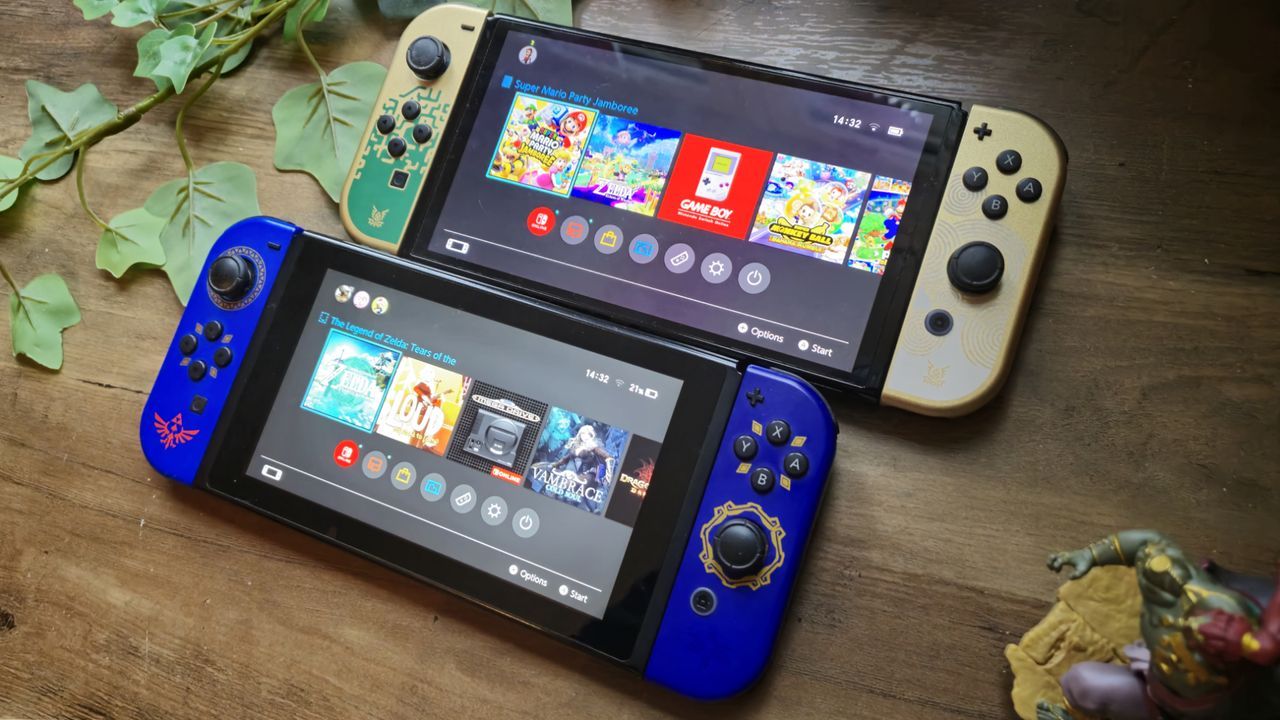
The specifics of the dispute centered on price increases seen in the US market over the last year, particularly affecting gaming accessories and the family of Nintendo consoles. For example, price hikes were noted for Switch 2 accessories occurring even before the console launched, as well as price adjustments to the Switch 1 family of consoles.
Nintendo’s defense argues that consumers willingly absorbed these increased prices. The company contends that customers received exactly what they bargained for when purchasing goods after the price hikes, asserting that intervening legal developments related to tariffs should not entitle them to a rebate. In their filings, Nintendo noted that the common thread in the claims was the belief that prices were unfairly inflated without retroactive adjustments.
Furthermore, Nintendo pushed back on the notion that they solely implemented price increases as a direct result of tariff payments. They pointed out that costs related to memory, labor, and shipping were also significant market conditions impacting the final retail cost. This complexity suggests that pinpointing the exact tariff impact on a single product price is far more complicated than a simple calculation.
The company maintained that consumers had the freedom to choose not to purchase products if they disagreed with the advertised prices, further arguing that those who initiated the lawsuit lacked grounds to seek restitution.
Rather than proceeding through the lengthy court process, Nintendo has asked for the matter to be resolved through private arbitration. This signals a desire to move past public litigation and address the pricing issues outside of the formal courtroom setting.
This legal maneuver occurs against a backdrop of wider industry price pressures. While Nintendo navigated its tariff disputes, competitors were also facing similar economic headwinds. For instance, other major players like Xbox and Sony had recently announced further console price increases due to global economic pressures, adding another layer to the complex reality of hardware pricing in today’s global market.
Credit