Nintendo shaped gaming: How DS and Wii normalized play
When a technological juggernaut stalls, the ensuing conversation isn’t just about sales figures—it’s about fundamental human behavior. For Nintendo, this realization came from the crucible of the GameCube’s underperformance, leading to one of the most fascinating strategic shifts in console history.
Nintendo executive Shigeru Miyamoto argued that the poor reception of the GameCube wasn’t just a market issue; it was a cultural one. He suggested that the failure of a console solely dedicated to video games reflected a deeper societal divide: gaming had not yet been normalized globally.
“Before we made the DS, there was the highly versatile, simple to use, easy for any developer to make games for, cheap to buy, Nintendo GameCube, but it didn’t get the reception we expected,” Miyamoto noted. He pointed out that while some consoles sold well based on niche appeal, others were purchased by people looking simply for entertainment, like watching DVDs.
The key realization, according to the leadership, was that the GameCube had primarily catered to an existing audience of gamers, whereas competitors like the PlayStation 2 and Xbox offered a broader appeal by incorporating familiar technologies like DVD players. This set the stage for Nintendo to ask a crucial question: how do you attract everyone?
Miyamoto suggested that if the goal was mass adoption, the approach needed to change entirely. “We weren’t just making a ‘video game console’; we were discussing how there was a time when Nintendo was a company that handled a wide variety of entertainment worldwide,” he explained.
The shift in philosophy became apparent in their design choices for the next generation. Instead of building complex controllers that demanded specific gamer skills, Nintendo opted to create tools for play that were intuitive and accessible to non-traditional players. This was about moving beyond hardware restriction into pure interaction.
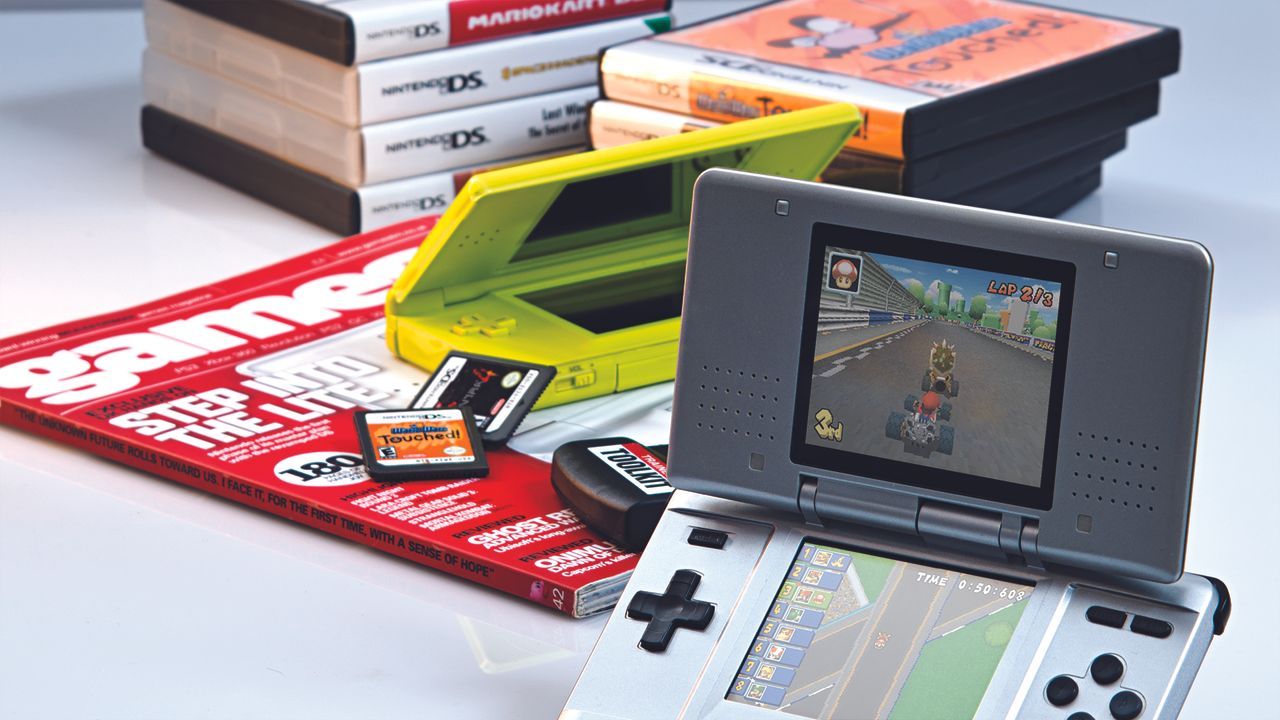
This approach manifested brilliantly with the DS and the Wii. For the Nintendo DS, taglines focused on universal participation, such as “everyone is at the starting line” and “play with just one pen.” For the Wii, the philosophy became even more physical: “Use your body to play.”
By embracing these unique input methods, Nintendo aimed to spread video game consoles not just as gaming devices, but as a new universal way to interact with entertainment. This focus on designing an interface as part of the experience proved to be a monumental step in integrating gaming into mainstream culture.
Buy on Amazon
Credit