Nintendo’s bizarre anti-brother romance failsafe stops Mario and Luigi
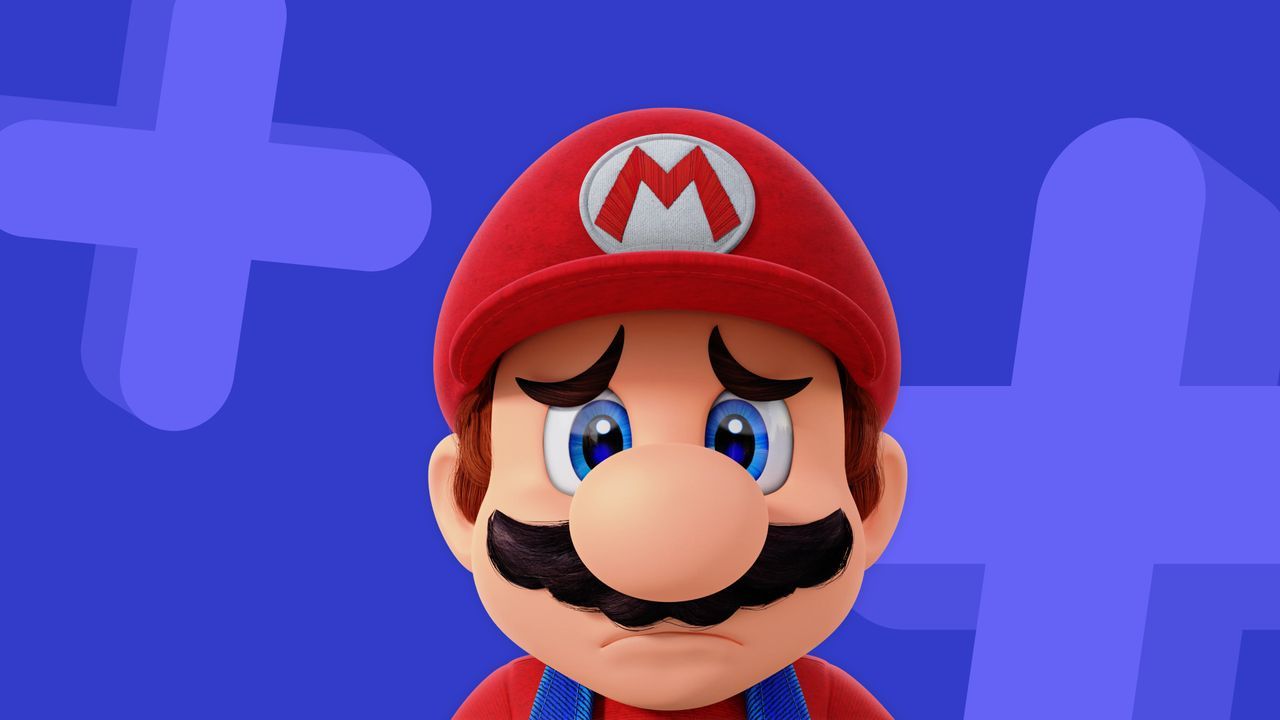
Nintendo’s Anti-Brother Romance Failsafe in NES Remix? A Look at Game Design and Loneliness
In the world of gaming, where developers strive to craft perfect experiences, sometimes the result is less about flawless mechanics and more about unexpected psychological drama. Recently, a discussion surfaced regarding the game NES Remix and its depiction of Mario and Luigi, prompting a curious look at whether Nintendo might have intentionally built in an “anti-brother romance failsafe.”
The conversation highlighted observations made by online commentators concerning specific graphic elements within the game. These discussions focused on how certain visual cues seemed to be deliberately altered, suggesting a preoccupation with managing player interactions and emotional connections within the game world.
One particular point of interest involved the iconic pink heart often seen in Nintendo games, which typically symbolizes affection. However, in the context of NES Remix, observations suggested that this graphic was treated differently when Mario and Luigi interacted with Pauline or other characters. This led to speculation among some players about Nintendo’s potential bias toward managing romantic or familial relationships between the brothers.
Further details emerged from digging into the game’s structure. Some analysis noted specific edits made to scene graphics, particularly surrounding the Donkey Kong sequence. While standard gameplay would allow for certain visual interactions, changes were observed that restricted the possibility of players triggering familiar affectionate gestures between Mario and Luigi.
For instance, one observation noted that the expected heart graphic did not appear in all scenarios, suggesting a deliberate filtering mechanism. When exploring the game’s remix stages, details emerged about how this visual shorthand was handled, indicating that the developers were actively managing the emotional landscape of their creations.
This kind of scrutiny often leads to fascinating insights into the creative process. Whether these adjustments were purely technical precautions against glitches or intentional narrative choices remains open to interpretation. Some theories suggested the modifications were a way to prevent the implication of romantic love between Mario and Luigi, while others saw it as an attempt to manage player expectations within a specific game context.
Ultimately, the question shifts from what the game shows us to what the developers might have been trying to hide. It sparks a humorous reflection on the intersection of game design, social commentary, and the often-complex relationship between players and their favorite characters.
Buy on Amazon
Credit