
No Disc No Buy: Comments Fuel PS Boycott for Phantom Blade Zero
The digital revolution has hit the console world, but for many gamers, it feels less like an upgrade and more like a dismantling. At the heart of this tension is Sony’s decision to phase out physical disc production for PlayStation games by 2028, a move that has ignited a fierce and vocal backlash from the community.
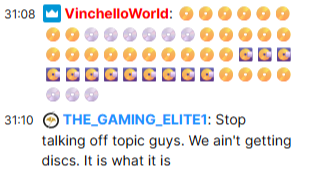
This shift has created a predictable, if frustrating, scenario. When Sony recently hosted its planned State of Play livestream for a title like Phantom Blade Zero, the inevitable chorus of protest drowned out any discussion about the game itself. The YouTube and Twitch chat were quickly flooded with comments like “no disc no buy,” illustrating how quickly the conversation shifted from game quality to corporate policy.
This reaction is not unique. Fans have long sought physical media, viewing it as a vital component of gaming ownership and preservation. Groups like the UK’s Digital Entertainment and Retail Association have sharply criticized the decision, labeling it a triumph of corporate convenience over consumer choice.
The outcry extended beyond social media. Backers of physical media took definitive action, calling for a coordinated effort to send a message to Sony. They advocated for a one-week #PSBlackout in August, urging players to disconnect from Sony platforms entirely to protest the change.
Behind the corporate pivot, the reasoning is rooted in economics. For Sony, the move is framed as aligning with consumer trends. Executives argue that going all-digital maximizes revenue, especially when considering the margins. For first-party games sold directly through the PlayStation Store, the company retains 100% of the revenue.
This digital model offers significantly higher margins compared to physical sales. For a first-party title like The Last of Us, Sony would only keep about 65% of the retail price, while the remaining funds are split between the retailer and manufacturing costs. In contrast, licensing third-party titles, such as Call of Duty, nets Sony a smaller percentage, around 15%.
While some companies manage to reverse controversial decisions under public pressure, analysts suggest that Sony is unlikely to backtrack on its strategy. The financial incentives strongly support the digital path, particularly as console sales face increasing cost pressures.
As a result, games like Phantom Blade Zero will likely remain caught in the crossfire, caught between artistic desires and corporate strategy. The debate highlights a fundamental divide: the desire for tangible ownership versus the efficiency of the digital economy, leaving the future of physical gaming unresolved.
Buy on Amazon
Credit